Strategic Planning for Renovation: From Concept to Completion
Renovating a home is an exciting journey, but it can also be overwhelming without a clear roadmap. Many homeowners start with a vision, but poor planning often leads to delays, budget overruns, and unsatisfactory results. Whether you are undertaking a small remodeling project or a complete overhaul, strategic renovating planning is the key to transforming your living space efficiently and cost-effectively.
A well-structured home remodeling guide ensures that each phase of the renovation aligns with your objectives, timeline, and financial constraints. From defining goals to choosing contractors and managing construction, a strategic approach allows you to avoid common pitfalls and achieve a seamless transformation. In this guide, we explore every essential renovation step of the renovation process, providing insights into interior design planning, budgeting, and execution to help you bring your vision to life.
The Importance of Strategic Planning in Renovation
Many homeowners make the mistake of diving into renovations without a detailed plan. This often leads to unnecessary stress, financial strain, and unsatisfactory outcomes. Renovation project management is crucial for avoiding costly mistakes and ensuring a smooth workflow.
By following a structured interior design planning approach, you can anticipate challenges and make informed decisions at every stage. Whether it’s a bathroom remodel or a full-scale property transformation, meticulous home renovation checklist helps maintain control over the process, minimize disruptions, and maximize results.

Defining Renovation Goals
The first step in any home remodeling guide is to define clear and achievable goals. Are you remodeling to enhance functionality, increase property value, or achieve a specific aesthetic? Understanding your primary motivation helps establish a focused strategy and efficient remodeling process steps.
For instance, if you’re aiming to increase resale value, prioritizing kitchen and bathroom upgrades makes sense. On the other hand, if your goal is improved energy efficiency, you might focus on insulation, windows, and smart home systems. Establishing goals also helps in prioritizing expenses, ensuring that the budget is allocated to the most impactful areas.
Setting a Realistic Budget and Timeline
Setting a realistic budget and timeline is essential to prevent cost overruns and delays. Renovation project management requires careful cost estimation, including materials, labor, permits, and unforeseen expenses. A common recommendation is to set aside at least 10-20% of your budget for unexpected costs.
A home renovation checklist helps keep expenses organized and prevents financial surprises. Additionally, creating a structured timeline is crucial to avoid project delays. Many homeowners underestimate the time required for obtaining permits, sourcing materials, and coordinating different contractors. Incorporating renovation planning from the outset ensures that financial resources are allocated efficiently, while construction planning tips help optimize scheduling and task sequencing. A well-defined schedule ensures that each phase progresses efficiently without unnecessary downtime.
Key Stages of the Renovation Process
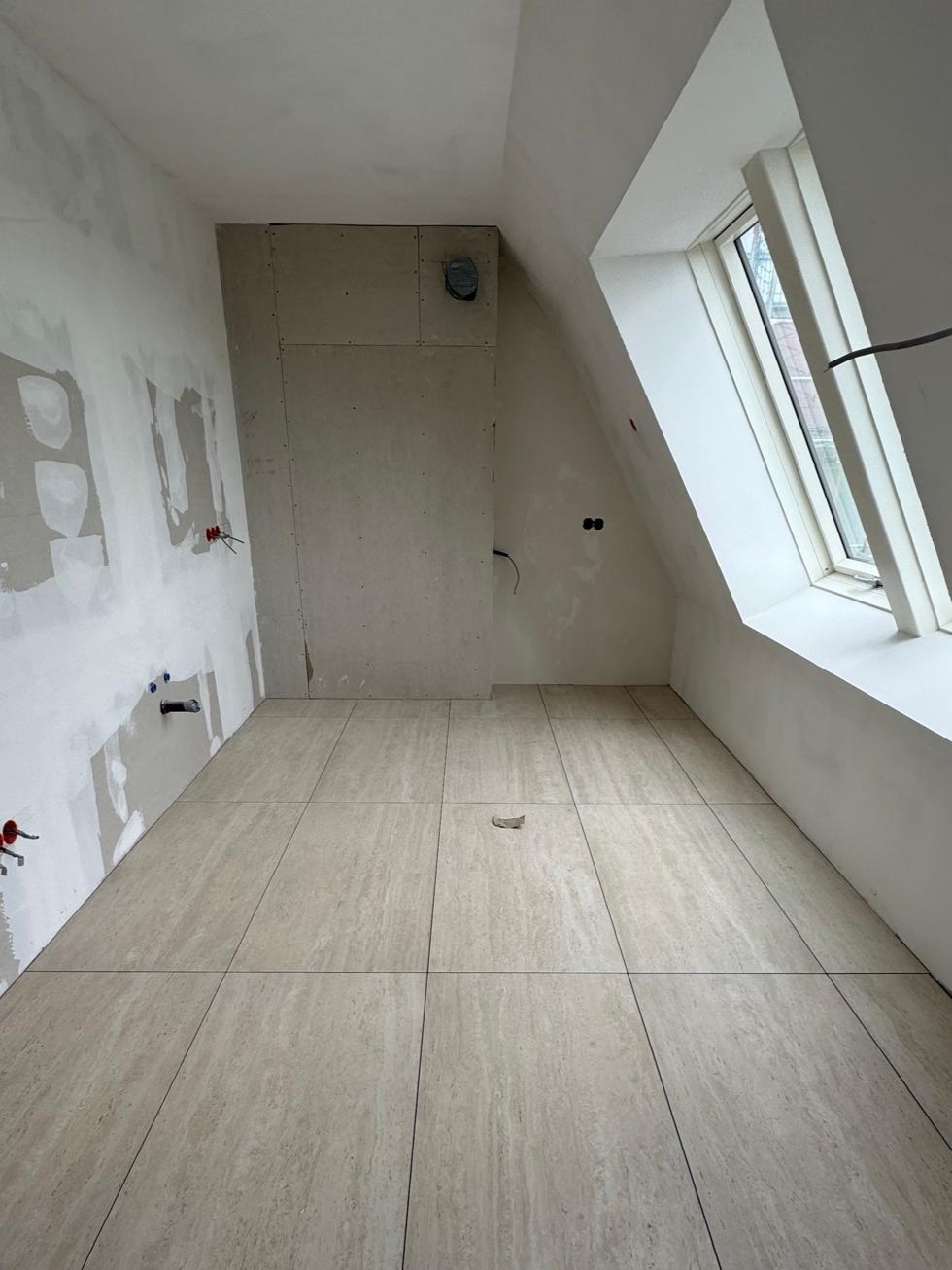
Once your plan is in place, the actual design to build process begins. This stage requires careful step by step remodeling coordination between designers, contractors, and suppliers. Understanding the key phases of renovation allows you to manage expectations and ensure that everything stays on track.
The Design Phase: Planning Functionality and Style
The design phase is where creativity meets practicality. Interior redesign strategy plays a vital role in achieving a harmonious balance between aesthetics and functionality. Whether you’re remodeling a kitchen, bathroom, or entire home, thoughtful planning ensures that every element enhances usability and comfort.
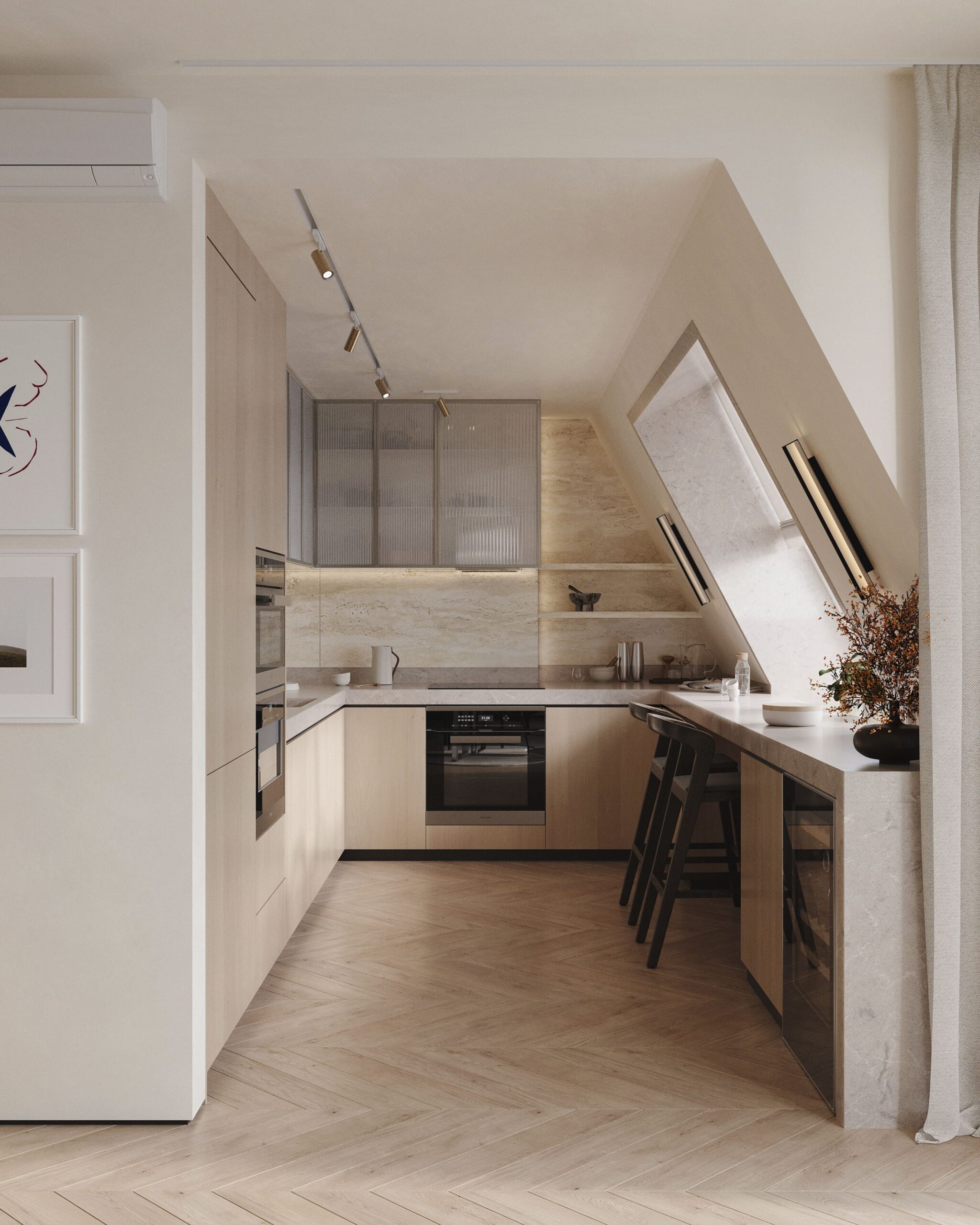
For example, a kitchen renovation planning strategy might focus on maximizing storage, improving workflow, and selecting durable materials. Similarly, a bathroom remodel steps guide could emphasize optimizing space, choosing water-efficient fixtures, and selecting moisture-resistant finishes. This phase is also the perfect time to consult an apartment renovation guide to gain insights into space-saving techniques and modern design trends.

Common Problems and How to Overcome Them
Despite thorough planning, unexpected issues can arise during renovations. Common problems and how to overcome them should be a key consideration from the start. Apartment renovation guide resources can help homeowners anticipate challenges specific to smaller living spaces, such as storage constraints and space optimization.
Understanding potential challenges and developing contingency plans can help mitigate risks and keep your project on track. Renovation planning should include strategies to address common issues like unforeseen structural problems, budget overruns, and scheduling conflicts. Taking a proactive approach by researching potential obstacles and consulting professionals ensures smoother project execution and reduces stress.
Construction and Project Management
The construction phase is where the real transformation happens. Renovation project management ensures that each aspect of the build is executed according to plan. From demolition to structural modifications and finishing touches, effective oversight is essential to maintain quality and adherence to deadlines.
Key remodeling process steps include scheduling contractor work, monitoring material deliveries, and maintaining clear communication with all involved parties. Using project management software can be beneficial in tracking progress, setting milestones, and ensuring that every stage aligns with the original home remodeling guide.
How to Handle Unforeseen Expenses
Even the most detailed home renovation planning cannot predict every cost. Structural issues, hidden damages, or material price fluctuations can quickly impact your budget. Creating a home renovation checklist that includes a financial buffer can provide peace of mind.
One effective approach is to categorize expenses into “must-haves” and “nice-to-haves.” This allows for flexibility in making cost adjustments without compromising the overall vision. Additionally, working with a transparent contractor who provides detailed estimates minimizes the risk of unexpected financial burdens.
Managing Time: Staying on Schedule
Time management is a critical factor in ensuring a successful renovation. Construction planning tips suggest setting milestone deadlines for each phase of the project. Delays often occur due to labor shortages, permit approvals, or material availability. To mitigate these risks, homeowners should proactively order supplies, maintain clear contractor agreements, and schedule regular progress evaluations.
Using a step by step remodeling approach helps break down tasks into manageable segments, reducing the likelihood of bottlenecks. A well-structured timeline ensures that the renovation progresses smoothly and finishes on schedule.
Final Touches: Wrapping Up the Renovation
Once the construction phase is complete, attention shifts to finalizing details and ensuring that everything meets expectations. Final touches include not only cleaning but also adding the design elements that bring the space together for a polished, cohesive look. The finishing stage includes quality inspections, deep cleaning, and carefully selecting decorative elements to enhance the space.
At this stage, interior design planning plays a crucial role in ensuring that the aesthetics align with the overall vision of the project. Whether it’s choosing the right color palette, arranging furniture for optimal flow, or adding final décor accents, these details define the success of the transformation. A well-executed home remodeling guide will emphasize the importance of these finishing touches to achieve a space that is both functional and visually appealing.

Assessing the Final Outcome
Before considering the renovation fully complete, homeowners should conduct a detailed walkthrough all renovation project phases. This involves evaluating workmanship quality, verifying installations, and addressing any remaining adjustments. Every element, from flooring and paintwork to electrical and plumbing fixtures, should be inspected to ensure it meets expected standards. Taking the time to test appliances, check for potential defects, and document any concerns for contractors to address can help finalize the project without loose ends. Creating a final remodeling process steps checklist ensures that all aspects meet the desired standards and that the renovation results in a durable and satisfying transformation.
Post-Renovation Care and Maintenance Tips
Maintaining the beauty and functionality of your renovated space requires ongoing attention. Establishing a routine maintenance schedule is key to protecting your investment and ensuring your home stays in top shape. Regular cleaning, checking plumbing and electrical systems, and handling minor repairs can all contribute to extending the lifespan of all renovation project phases.
A comprehensive home remodeling guide should also address seasonal maintenance tasks to prevent wear and tear. For instance, inspecting your roofing and exterior surfaces before the colder months can help you avoid expensive repairs later. By staying proactive, you can enhance the durability of your renovated space and keep it looking fresh and functional for years to come.
A well-executed home transformation starts with strategic renovation project management. From defining goals and setting budgets to managing construction and finalizing details, each phase plays a crucial role in the project’s success. By following a structured home remodeling guide, homeowners can navigate the complexities of renovation with confidence, achieving a space that is both functional and visually stunning.
Whether you’re planning a minor update or a complete home transformation, embracing a design to build process helps streamline decision-making and ensures that the final result aligns with your vision. With careful renovation planning, proactive problem-solving, and meticulous execution, your dream home remodeling can become a reality.