Creating the feeling of a “winter home” in the desert
Winter means different things depending on where you live. In many parts of the world, it arrives with snow, cold air, and shorter days. In Dubai, winter is quieter, subtler, and deeply sensory. It is the season when the heat retreats, evenings become long and soft, and outdoor life finally feels effortless. It is also the moment when people begin to crave a different kind of atmosphere inside their homes — calmer, cooler, more layered.
Dubai does not experience winter in the traditional sense. Yet the desire for a “winter home” exists here just as strongly. Not as a response to cold, but as a response to rhythm. To light. To texture. To the need for spaces that slow the pace of life and feel emotionally grounded.
This is where architecture steps in. Designing winter homes in the UAE is not about copying alpine chalets or recreating cold climates. It is about creating a seasonal mood with a sense of calm, depth, and comfort within a warm environment. Through materials, light, proportion, and carefully controlled contrast, architects and designers shape interiors that feel winter-like without fighting the climate.
Winter as a state of mind in Dubai
In Dubai, winter is less about temperature and more about perception. It is the season of open terraces, quiet evenings, and softer light. The city slows down slightly. Social life moves outdoors. Interiors become places for long dinners, reflection, and stillness rather than shelter from heat. As a result, winter homes in Dubai are not defined by insulation or heavy enclosure. They are defined by atmosphere. The goal is not to make a home feel cold, but to make it feel composed. Calm. Balanced. Slightly detached from the intensity of the outside world. This shift in intention fundamentally changes how winter architecture is approached in the UAE.
What is a “winter home” in the UAE context?
A winter home in Dubai is not seasonal in function. It is seasonal in feeling. These homes are designed to:
- soften light rather than amplify it
- introduce visual and tactile coolness
- create contrast with the desert environment
- support slower, evening-focused living
They often blend modern architecture with faux-chalet aesthetics. Not literal wood cabins or alpine forms, but subtle references to winter through texture, material weight, and layered interiors. This is not about nostalgia. It is about comfort redefined for a warm climate.
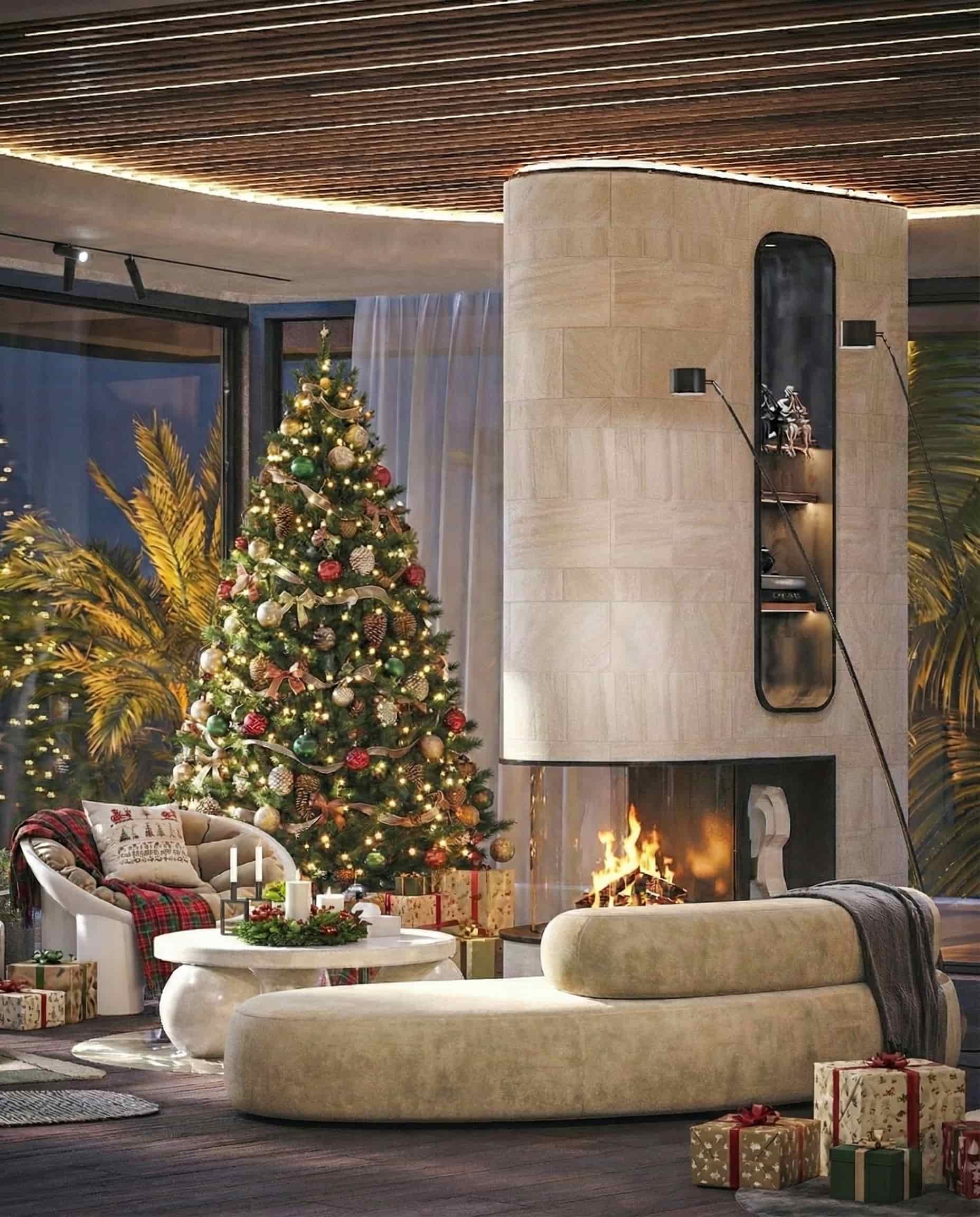
Faux-chalet aesthetics: interpreting winter without snow
The chalet has long represented retreat, warmth, and connection to natural materials. In Dubai, where snow-covered mountains do not exist, this architectural vocabulary requires translation rather than replication. The challenge lies in capturing the emotional essence of chalet living while remaining truthful to the desert context.
What faux-chalet really means
In Dubai, faux-chalet aesthetics do not mean recreating a European mountain house. That would feel artificial and out of place. Instead, designers extract the emotional logic of chalet architecture and reinterpret it through a regional lens. Chalet environments are associated with:
- warmth without excess
- tactile materials
- soft, indirect light
- a sense of enclosure and protection
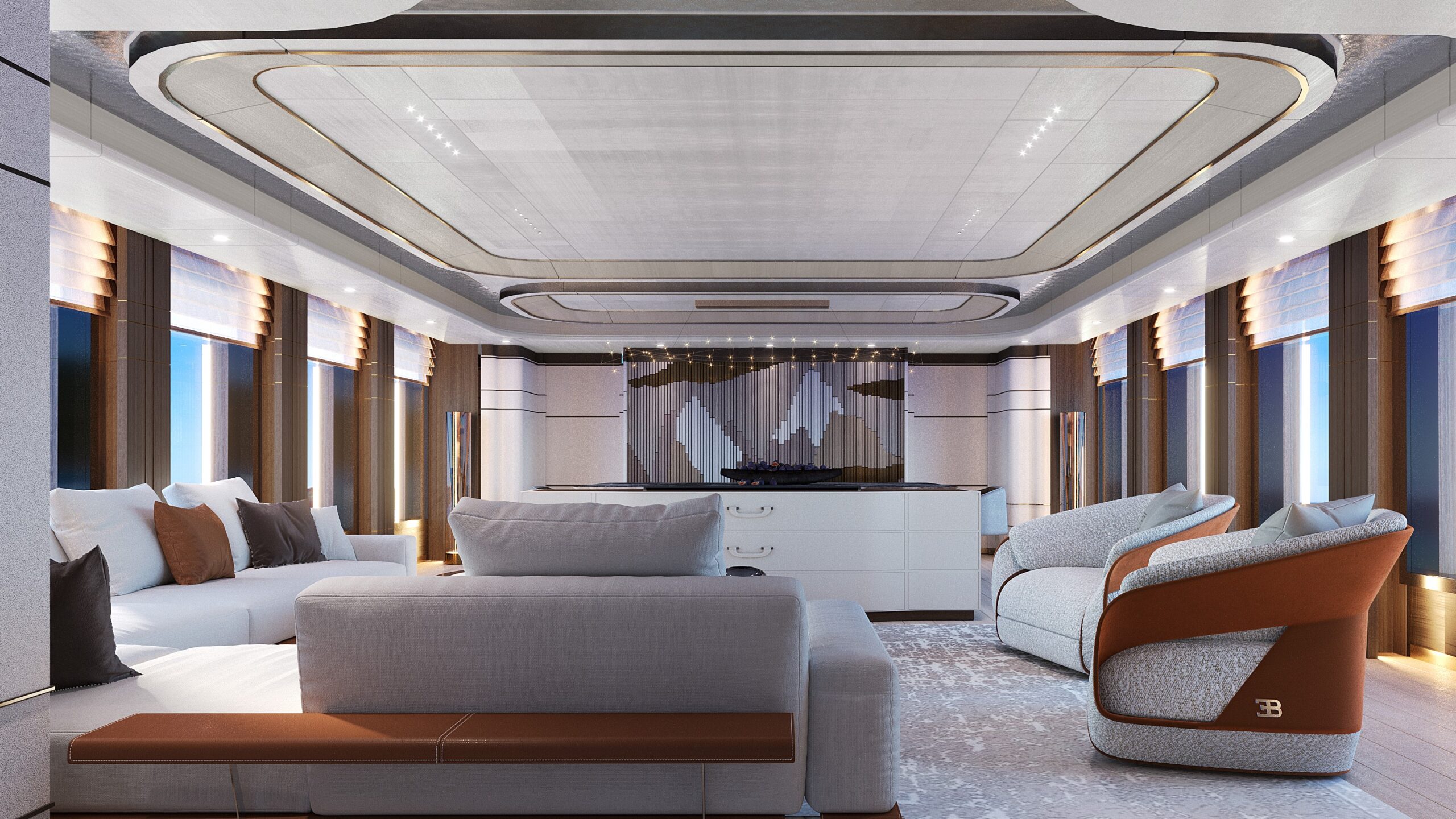
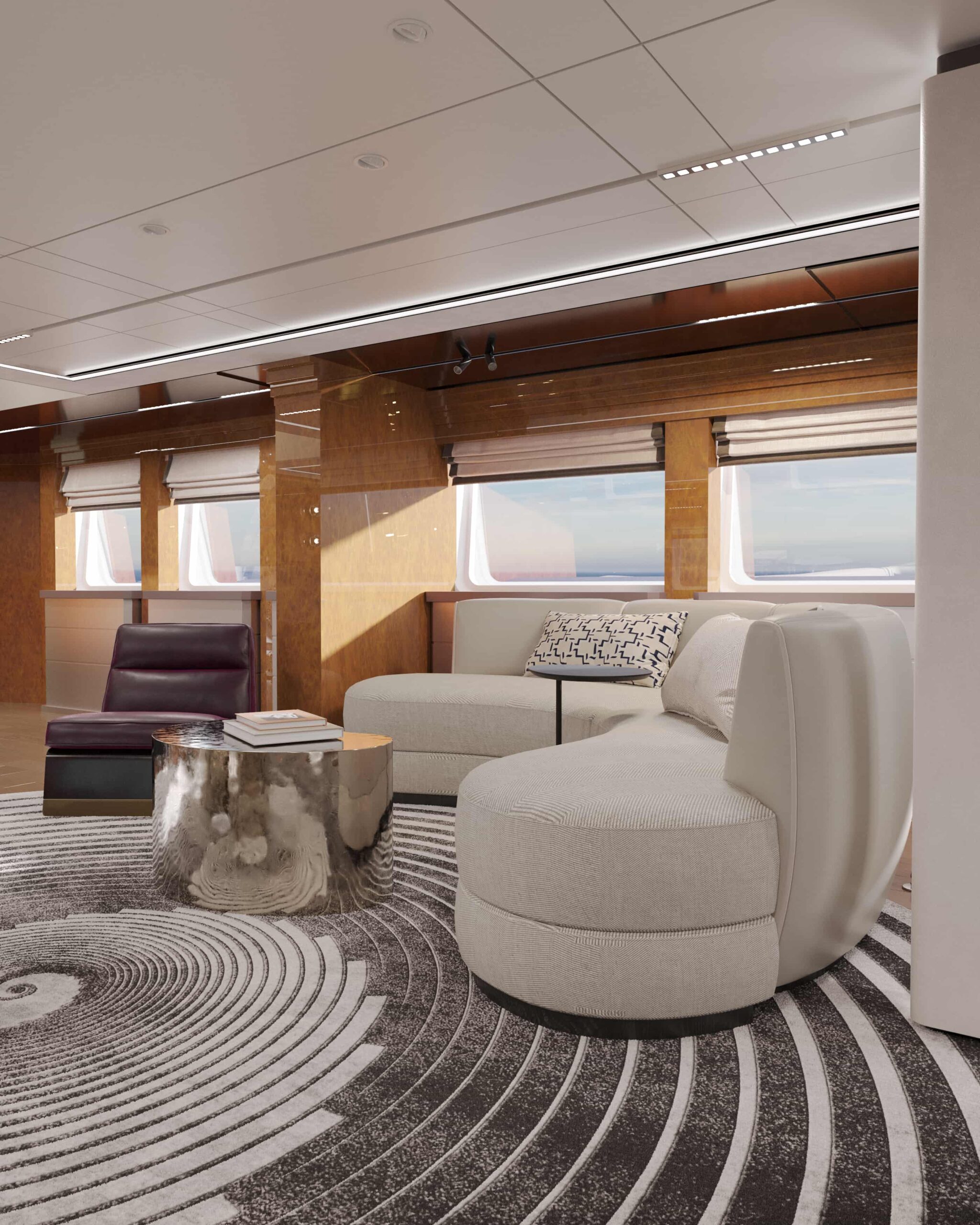
In the UAE, these qualities are translated using different tools. Rather than heavy timber structures, designers use refined wood finishes, stone, textured plaster, and muted palettes. The emphasis is on material depth, not visual weight.
The approach requires careful calibration. Too much reference to traditional chalet elements creates a disconnection from the surrounding environment. Too little, and the seasonal atmosphere fails to materialize. The best winter homes in Dubai find a middle path, where materials and proportions evoke the feeling of retreat without mimicking specific architectural styles.
Controlled contrast as a design tool
The desert environment is bright, open, and expansive. Winter interiors in Dubai intentionally introduce contrast. This contrast appears through:
- darker, more grounded color schemes
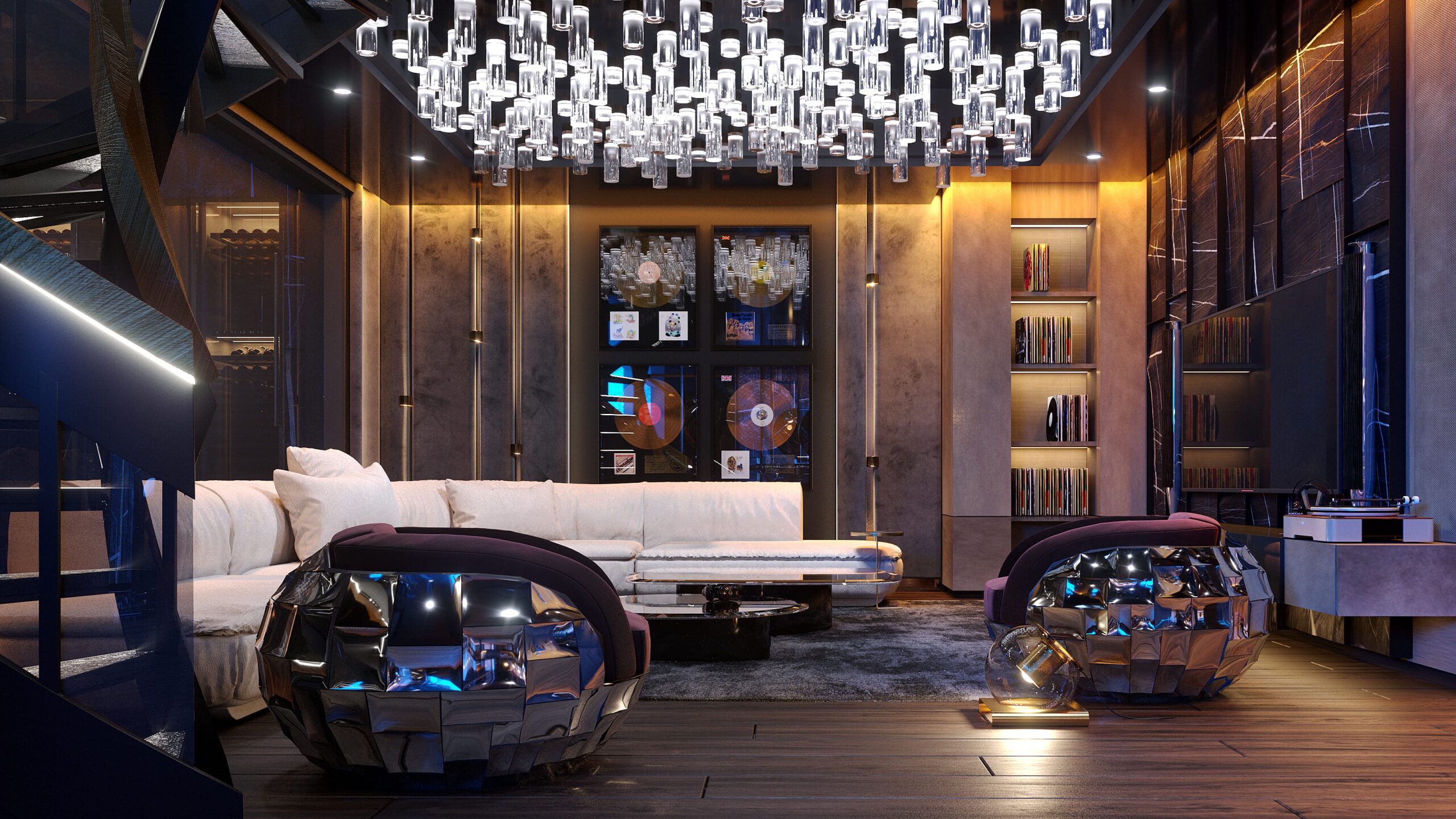
- layered lighting instead of uniform brightness
- materials that absorb light rather than reflect it
- furniture with visual weight and low profiles
The result is a space that feels quieter and more introspective, with a counterbalance to the exterior world. Contrast operates on multiple levels simultaneously. At the most obvious level, it creates visual relief from the uniformly bright desert landscape. Walking from intense outdoor light into a deliberately dimmer interior produces an immediate sense of sanctuary.
Materials that create a sense of cool comfort
Material selection in Dubai winter homes operates on sensory and psychological levels rather than purely functional ones. Unlike climates where materials must provide insulation or thermal mass, here they serve to create visual temperature and emotional grounding. The right materials can make a warm space feel psychologically cooler while maintaining physical comfort.
Stone, concrete, and mineral surfaces
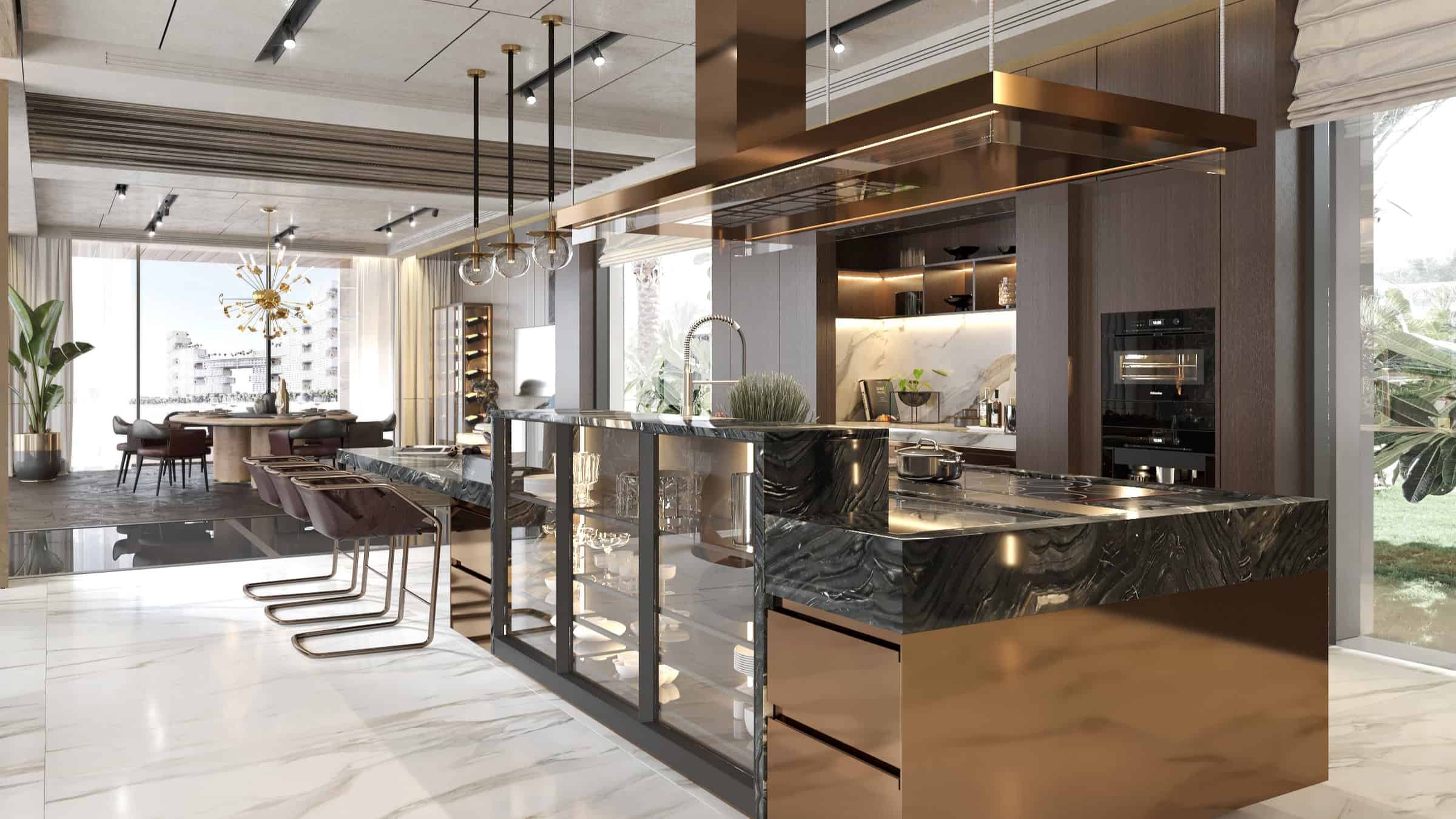
Unlike cold climates, where materials are chosen to retain heat, winter homes in Dubai often rely on materials that visually cool the space. Stone, concrete, travertine, and mineral plaster are widely used for this reason. These surfaces feel calm, stable, and grounded. They bring a sense of permanence that contrasts beautifully with the fluidity of light and air. In winter interiors, these materials are left matte and textured. Gloss is avoided. The goal is to reduce glare and create visual softness.
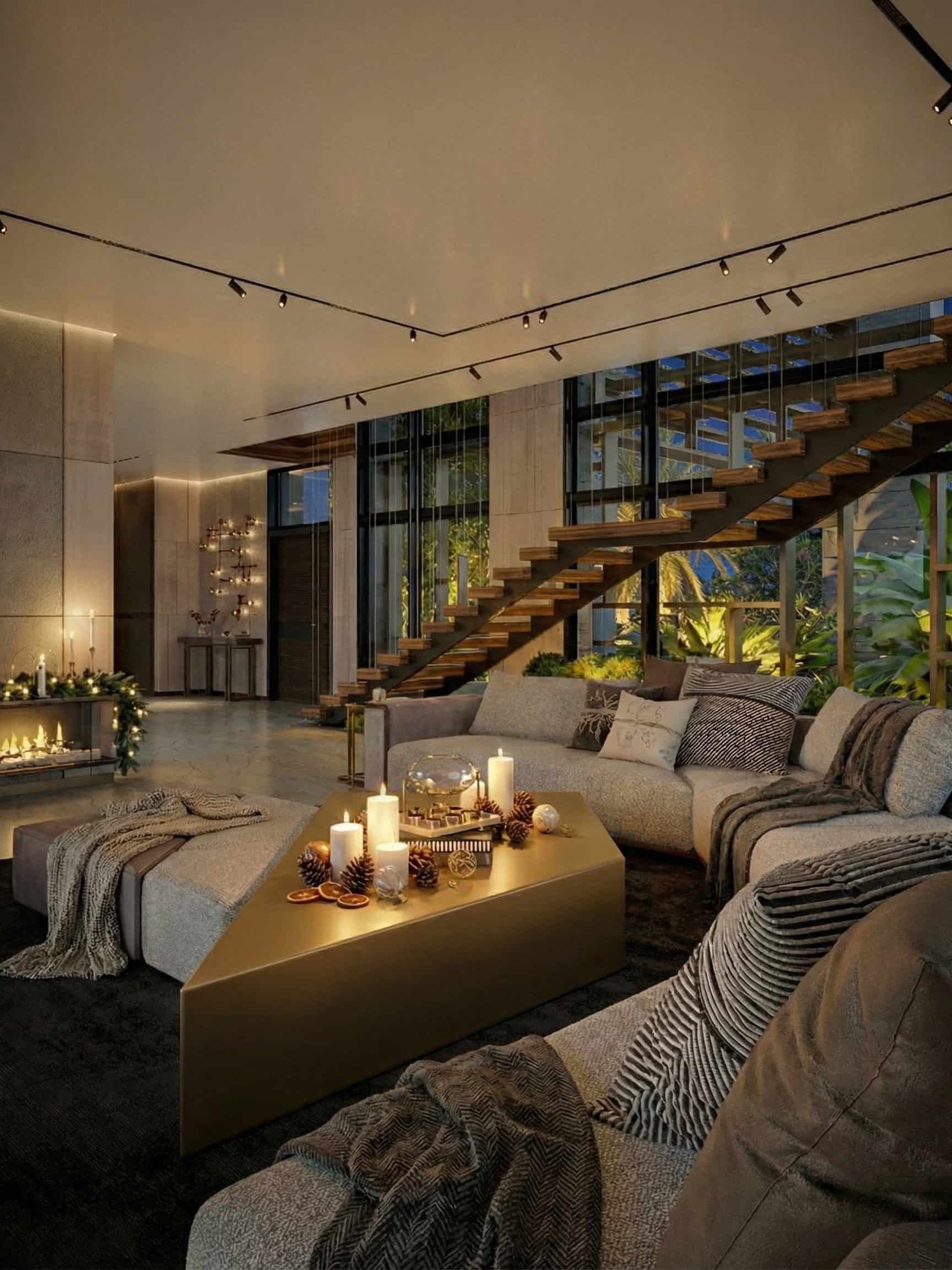
Each material brings specific qualities. Concrete, when properly finished, offers monolithic calm and contemporary clarity. Its neutral gray tone provides an excellent backdrop for wood accents and textile layers. Travertine and limestone bring warmth to the stone family while maintaining the grounded quality stone provides.
Mineral plasters create softness that hard stone cannot achieve. Applied in multiple layers, they build depth and texture while maintaining the matte quality essential to winter interiors. These plasters can be tinted to precise shades, allowing perfect calibration of color relationships.
Wood as balance, not dominance
Wood still plays an important role, but it is used differently than in traditional chalets. In Dubai winter homes, wood is often:
- darker in tone
- smoother in finish
- used selectively rather than everywhere
This creates warmth without overwhelming the space. Wood becomes a balancing element, softening stone and concrete rather than defining the entire interior. The choice of wood species and finish determines success. Walnut, oak, and teak in darker stains provide richness without heaviness. These woods bring warmth but maintain sophistication. Overly rustic or knotty woods feel out of place in urban Dubai homes.
Light as the main architectural element
Light shapes experience more than any other element in winter homes. During Dubai’s cooler months, the sun travels lower across the sky, creating longer shadows and warmer tones. This seasonal shift in light quality becomes the foundation for architectural decisions, influencing everything from window placement to surface finishes.
Working with soft winter light
Winter light in Dubai is one of the most beautiful aspects of the season. It is lower, warmer, and less aggressive than the summer sun. Architectural design responds by:
- framing light rather than flooding spaces
- using deep window reveals
- introducing filtered daylight through screens or textured glass
This creates interiors where light moves slowly and deliberately across surfaces, changing throughout the day. Window design becomes an exercise in controlled revelation. Rather than maximizing glass area, winter homes carefully consider view angles, light direction, and the quality of illumination at different times. East-facing windows capture gentle morning light. West-facing openings require more control to prevent harsh afternoon sun.
Artificial lighting for evening calm
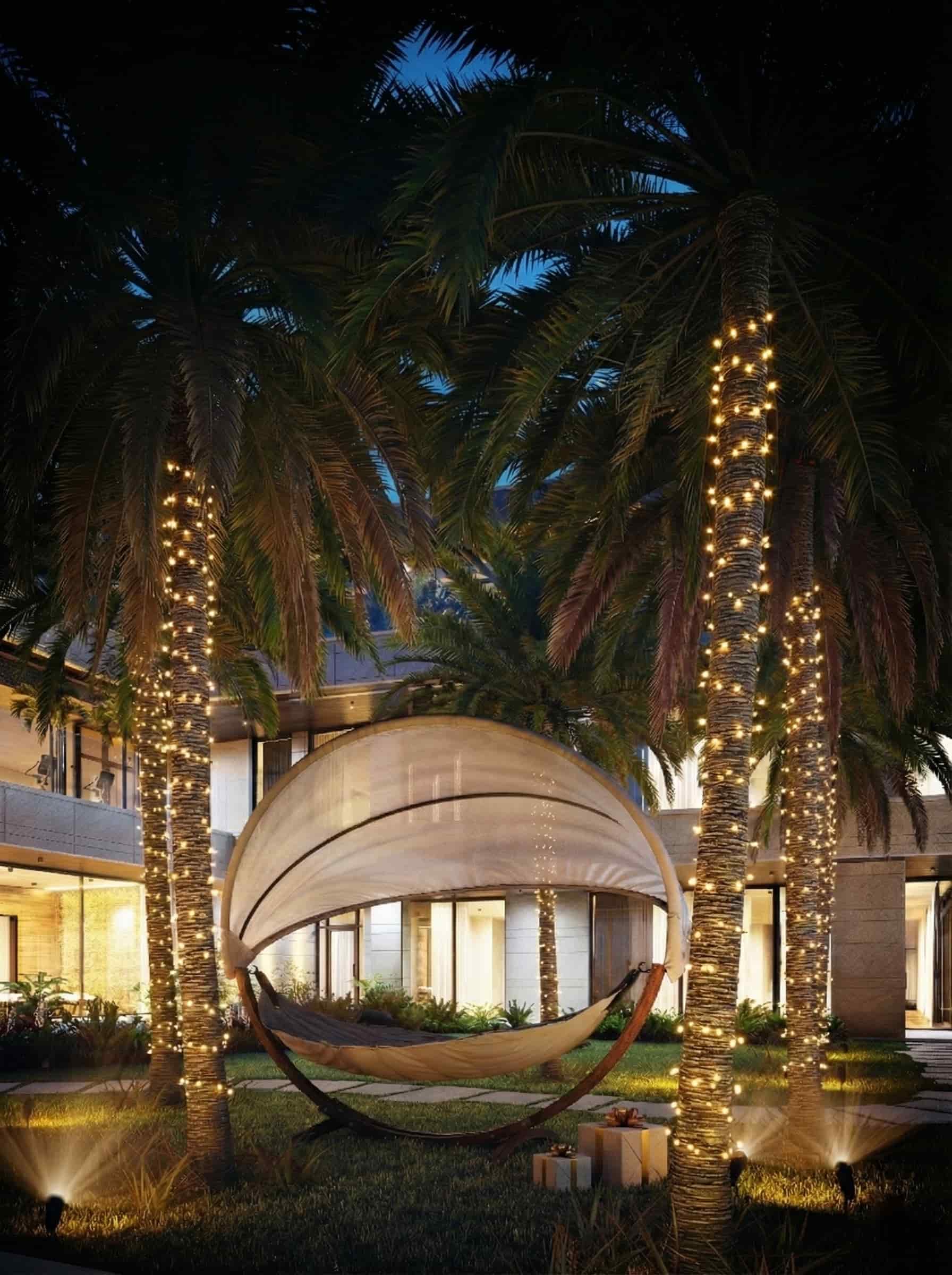
Evenings are central to winter living in the UAE. Interior lighting is layered and indirect. Warm temperatures dominate, but without excess yellow tones. Wall washing, recessed fixtures, and low-level lighting create depth and intimacy. This approach mirrors the emotional quality of winter evenings in colder climates without attempting to replicate darkness or cold. Lighting design requires multiple layers working together. Ambient lighting provides overall illumination but remains subtle and even. Task lighting supports specific activities without creating harsh pools of light. Accent lighting highlights architectural features, artwork, or material textures.
The color temperature of light sources matters enormously. While warm light supports a winter atmosphere, excessively yellow light feels dated. Modern LED technology allows precise control, enabling designers to specify exact color temperatures that feel warm but sophisticated. Dimming capability extends lighting flexibility. As the evening progresses, residents can lower light levels to match mood and activity. This control transforms spaces from dinner settings to late-night conversation areas without changing furniture or materials.
Indoor-outdoor living as a winter luxury
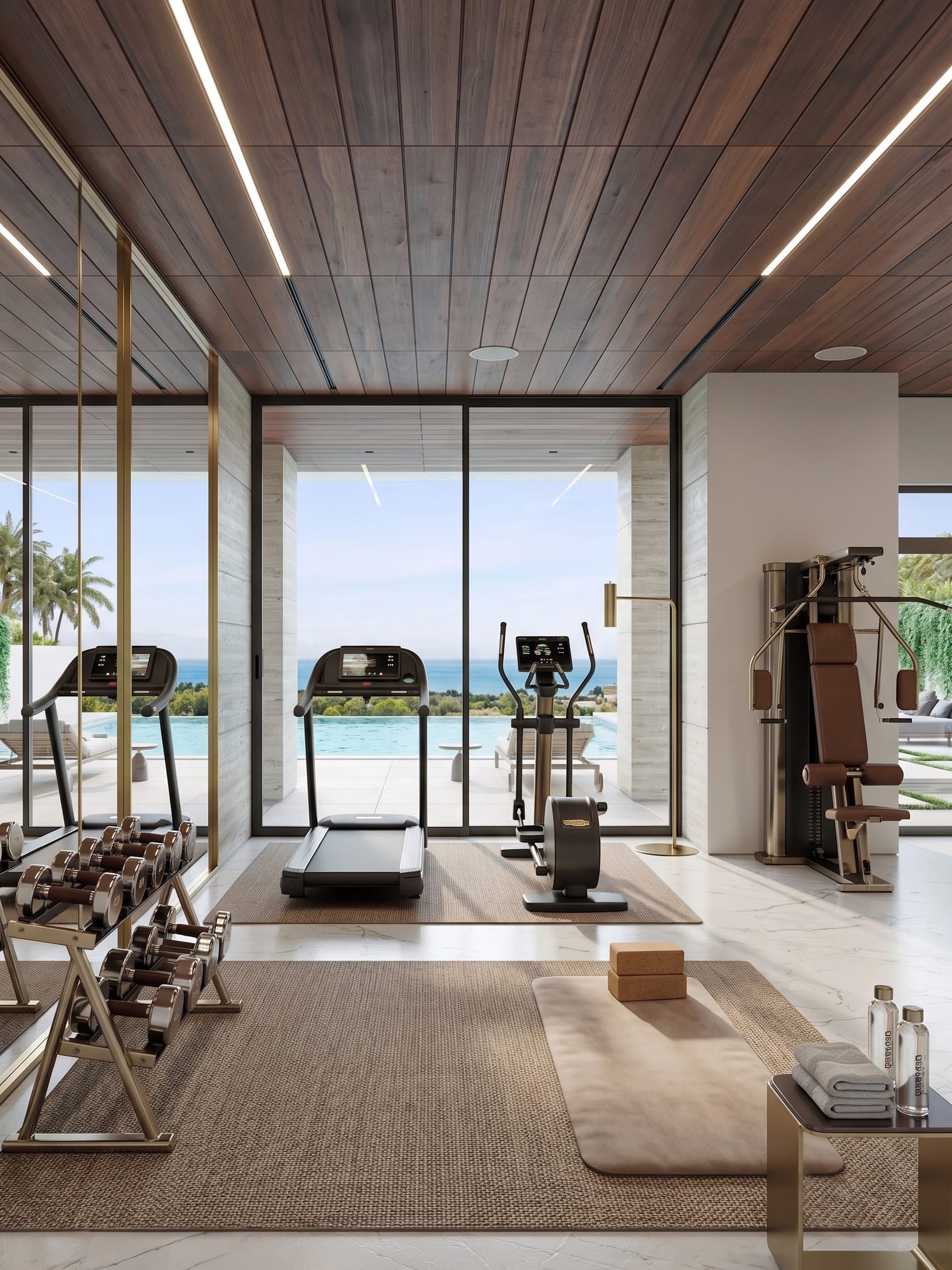
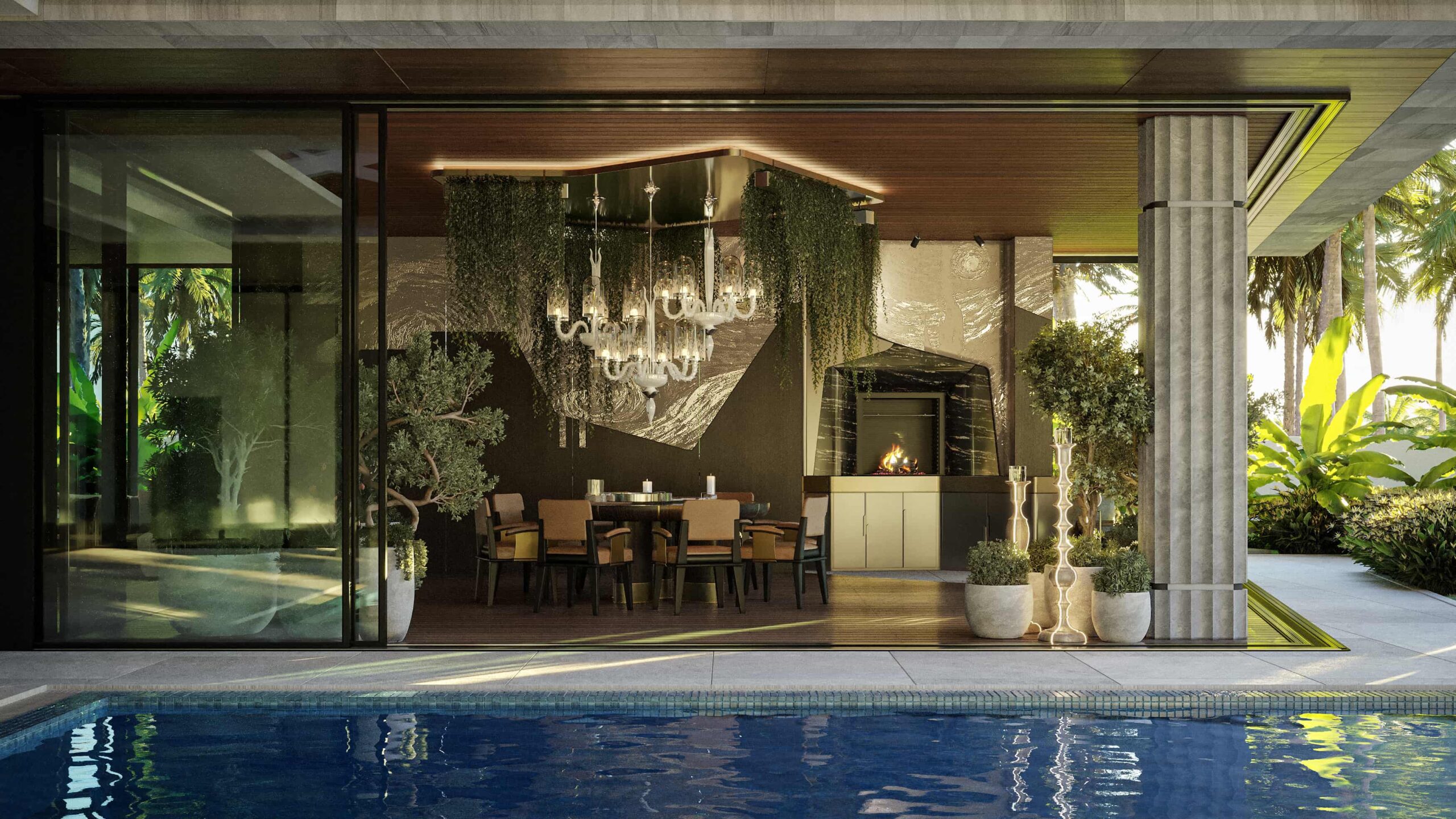
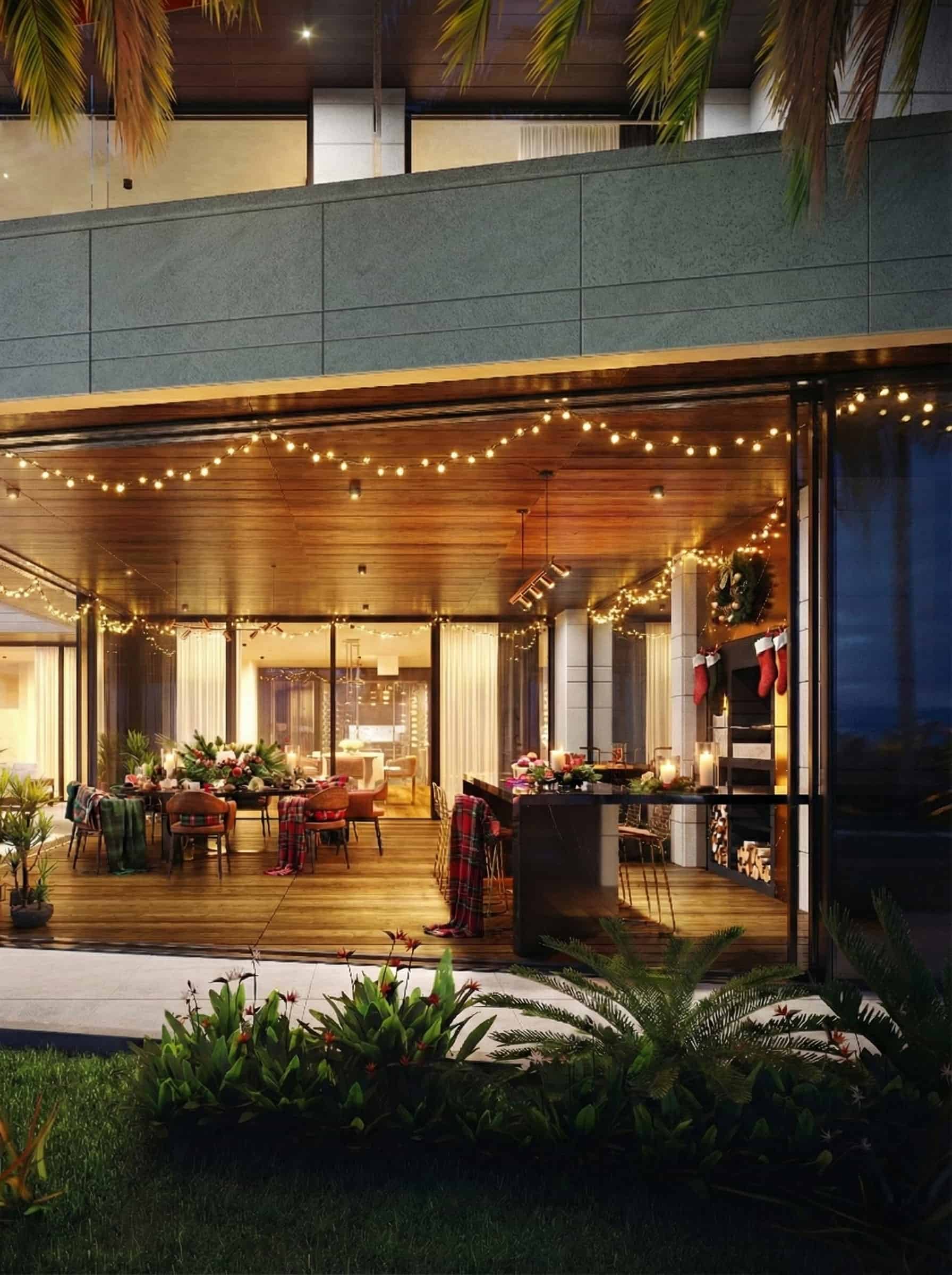
In Dubai winter homes, terraces become extensions of interior space. Fire features, textured flooring, soft lighting, and comfortable seating transform outdoor areas into evening destinations. These spaces echo chalet terraces not in appearance, but in mood. The desert replaces snow. Warm air replaces cold. The feeling remains the same. Outdoor spaces require the same attention to detail as interiors. Flooring materials must withstand weather while remaining comfortable underfoot. Stone, porcelain, and concrete pavers work well. Wood decking adds warmth but requires maintenance in Dubai’s climate.
Furniture designed for outdoor use has evolved significantly. Modern pieces offer comfort approaching indoor furniture while resisting sun, humidity, and temperature swings. Deep seating, weather-resistant fabrics, and durable frames create genuine living room comfort outside. The relationship between indoor and outdoor spaces must feel seamless. Floor levels should align where possible. Material palettes should coordinate. Lighting should integrate. When these details work together, the transition becomes effortless and natural.
Why winter homes matter in the UAE
Winter homes in Dubai are not about escaping the climate. They are about responding to it intelligently. In a city defined by speed and scale, these homes introduce pause. The psychological impact cannot be understated. Living in Dubai requires constant adaptation to heat, crowds, and intensity. Winter homes provide a necessary counterbalance. They become refuges where residents can reset and recharge.
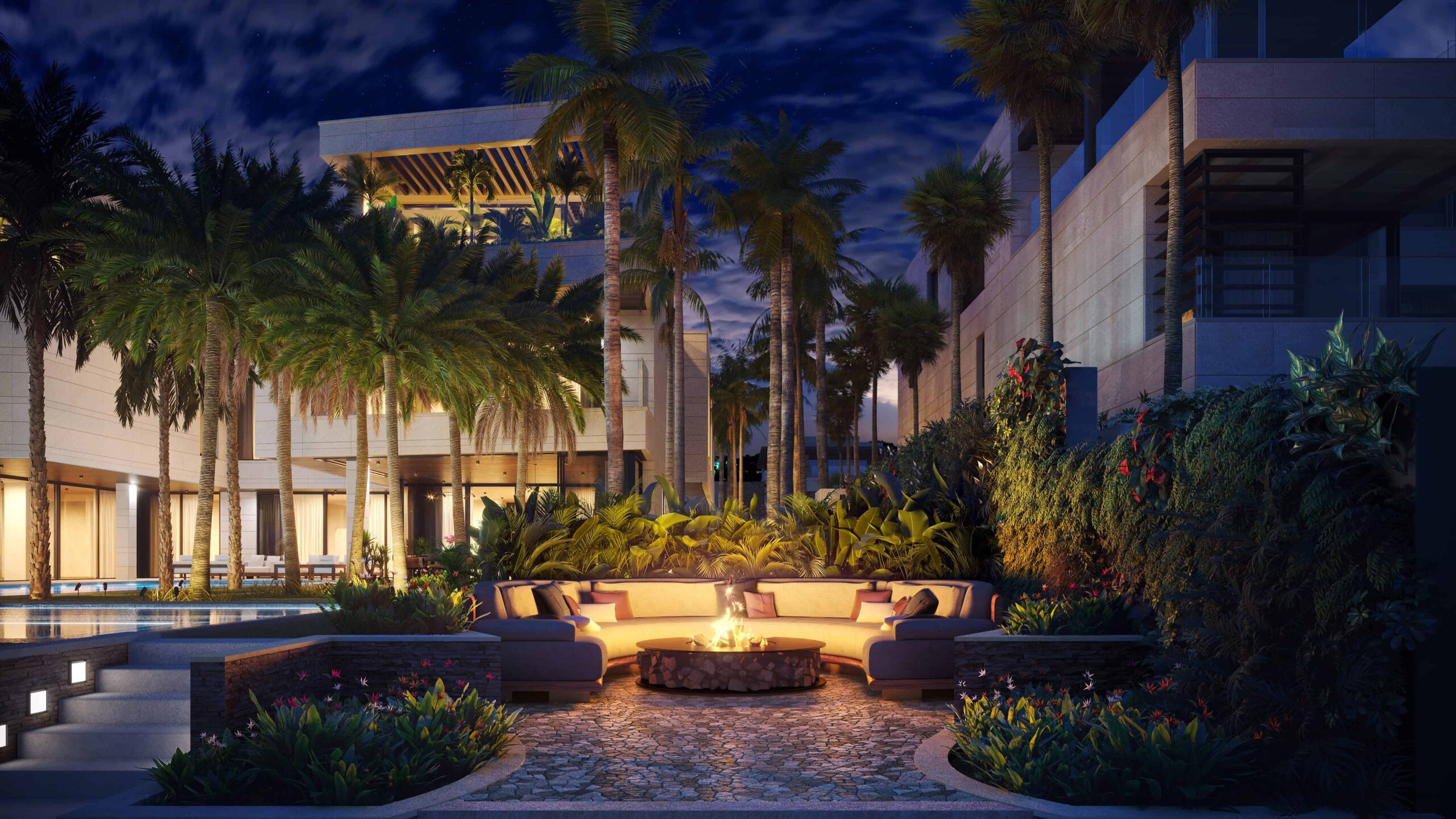
Creating a winter home in Dubai is not about temperature. It is about tone. Through textures, light, material contrast, and spatial balance, architecture can evoke the quiet comfort of winter even in the desert. These homes offer something rare — a sense of seasonal depth in a place known for constant sun. And that contrast is precisely what makes them special.