Showrooms in Dubai: design, lighting, and shopfronts that sell
In Dubai, a showroom is never just a physical space. It is a statement. With intense competition, global brands, and highly visual retail environments, the first few seconds inside a showroom often determine whether a customer stays or walks away. This is why showroom design in Dubai has evolved far beyond display layouts. Today, it is about experience, emotion, and brand storytelling. A successful showroom makes the brand instantly clear.
This article will discuss how strategic design strengthens brand identity, why lighting is the most powerful sales tool, how transparency and flow influence customer behavior, and what makes shopfront design effective in Dubai’s competitive market. It also looks at what makes shopfronts stand out in Dubai’s highly competitive retail scene, from product composition and interactive elements to cultural nuances that matter for international audiences.
The role of the showroom in Dubai’s retail landscape
Dubai is a city of choice. Customers are exposed to premium retail environments every day, from malls to standalone boutiques and flagship destinations. In this context, retail interiors in the UAE must work harder. A showroom is expected to communicate brand value immediately, feel aspirational but accessible, guide the customer intuitively, and support both browsing and decision-making. A well-designed showroom is not neutral. It actively sells.
The competitive density of Dubai’s retail sector means customers have unlimited alternatives within minutes. They compare experiences constantly, often unconsciously. A showroom that creates confusion or visual fatigue loses to one that feels effortless. This pressure has pushed showroom design in Dubai toward higher standards of execution. Details matter
because customers notice them. Material quality, lighting precision, spatial flow, and product presentation all contribute to perceived value. When these elements align, they create environments where purchasing decisions feel natural rather than pressured.
The showroom also serves multiple functions simultaneously. It must work for the casual browser exploring options, the informed buyer ready to purchase, the investor evaluating brand credibility, and the tourist seeking memorable retail experiences. This multiplicity demands spaces that communicate clearly across cultural and linguistic barriers.
Design that strengthens the brand, not distracts from it
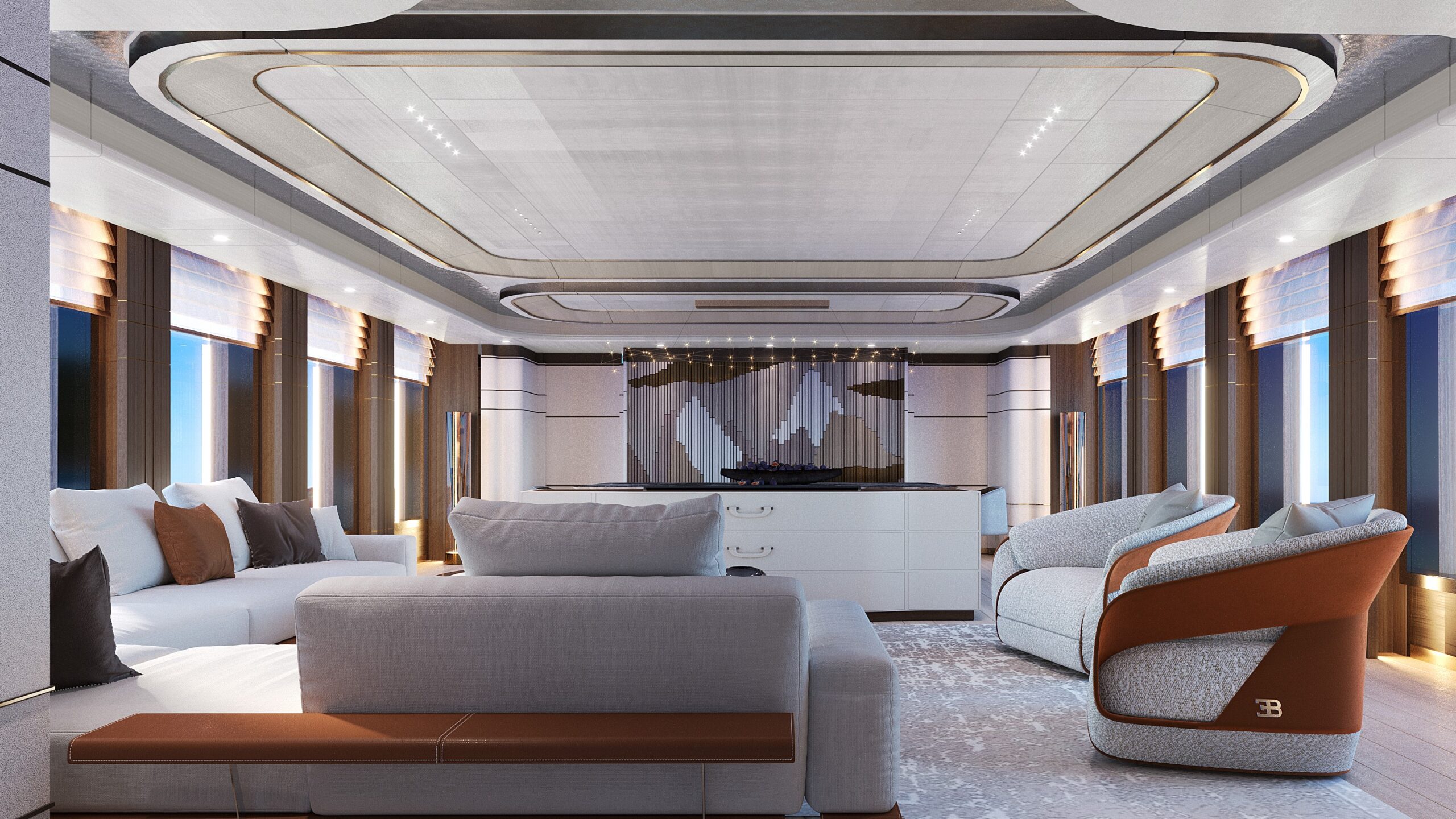
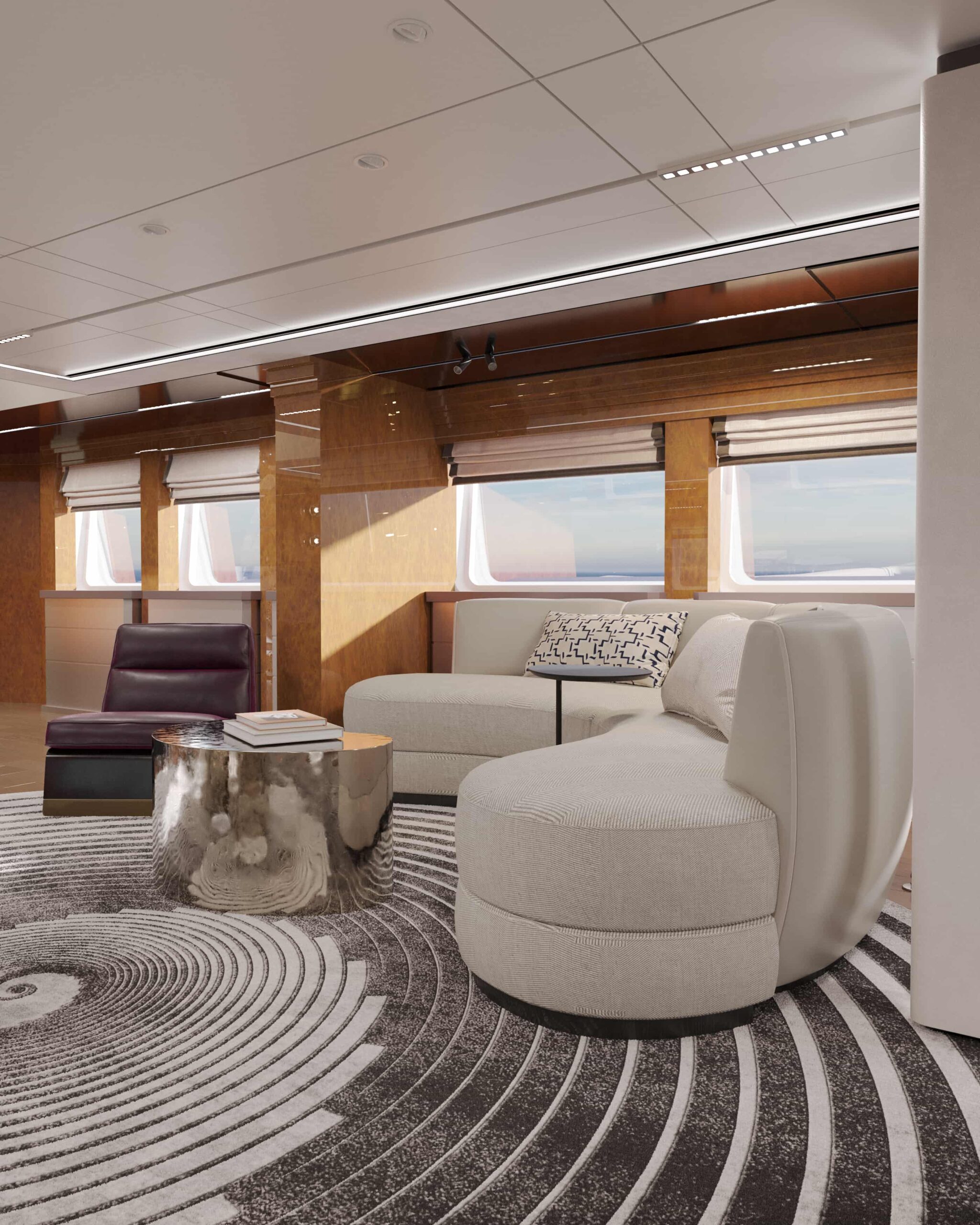
The most effective showrooms in Dubai are built around a single, strong concept. They do not overload the space with finishes, colors, or competing focal points. Premium showroom design in Dubai focuses on architectural clarity, consistent material language, and strong spatial separation. When the space is clear, the product becomes more powerful. Every brand has a personality. The showroom should express it through proportion, rhythm, and atmosphere, not slogans or graphics. Luxury brands lean into restraint and scale. Contemporary brands favor openness and lightness. Tech-driven brands emphasize precision and interaction. Good retail interiors in the UAE feel intentional, not decorative.
Lighting: the most powerful sales tool
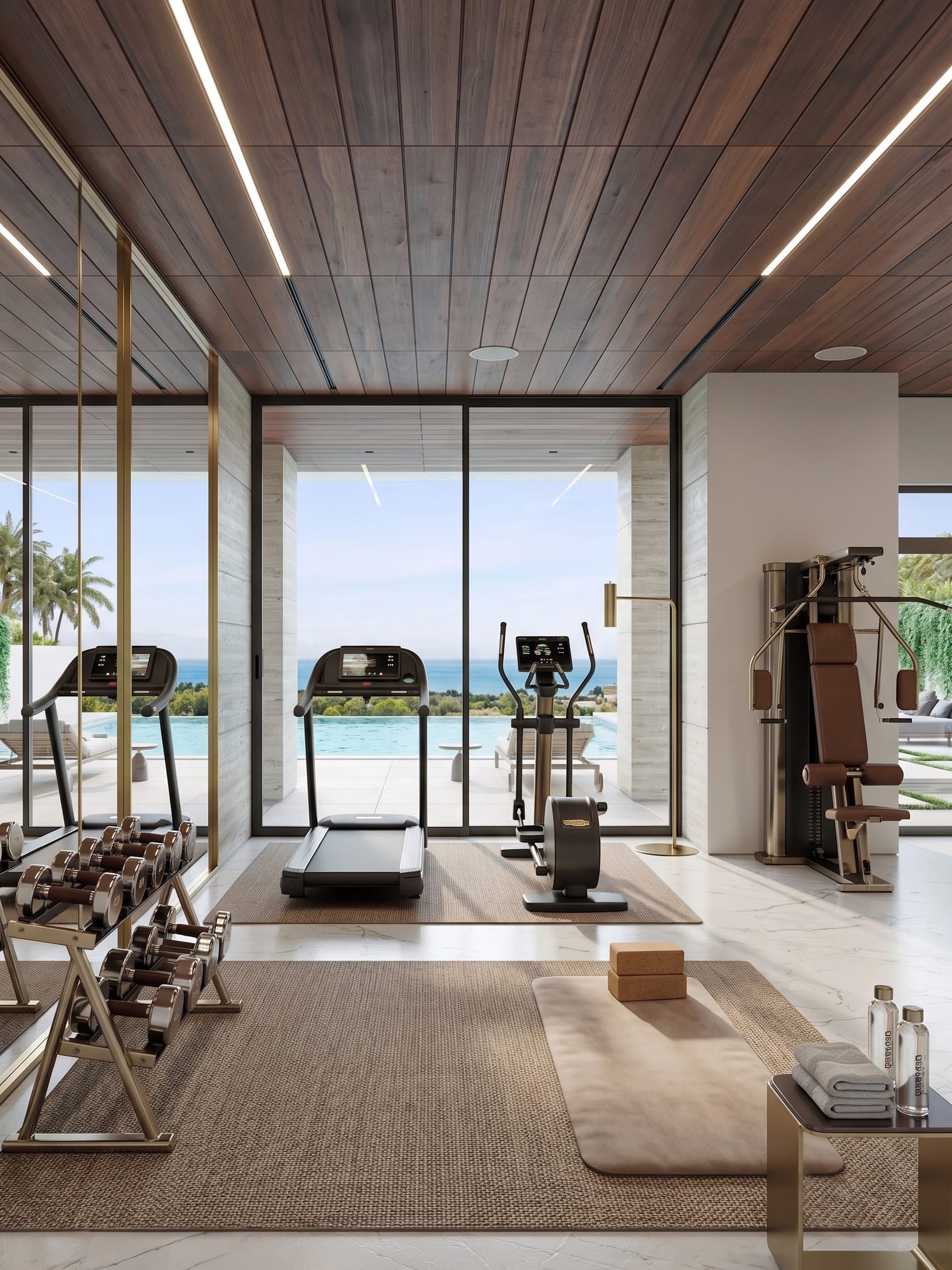
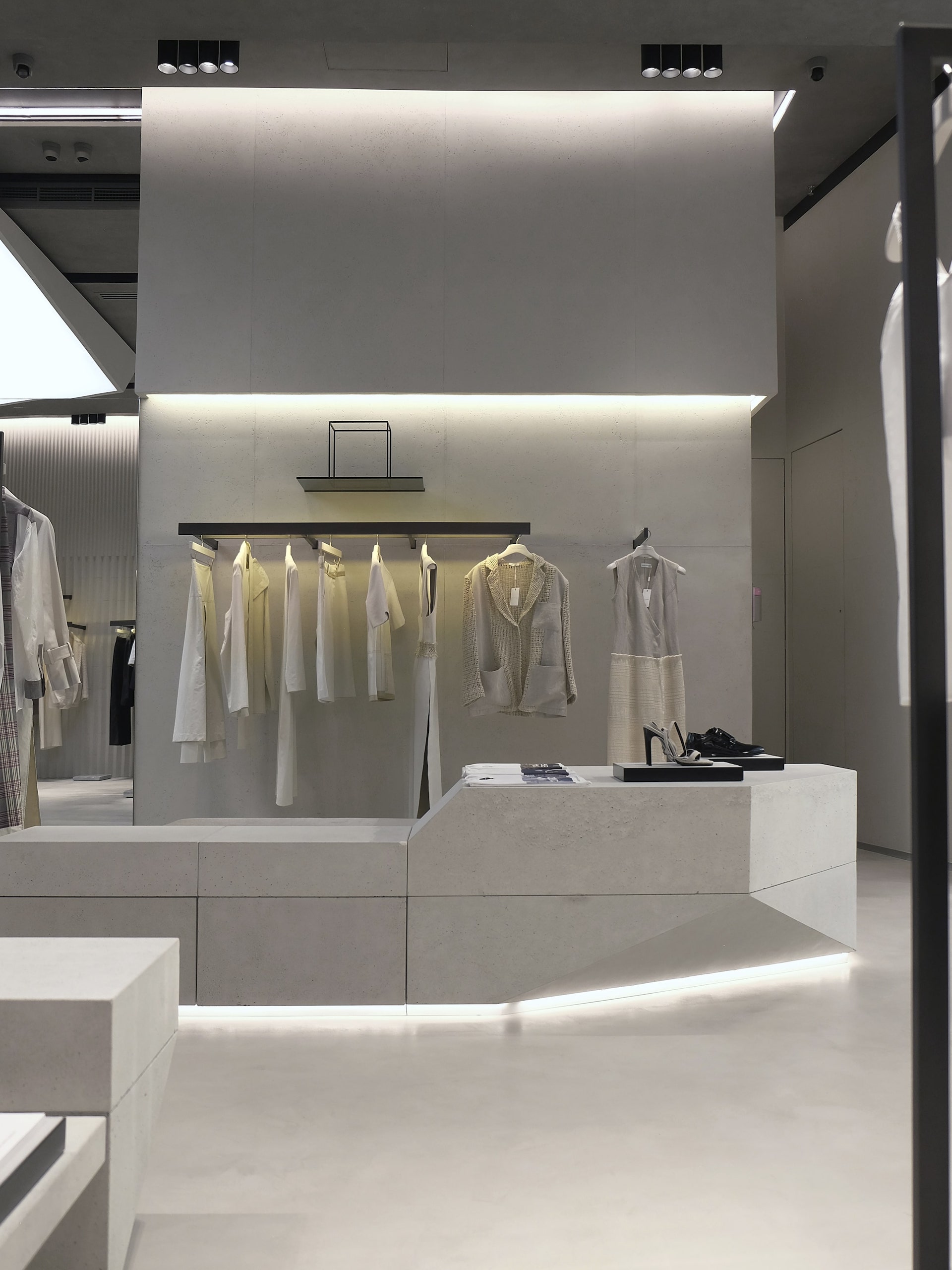
Lighting is often the difference between a beautiful showroom and a profitable one. In Dubai, where daylight is intense and artificial lighting must compete with it, lighting design requires precision. Effective showroom lighting highlights products without flattening them, creates contrast and depth, guides customer movement, and adapts to different times of day. Poor lighting can make even premium products feel ordinary.
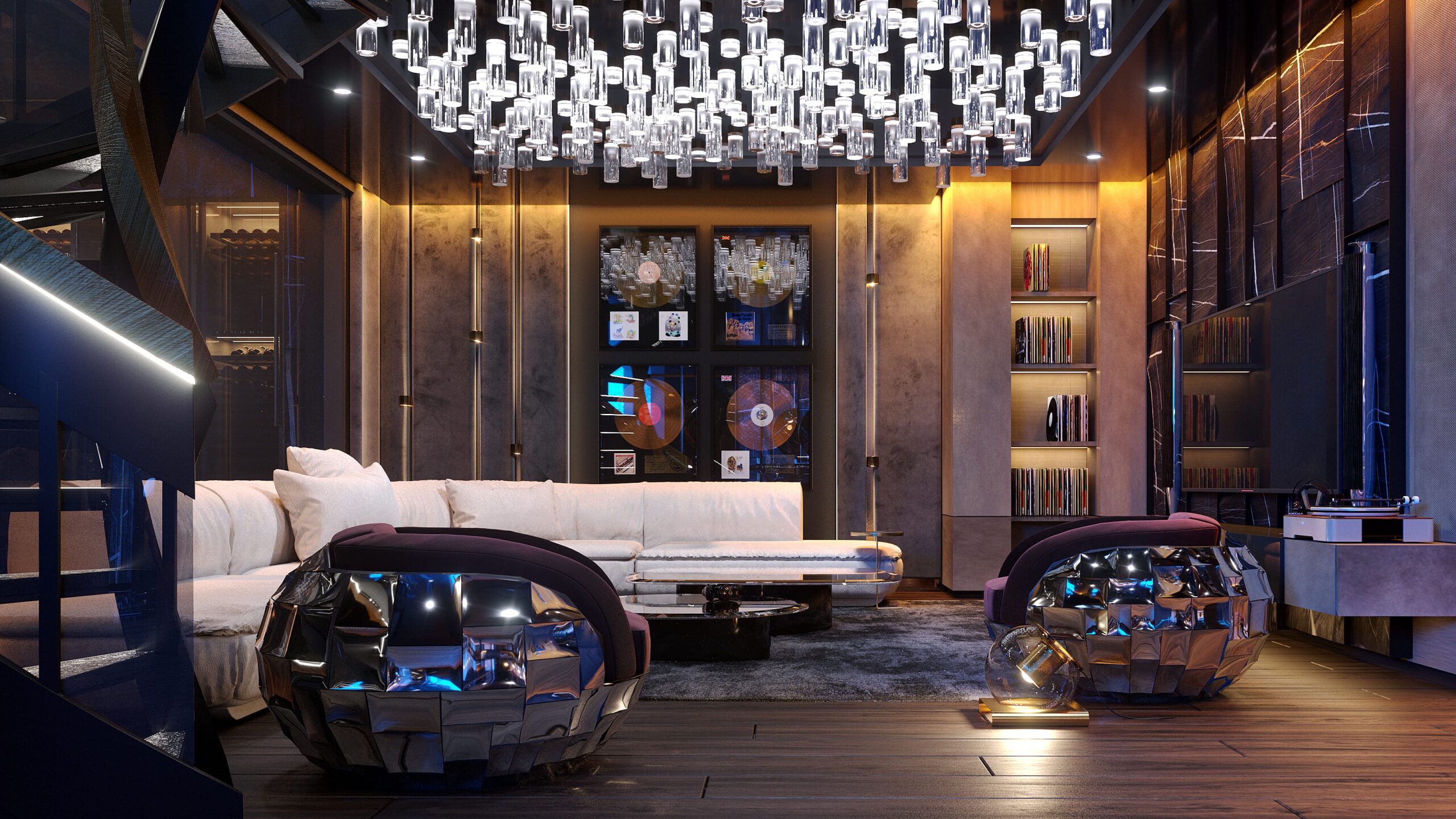
The strongest showroom design Dubai projects avoid flat, uniform lighting. They rely on layers: ambient light for comfort, accent lighting for focus, and integrated lighting for architectural depth. Lighting should never be noticed directly. It should be felt. Color rendering is also critical. Products must appear accurate under showroom lighting, or customers lose confidence. This demands high-quality fixtures with appropriate color temperature. The investment in superior lighting technology pays direct dividends in conversion rates.
Transparency and flow: let the space invite the customer in
Modern showrooms in Dubai are moving away from closed, intimidating layouts. Transparency builds trust and curiosity. Glass, open sightlines, and visual continuity allow customers to understand the space instantly. This is especially important in high-end retail, where hesitation often kills engagement. Retail interiors in the UAE that feel open, feel confident. And confidence sells. Great showroom design guides movement without feeling controlling. Changes in light, height, or materials subtly shape how people move through the space, eliminating the need for signage and making the experience feel relaxed and intuitive. Flexible circulation paths give customers the freedom to browse at their own pace or head straight for what they want.
Shopfront design: selling before the door opens
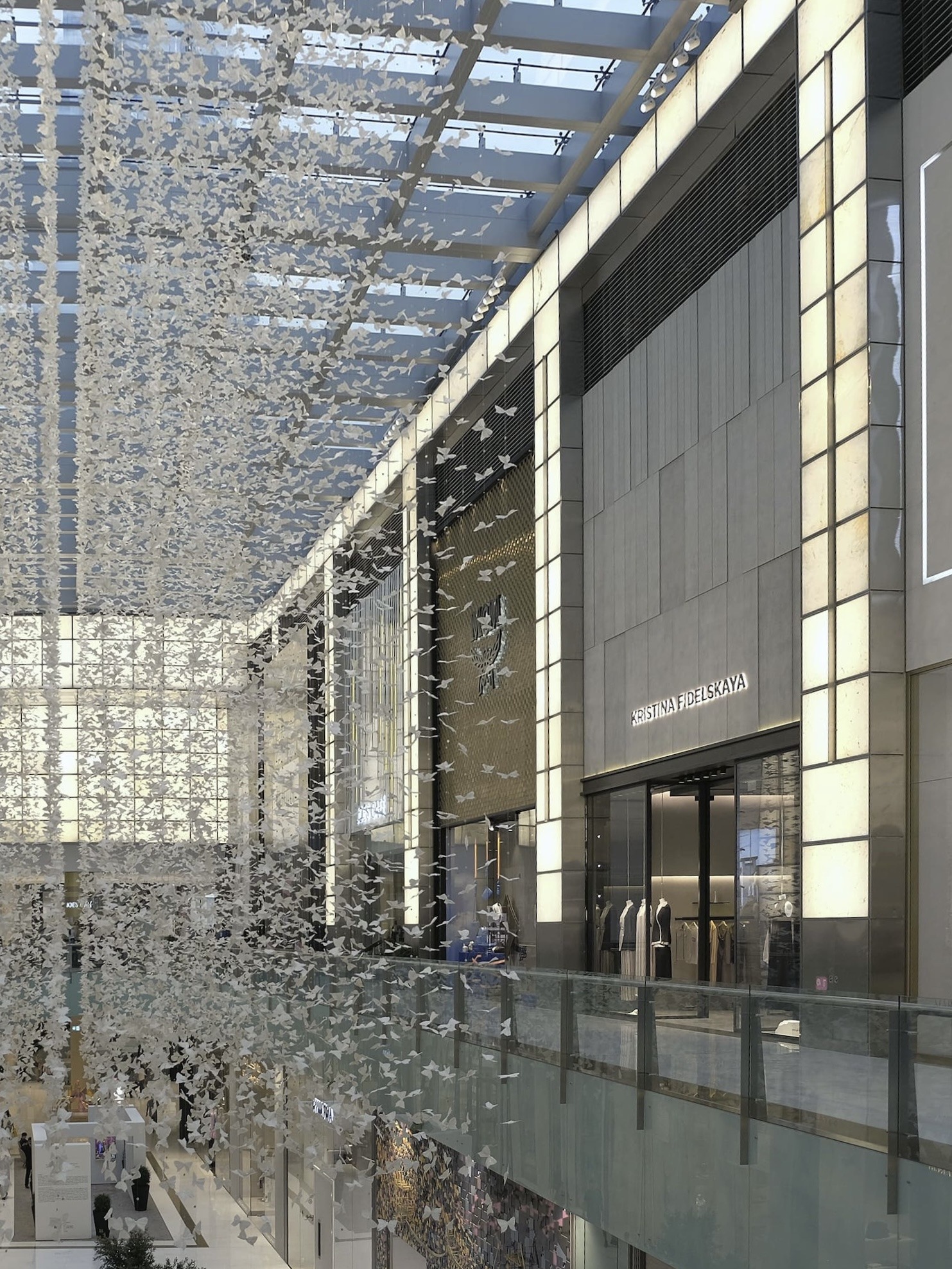
In Dubai, shopfront design is as important as the interior itself. The storefront must stop people without screaming. Successful shopfronts rely on strong proportions, controlled transparency, focused product storytelling, and lighting that works day and night. A good shopfront does not show everything. It shows just enough.
The shopfront operates between public and private spaces. It must attract attention while maintaining brand dignity. Proportion matters enormously. Generous proportions suggest confidence and quality. Cramped proportions undermine even the best products. One of the biggest mistakes in retail interiors UAE is disconnecting the shopfront from the interior concept. The transition should feel seamless. The customer should know what to expect before stepping inside. Consistency builds trust.
Composition: fewer products, stronger impact
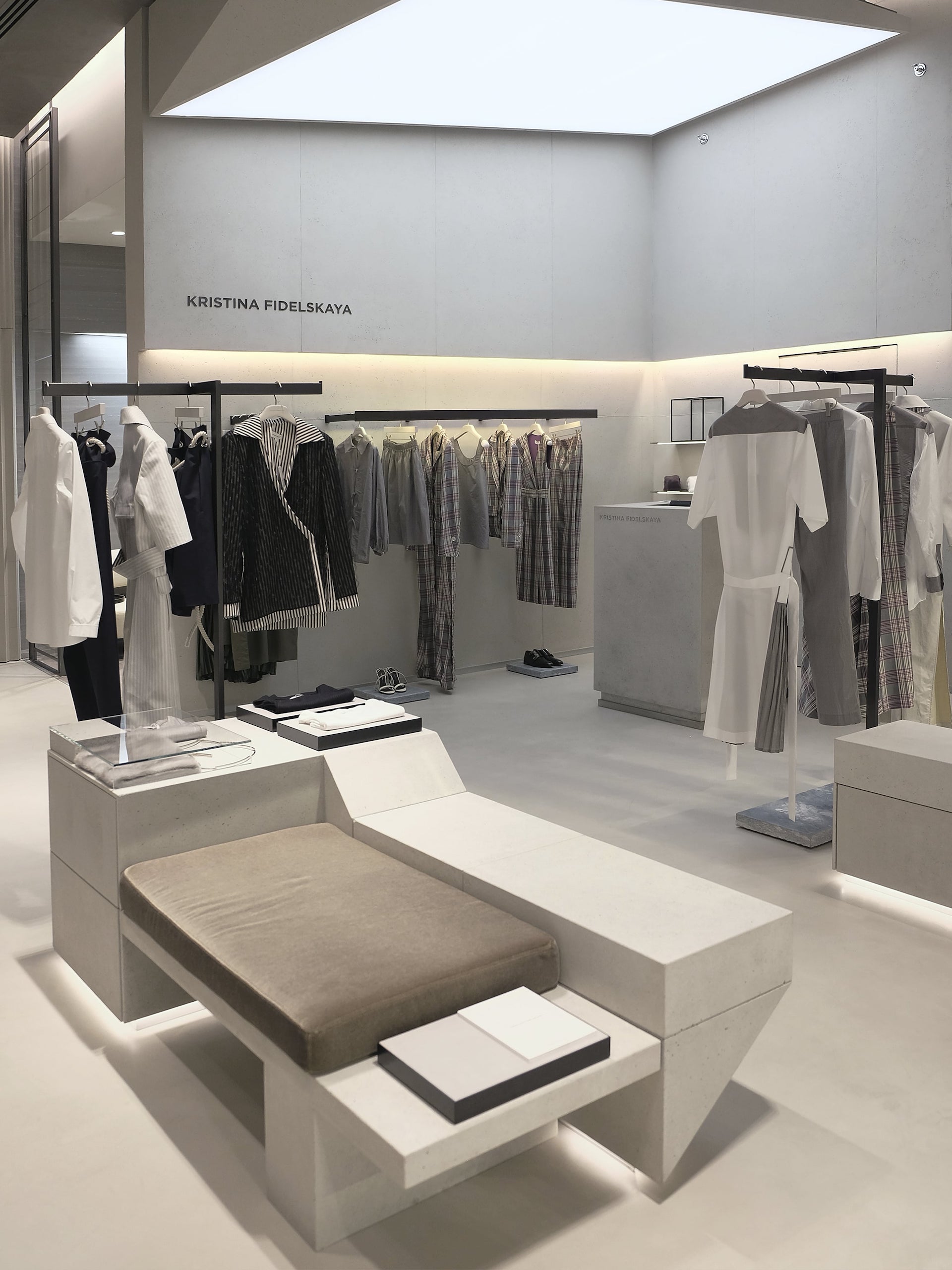
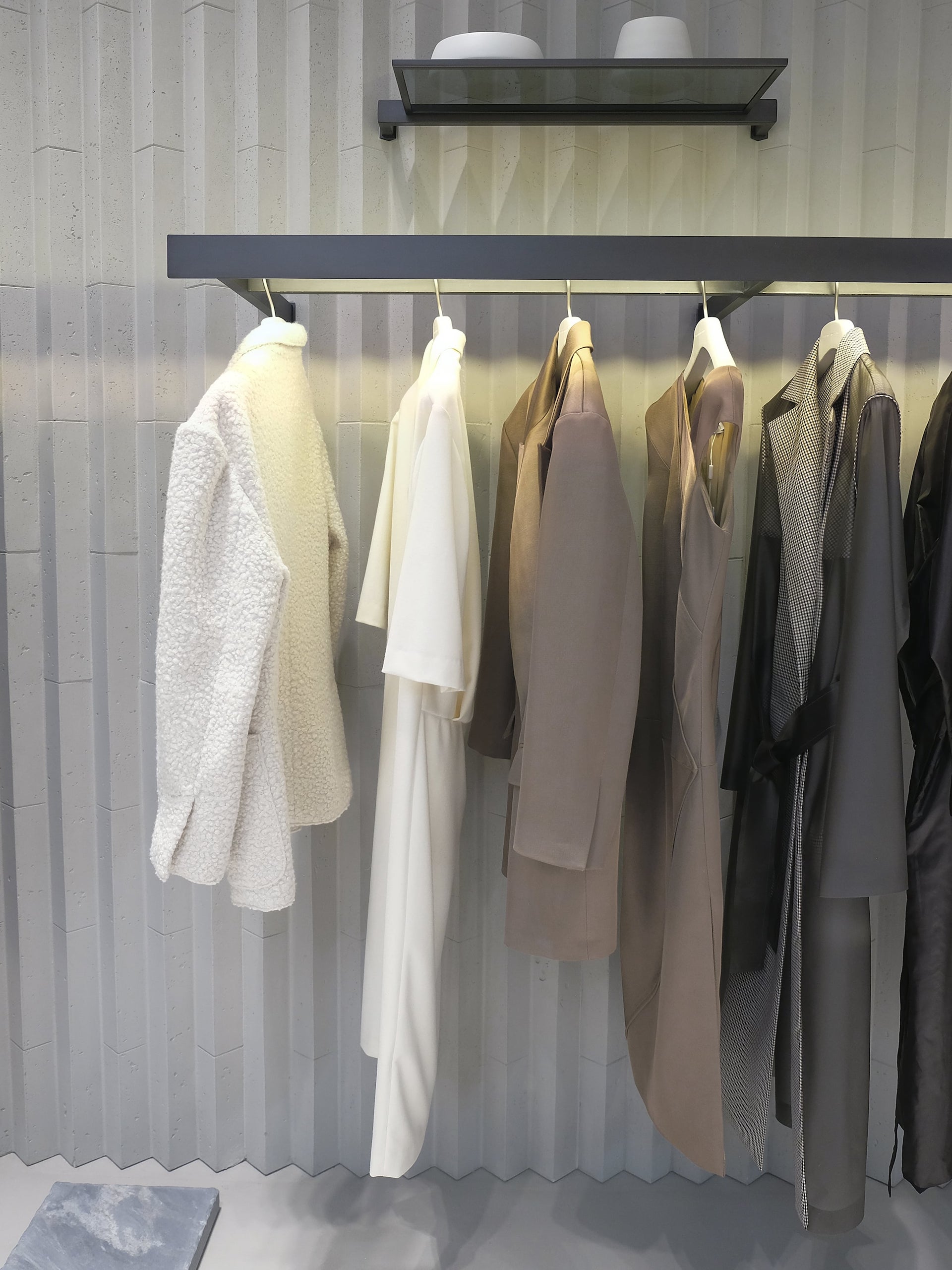
Dubai customers are visually sophisticated. Overloaded displays signal insecurity. Premium showroom design in Dubai favors fewer products on display, generous spacing, and clear focal points. Each product should feel chosen, not stocked. When products are densely packed, customers perceive them as commodities. When products are generously spaced, each item gains importance, and perceived value increases. Curated displays also reduce decision fatigue. Empty space is not wasted space. In high-end showrooms, it creates value. Breathing room around products allows customers to focus, compare, and imagine ownership. Negative space provides visual rest, creates emphasis, and communicates confidence.
Interactive elements: when technology supports the experience
Interactive displays, digital screens, and smart systems are common in Dubai showrooms, but the best ones are subtle. Technology should support product understanding, personalize the experience, and enhance rather than replace human interaction. Touchscreens, configurators, and AR tools work best when they feel optional, not mandatory.
The challenge with technology in retail interiors in the UAE is avoiding novelty for its own sake. Interactive elements must serve clear functional purposes. Product configurators increase purchase confidence. Digital catalogs support informed decisions. Virtual try-on tools reduce returns. The goal is not to impress. It is to connect. Retail interiors in the UAE succeed when interactivity deepens engagement instead of distracting from the product.
Showrooms for an international audience
Dubai showrooms rarely serve a single market. They speak to locals, tourists, investors, and international buyers at the same time. This requires cultural neutrality, intuitive design, and clear spatial logic. Good showroom design in Dubai does not rely on explanations. It works instinctively. Cultural neutrality does not mean blandness. It means avoiding design choices that favor one cultural perspective over others. Spatial layouts should feel logical to visitors from any background. Finding a way should work without text. Product organization should follow universal rather than culturally specific patterns.
Language considerations extend beyond signage. The space itself should communicate without requiring verbal or written explanation. Product quality should be evident through presentation. Brand positioning should be clear through environmental cues. Purchasing processes should be obvious through spatial organization. The international nature of Dubai’s market also demands attention to practical details. Payment systems must accommodate multiple currencies and methods. Staff should represent diverse backgrounds and language capabilities. Operating hours should serve different time zones and cultural schedules.
Common mistakes that undermine sales
Even high-budget showrooms fail if they make the most common mistakes, such as:
- lighting is decorative instead of functional
- too many materials compete for attention
- products are overcrowded
- the shopfront oversells and underdelivers inside
- technology feels forced
A premium showroom is calm, controlled, and confident. Additional mistakes include neglecting maintenance systems, which causes showrooms to degrade visibly within months. Poor acoustic design, which creates uncomfortable noise levels in hard-surfaced spaces. Inadequate climate control, which affects both customer comfort and product preservation. Inflexible layouts, which prevent seasonal updates or collection changes.
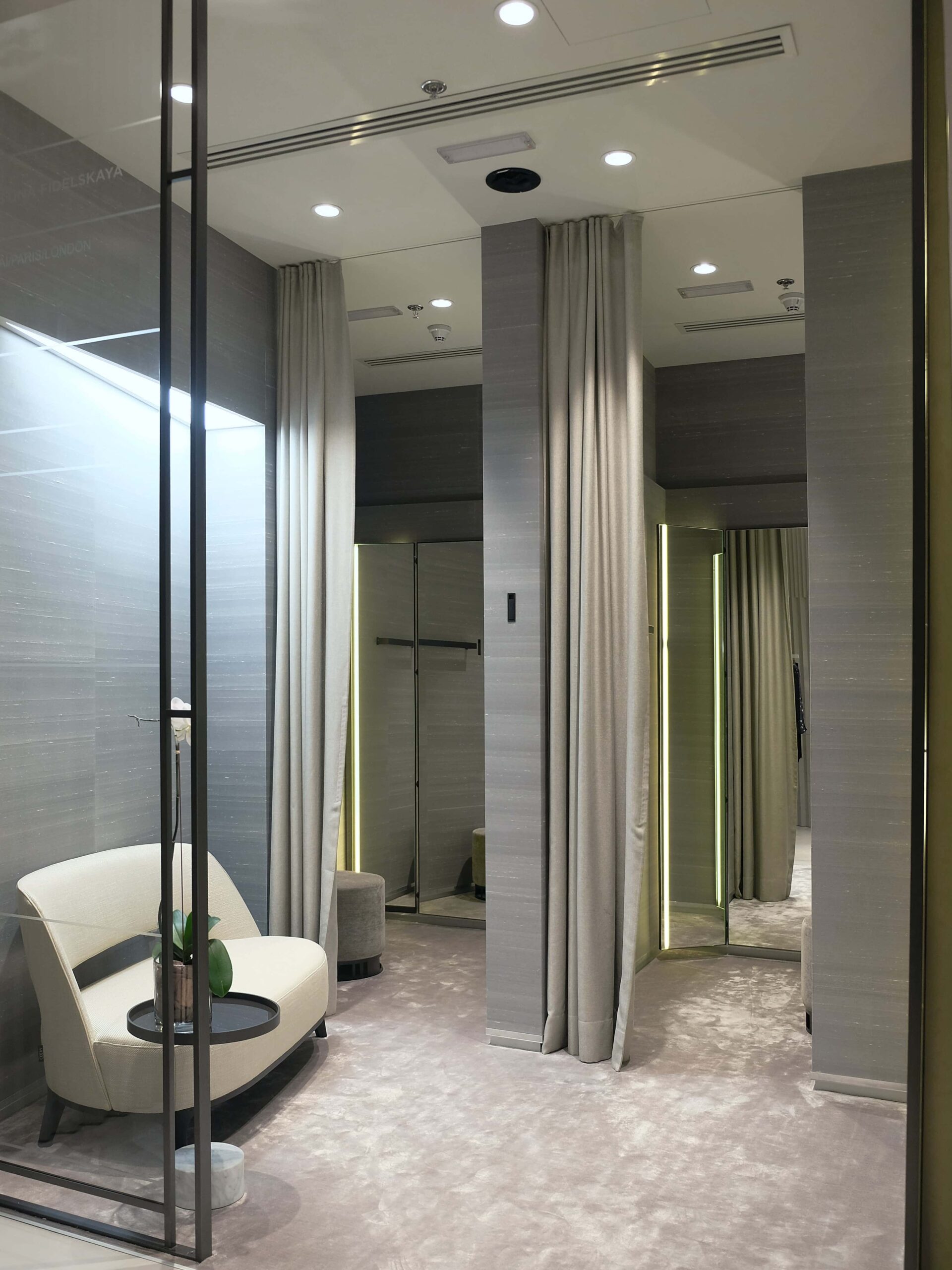
Storage integration often fails. When back-of-house areas are inadequate, inventory spills into customer-facing spaces, destroying the curated atmosphere. Staff areas matter too. Uncomfortable or poorly located staff zones reduce service quality and employee satisfaction. The biggest strategic mistake is designing for current collections without anticipating change. Product lines evolve, brand directions shift, and retail strategies adapt. Showrooms should have architectural flexibility built into their structure, allowing updates without complete renovation.
The most successful showrooms in Dubai do not try to sell aggressively. They create an environment where buying feels natural. Through strong design, precise lighting, thoughtful composition, and intelligent shopfront design in Dubai, a showroom becomes more than a retail space. It becomes a brand experience. In a city where expectations are high, effortlessness is the ultimate luxury. This effortlessness comes from deep expertise, careful planning, and attention to countless details that customers never consciously notice. When architecture, lighting, circulation, product presentation, and technology all align, they create conditions where purchasing decisions emerge naturally. For brands entering Dubai or updating existing showrooms, the lesson is clear: invest in fundamentals instead of short-term effects, prioritize clarity over complexity, and remember that the most powerful selling environments are those that feel effortless to the people using them.