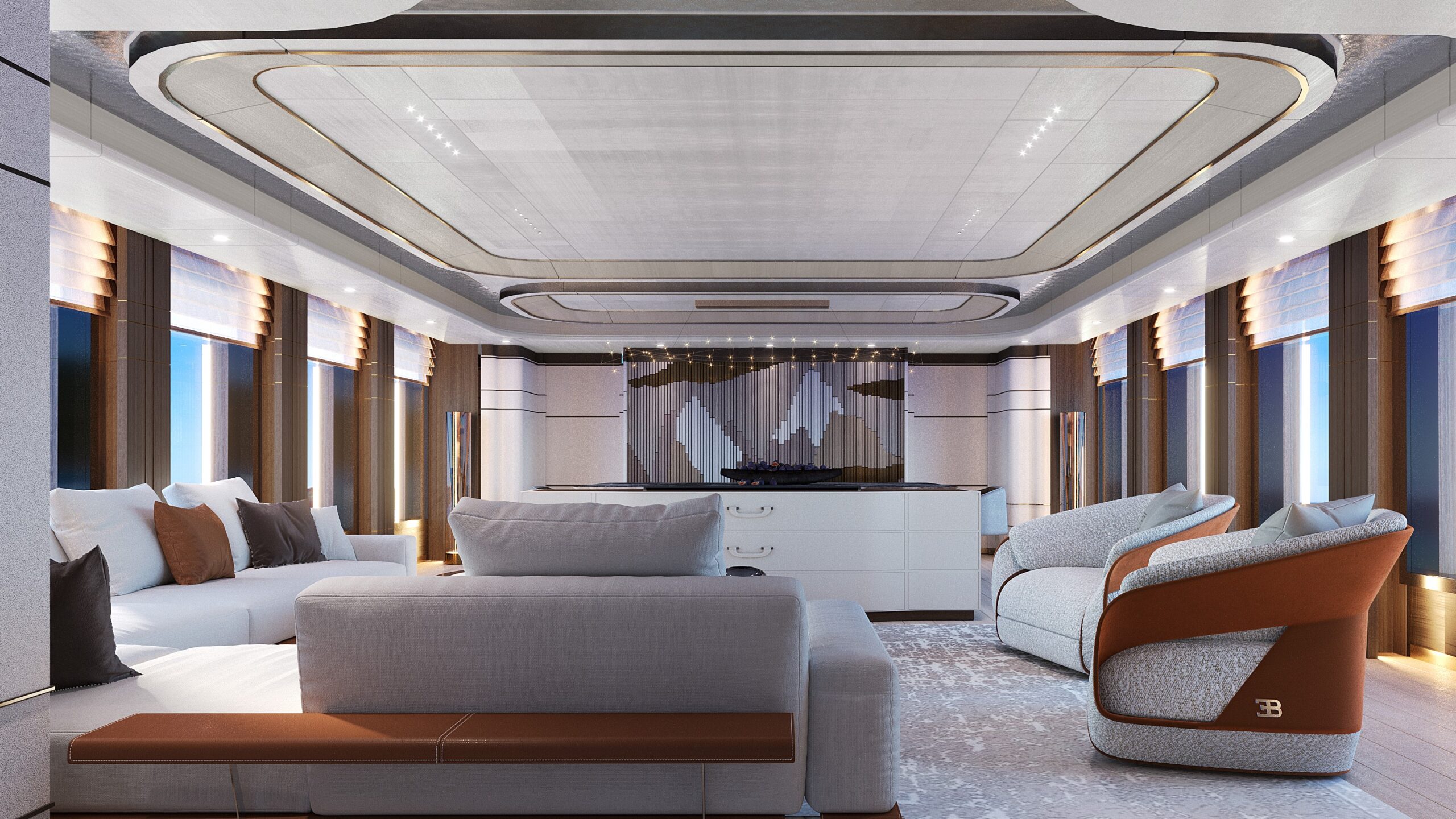
A yacht refit is often described as a single type of project. In reality, it is driven by entirely different circumstances.
For some owners, it begins with the acquisition of a yacht — an intention to adapt the space to a new lifestyle and a different standard of comfort. In other cases, it follows years of intensive use within the active UAE market. Everyday life on board, combined with the region’s intense heat, UV exposure, and high salinity, gradually reveals functional limitations, aging technical systems, and accelerated wear that make the experience feel less effortless.
There are also moments when a structurally exceptional yacht simply no longer reflects its era, with materials and design language feeling out of step with contemporary standards.
Despite these different starting points, all are commonly called a yacht refit. Yet, without a precise understanding of what truly needs to change, owners often commit to unnecessary transformations or limit the project to superficial upgrades that leave underlying core issues unresolved, resulting in missed opportunities.
What Yacht Refit Really Means
Often in the maritime industry, the term encompasses almost any shipyard activity. Standard upkeep, class surveys, parts replacement, minor interior styling, and exterior polishing are casually lumped together.
However, the intent behind these actions varies immensely. Standard upkeep simply freezes the vessel in its present state. It guarantees operational safety, meets legal codes, and mitigates natural wear, yet it never fundamentally elevates the vessel. In places like Dubai Marina, where yachts see relentless action, this upkeep is constant but entirely separate from genuine evolution.
A proper yacht refit transcends mere maintenance. Instead of sustaining the status quo, it strategically re-evaluates the vessel’s future capabilities. Depending on the overarching goal, this process might completely redefine the yacht interior, modernize the engineering, optimize deck logistics, or completely revolutionize the maritime lifestyle. Therefore, it is a mistake to view refits as a monolithic service; they are a diverse array of targeted enhancements driven by long-term ownership strategies.
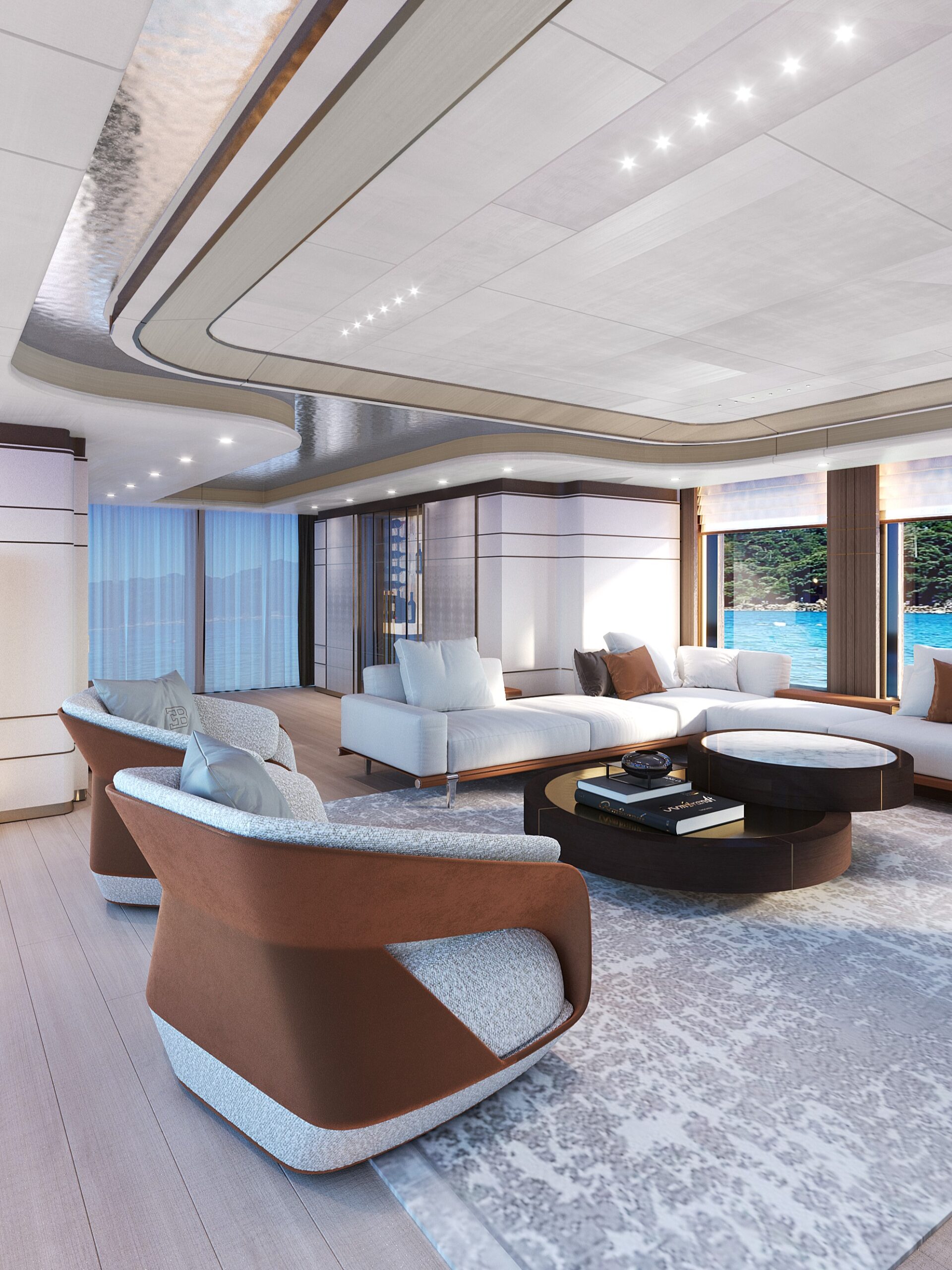
The Three Levels of Yacht Refit
Every yacht refit is fundamentally unique. The specific age of the vessel, its current technical condition, the evolving priorities of the owner, and its intended operational profile all dictate the necessary scope of work. A yacht preparing for a rigorous commercial charter season requires a vastly different approach than one being carefully tailored for private family cruising.
Yet, despite the highly individualized nature of these variables, the most coherent projects naturally organize themselves into a structured framework of three distinct levels. It is crucial to note that this categorization is not dictated by financial budgets, the duration of shipyard works, or the overall length of the yacht. Instead, the distinction is determined entirely by the underlying intent of the transformation — the core purpose behind the project and the specific nature of the value being added to the vessel.
Without such a framework, the planning phase can easily lose its direction. Owners may find themselves overwhelmed by isolated choices, struggling to align aesthetic desires with engineering realities. This disconnect frequently leads to disproportionate spending in areas that look impressive on paper but do not significantly alter the actual usability of the space.
By clearly defining the exact tier of intervention before the project begins, all stakeholders — from the design team to shipyard management — gain a unified vision. Understanding these different levels of yacht refit allows owners to establish realistic expectations, allocate investments with absolute precision, and maintain an unwavering focus on the specific modifications that will have the greatest, most enduring impact on everyday life on board.
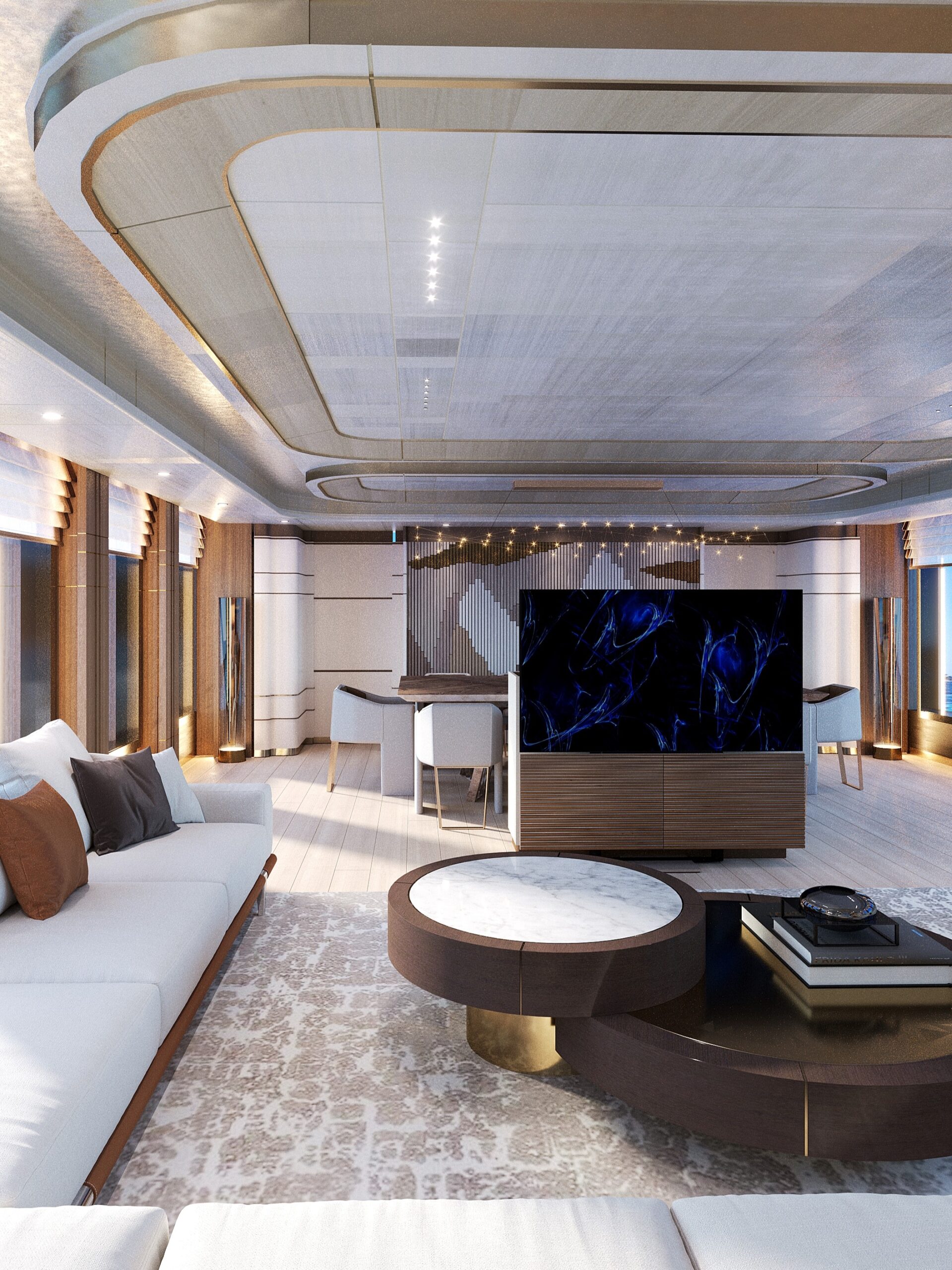
Level 1 — Soft Refit / Seasonal Refresh
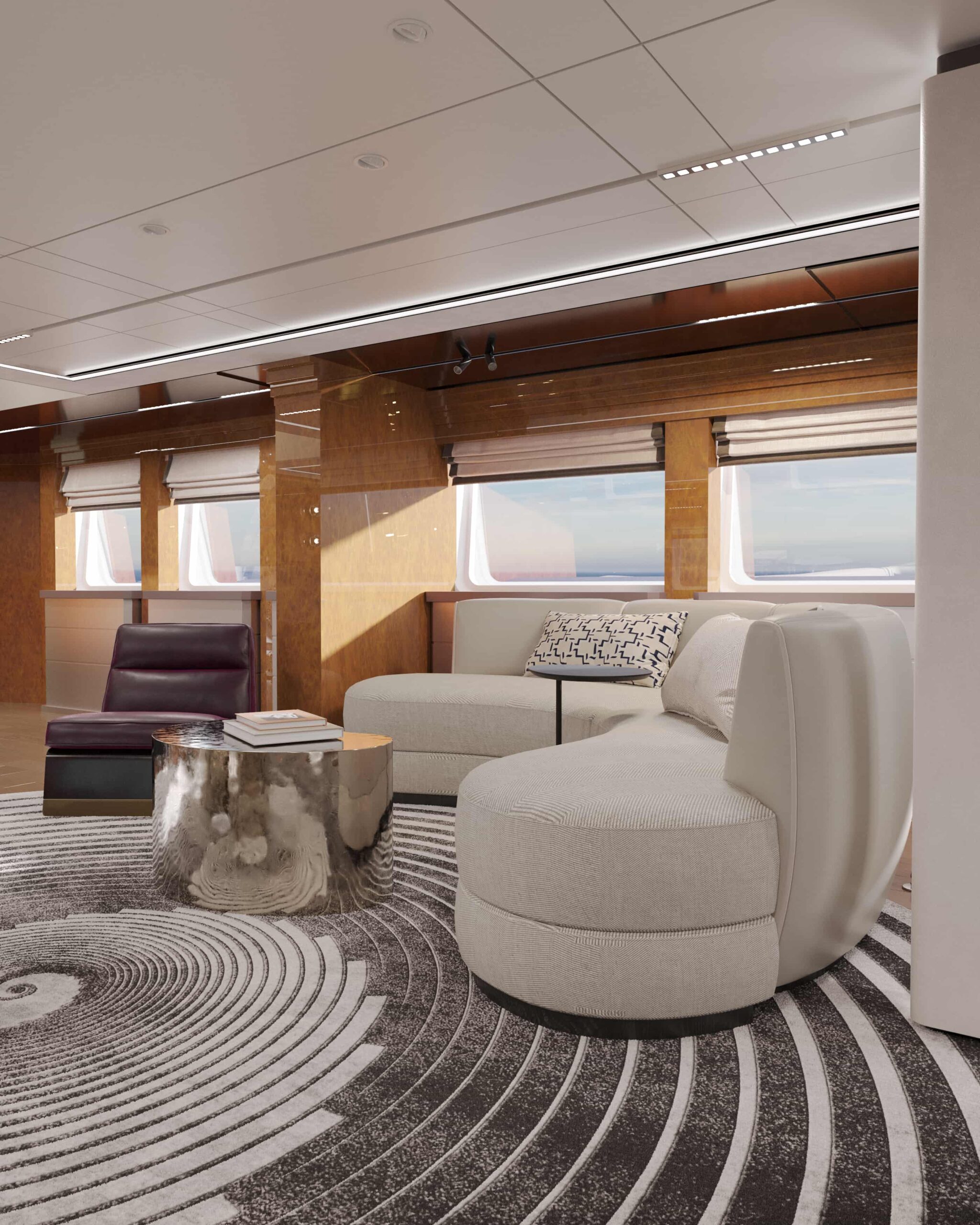
This introductory tier of vessel upgrade prioritizes sensory experience over structural demolition. Rather than knocking down bulkheads or extracting heavy machinery, a seasonal refresh revitalizes the nuanced elements that dictate the mood of the interior and exterior living areas — premium materials, marine-grade textiles, outdoor cushions, freestanding furnishings, tactile surface finishes, and advanced illumination.
Owners frequently opt for this cosmetic yacht refit when gearing up for a bustling charter season in Dubai, preparing for the upcoming Dubai International Boat Show, or when seeking a modernized ambiance without pulling the yacht out of service for extended periods.
Even though the physical alterations are minimal, the sensory impact is remarkably potent. A meticulously curated palette of finishes, rich textures, balanced color schemes, and sophisticated lighting design possesses the power to entirely shift spatial perception, establishing a highly contemporary, unified, and inviting atmosphere capable of enduring the Gulf climate.
A frequent misunderstanding is that this tier is strictly superficial. In truth, a highly intentional yacht interior upgrade fundamentally alters the emotional resonance of a space well before any structural interventions are required. Instead of forcing aggressive alterations, a soft refresh elegantly sharpens the existing foundation, granting the vessel a rejuvenated presence while safeguarding its core identity.
Level 2 — Functional Refit
The longer an owner navigates the UAE coastlines, the more apparent it becomes that a vessel’s primary constraints are often rooted in function rather than form. Maritime habits shift, the needs of guests transform, and environments that originally seemed optimal may no longer facilitate actual usage patterns.
A functional yacht refit targets these tangible daily interactions. Rather than erasing the yacht’s visual signature, it hones its operational efficiency. This can include redesigning the flow between entertainment zones, engineering smarter storage capacities, altering exterior deck layouts, enhancing shading structures for outdoor lounges, or embedding cutting-edge climate control systems that streamline onboard living.
A large portion of these enhancements remains virtually undetectable once the shipyard work concludes. Yet, their influence on habitability is immense. A logically restructured layout accelerates crew service. Fluid circulation paths minimize awkward foot traffic. Strategically designed storage eradicates visual chaos. Upgraded acoustic insulation and climate technology yield environments that are significantly more serene and effortless to inhabit.
Owners frequently assume a larger vessel is the answer, when the actual requirement is superior architectural clarity within their current footprint. An effective functional upgrade is rooted in the deep observation of human behavior, pinpointing areas where circulation is congested, privacy is breached, or external decks fail against the local climate. The goal is never arbitrary redesign, but the systematic elimination of friction from daily maritime life.
Level 3 — Full Refit
At the pinnacle of the spectrum, a major superyacht refit transcends standard design parameters. It is an exhaustive metamorphosis allowing owners to completely redefine a vessel’s visual language, its operational capabilities, its tactile experience, and its longevity for the decades ahead.
In this realm, aesthetic architecture and heavy engineering are deeply intertwined. Shifting a primary stairwell impacts naval structural integrity; reconfiguring lower-deck cabins demands complex ventilation rerouting; and replacing yacht decking or installing extensive wellness suites requires massive electrical and plumbing overhauls. This interconnected reality is why such extensive work is managed as a unified, highly synchronized operation within a professional refit shipyard.
Diverging from lighter interventions, this tier merges spatial architecture, exterior styling modifications, heavy machinery upgrades, and total layout restructuring into one master plan. Entire decks might be reimagined, master suites expanded, state-of-the-art technical networks installed, and the vessel brought up to the most rigorous contemporary classification standards.
This magnitude of work also presents a unique chance to inaugurate a new era for the vessel. It frequently accompanies a prominent acquisition, a strategic pivot into the luxury charter market, or the execution of a radically different philosophy for life at sea.
For numerous owners in the UAE, an exhaustive transformation is a definitive strategy to future-proof their asset. Instead of reacting to immediate inconveniences, the project proactively accommodates forthcoming technological shifts, changing regulations, and evolving maritime lifestyles. Executed with total cohesion, a comprehensive transformation yields far more than an updated boat. It produces a vessel that feels intentionally conceived around the owner’s exact lifestyle, rather than merely modified to fit it.
Who Shapes a Yacht Refit
A triumphant yacht renovation is never born from a solitary viewpoint. It is inherently a multidisciplinary alliance, uniting elite professionals from diverse sectors, each delivering crucial expertise to forge the ultimate result.
Captains and dedicated yacht managers supply critical operational intelligence, knowing precisely how the vessel reacts to daily demands and the local climate. Shipyards and technical contractors manage the physical construction and structural integrity. Marine engineers guarantee that modern additions merge flawlessly with legacy networks. Designers take this massive influx of technical data and translate it into environments that are highly logical, architecturally clear, and beautiful to inhabit.
The design team’s mandate stretches far beyond selecting finishes. They act as the central nervous system of the project, harmonizing cross-disciplinary decisions to ensure that mechanical necessity, operational flow, and aesthetic vision mature as a singular, unified concept rather than a fragmented series of fixes.
The true difficulty of a major upgrade is that no single action is isolated. A seemingly superficial ceiling modification can disrupt structural beams, HVAC ducting, or future accessibility. Conversely, mandatory mechanical modernizations frequently unlock unexpected architectural possibilities to elevate the overarching spatial experience. Consequently, the most elite renovations commence with a unified master vision rather than a disjointed checklist.
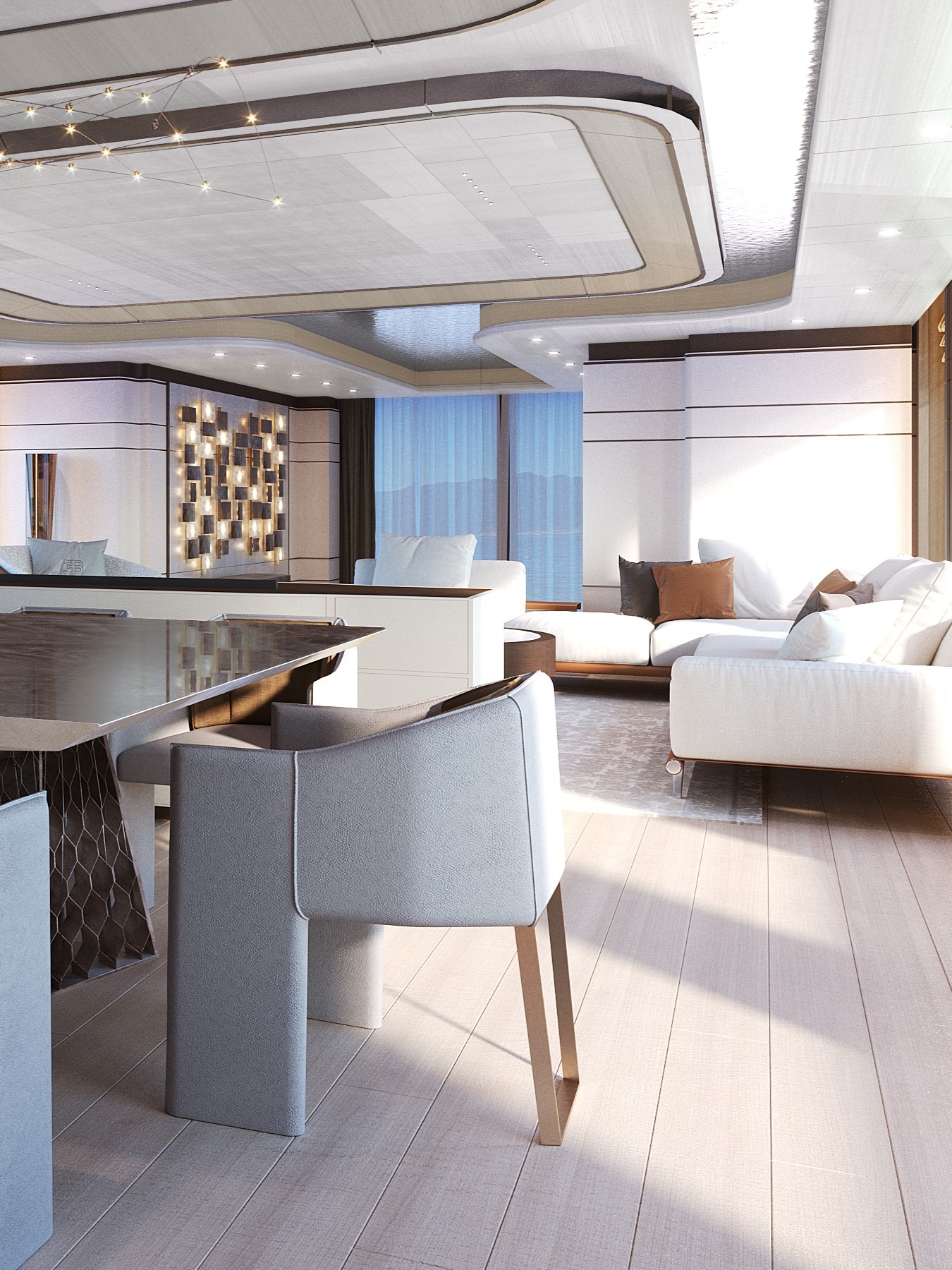
Choosing the Right Level of Yacht Refit
Determining the exact depth of an upgrade is rarely about maximizing the sheer volume of work. It is fundamentally about recognizing which specific alterations will generate the highest tangible value for the vessel’s actual daily operation.
Committing to the appropriate scope should not be dictated by budget alone. Depending on the owner’s strategic long-term vision, a single vessel might be perfectly served by a nuanced atmospheric refresh, a targeted ergonomic restructuring, or a sweeping total transformation.
In certain scenarios, a meticulously executed soft upgrade is entirely sufficient to modernize the ambiance and prolong the interior’s relevance for years. In other situations, resolving ergonomic bottlenecks delivers a much higher return on investment than merely swapping out veneers. And occasionally, a complete structural metamorphosis is the only viable path to ensure the yacht can accommodate a fundamentally new philosophy of maritime living.
The most exceptional projects start by defining the genuine operational goal, not the size of the undertaking. Once the intent is crystallized, every subsequent choice becomes highly intentional, capital is deployed with maximum efficiency, and the end product is exceptionally
Conclusion
Every vessel enhancement originates from the ambition to elevate. The ultimate measure of success is not the magnitude of the endeavor, but the precision with which every modification aligns with the human experience on board.
A finely tuned soft upgrade can radically modernize the sensory atmosphere. A functional restructuring can revolutionize daily convenience without erasing the vessel’s heritage. And a complete architectural transformation grants the power to reinvent every facet of the maritime journey — from naval engineering and spatial logic to cutting-edge technology and aesthetic purity.
There is no generic formula applicable to every hull or every individual. The correct trajectory is always dictated by the yacht’s current state, the distinct ambitions of its owner, and the specific legacy they wish to build on the water in the coming years. Choosing the correct scale of intervention is ultimately about strategic alignment, ensuring the vessel continues to perfectly support the life unfolding upon it.
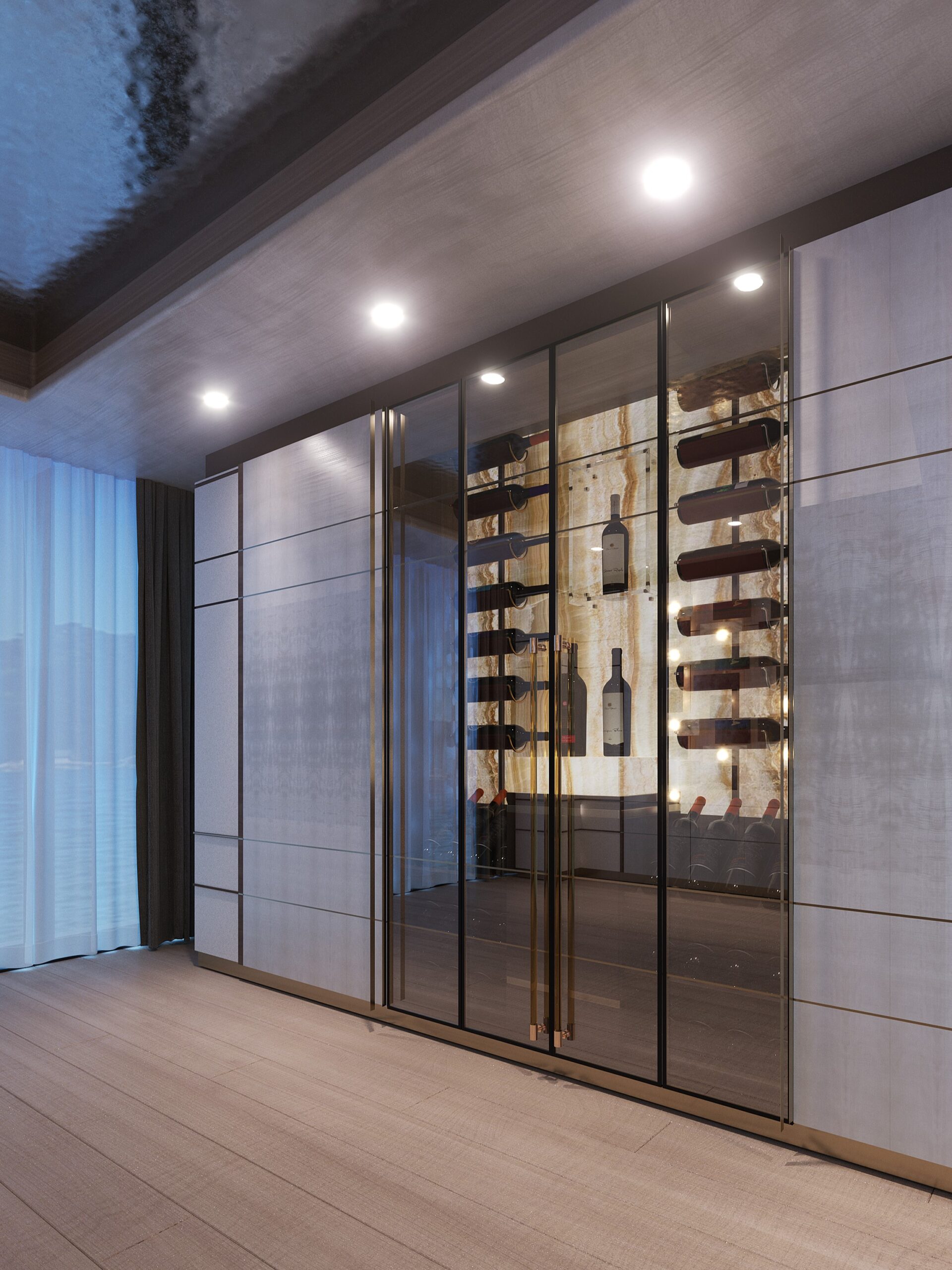
OLT DESIGN Insight
The true value of a refit is not measured by the scale of the transformation, but by the quality of life it delivers. We believe that great design does not just adapt a yacht to a new owner — it makes the vessel feel purposefully built for them. Our goal is to design not just for the upcoming season, but for the years of meaningful experiences ahead, prioritizing architectural clarity and functional integrity to create spaces that continue to feel relevant long after the project is complete.