Soundproofing and Acoustic Design for Home Music Studios and Theaters
Creating the perfect soundproofing and acoustic design for home music studios and theaters is crucial for achieving high-quality audio and an immersive listening experience. Without proper acoustic insulation panels and soundproofing, external noise can interfere with recordings, and uncontrolled sound reflections can distort audio playback. Whether you’re a musician, content creator, film enthusiast, or sound engineer, the way sound behaves in space plays a vital role in the final audio output.
While many people think of soundproofing a home studio and acoustic treatment as interchangeable, they serve different purposes. A soundproof music studio requires specialized materials to block external noise and prevent sound from escaping, whereas acoustic panels for studio settings help control reflections, reverberations, and frequencies to enhance sound clarity. Combining these two elements effectively creates an optimal environment for home theaters and recording studios, ensuring crystal-clear audio and a professional listening experience.
This guide explores how to implement soundproofing solutions and acoustic treatment effectively, offering practical advice and the best materials for noise control and sound optimization.
Benefits of Proper Soundproofing and Acoustic Design
Proper soundproofing home theater and acoustic design provide multiple advantages for home music studios and theaters, transforming an ordinary space into a high-performance audio environment. By focusing on room acoustics optimization, you can minimize unwanted echoes and reverberations, ensuring a more balanced and immersive sound experience. Additionally, implementing acoustic treatment studio techniques enhances audio clarity, making it easier to achieve professional-quality sound for both recording and playback.
Improved Sound Quality and Clarity
A well-treated room with acoustic panels for a studio ensures that sound is clear, balanced, and accurate. Without acoustic treatment, sound waves reflect off hard surfaces, creating echoes, reverberation, and distortion. This is particularly problematic for home recording studios, where uncontrolled reflections can compromise audio quality.
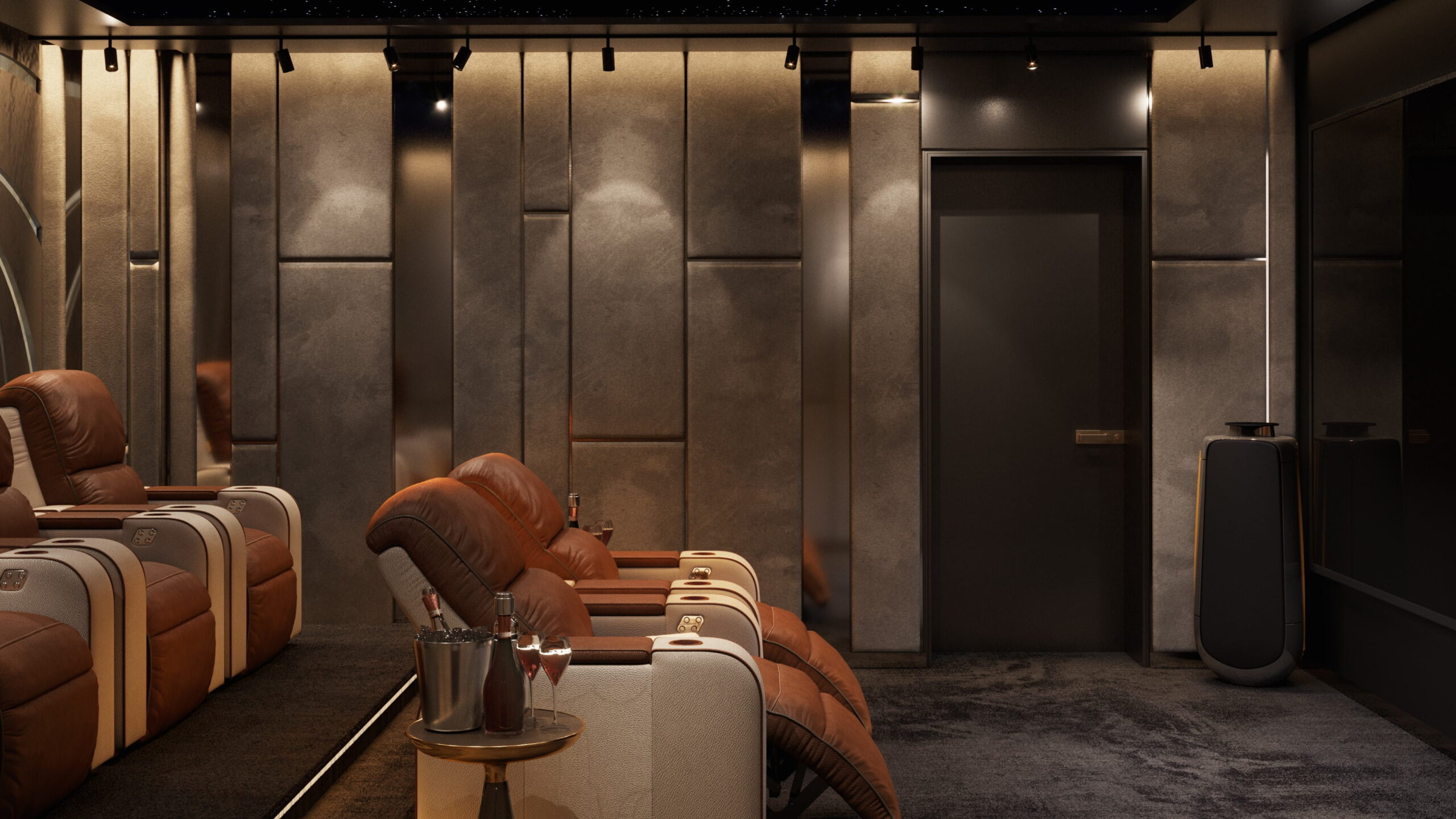
For home theaters, proper home theater acoustics enhance dialogue clarity, make sound effects more impactful, and ensure even audio distribution. Sound-absorbing materials such as fabric wall panels and sound-isolating home studio panels help eliminate unwanted echoes, ensuring a cinematic sound experience.
Noise Reduction and Privacy
One of the primary reasons for soundproofing a home studio is to minimize external noise and prevent sound leakage. Whether you’re recording music, mixing tracks, or watching movies at high volumes, soundproofing ensures that outside noise doesn’t interfere with your experience — and that your activities don’t disturb others.
Using the best soundproof materials, such as mass-loaded vinyl (MLV), dense insulation, and soundproof doors, can significantly improve noise isolation. For a soundproof music studio, combining multiple layers of acoustic insulation panels and absorptive materials is key to achieving professional sound control.
Key Elements of Soundproofing and Acoustic Design
Creating an acoustically optimized space requires a combination of soundproofing music solutions and an acoustic treatment studio. Here’s how different elements work together to improve sound control in home theater acoustics:
Acoustic Panels and Insulation
Acoustic insulation panels play a crucial role in controlling sound reflections and reducing unwanted noise. Without them, sound waves bounce around the room, creating an unbalanced and unclear audio experience. The right combination of acoustic panels for studio, bass traps, and soft materials ensures that sound is absorbed, rather than scattered, leading to a more precise and controlled environment.
- High-density foam panels — these are particularly effective at absorbing mid-to-high frequencies, which helps eliminate unwanted echoes and sharp sound reflections. When properly positioned on walls and ceilings, these panels create a more controlled sound environment, making music recording and home theater audio more precise and enjoyable.
- Bass traps — low-frequency sounds can build up in room corners, leading to a muddy and boomy sound. Bass traps are specifically designed to absorb and control these frequencies, ensuring a well-balanced sound that is crucial for music production and film audio.
- Fabric-covered panels — in home theaters, where speech clarity is essential, fabric-covered panels can help absorb unwanted reflections while enhancing the warmth and natural tone of dialogue. These panels are also aesthetically pleasing, seamlessly blending with home decor while improving acoustics.
Soundproofing Materials for Home Studios and Theaters
Selecting the best soundproof materials ensures a significant reduction in sound transmission. These materials work together to prevent noise from entering or leaving a room, ensuring that external sounds do not interfere with music production or movie-watching experiences.
- Mass-loaded vinyl (MLV) — this dense, flexible material is used as a soundproof barrier in walls, floors, and ceilings. It is highly effective in blocking sound transmission and is commonly used in professional recording studios to maintain sound integrity.
- Resilient channels — these metal channels help decouple drywall from the building’s structure, reducing vibrations and preventing sound from traveling through walls. They are particularly useful in soundproof music studio setups, where vibrations from instruments can easily transfer through standard walls.
- Soundproof insulation (rock wool, fiberglass) — by adding mass and absorbing sound waves, these materials reduce noise bleed between rooms. Rock wool, in particular, is known for its high-density properties, making it an excellent choice for soundproofing music studios and home theaters.
- Acoustic sealant — sound can escape through even the smallest gaps and cracks. Acoustic sealants are used around windows, doors, and wall joints to ensure that sound leaks are minimized. This is a crucial step in soundproofing a home studio or theater, as even minor gaps can significantly reduce the effectiveness of other soundproofing measures.
A soundproof home studio benefits from combining multiple soundproofing techniques, including insulation, floating floors, and double-layer drywall. This layered approach ensures maximum noise isolation, allowing musicians to record and practice without external interruptions.
Acoustic Treatment for Home Music Studios and Theaters
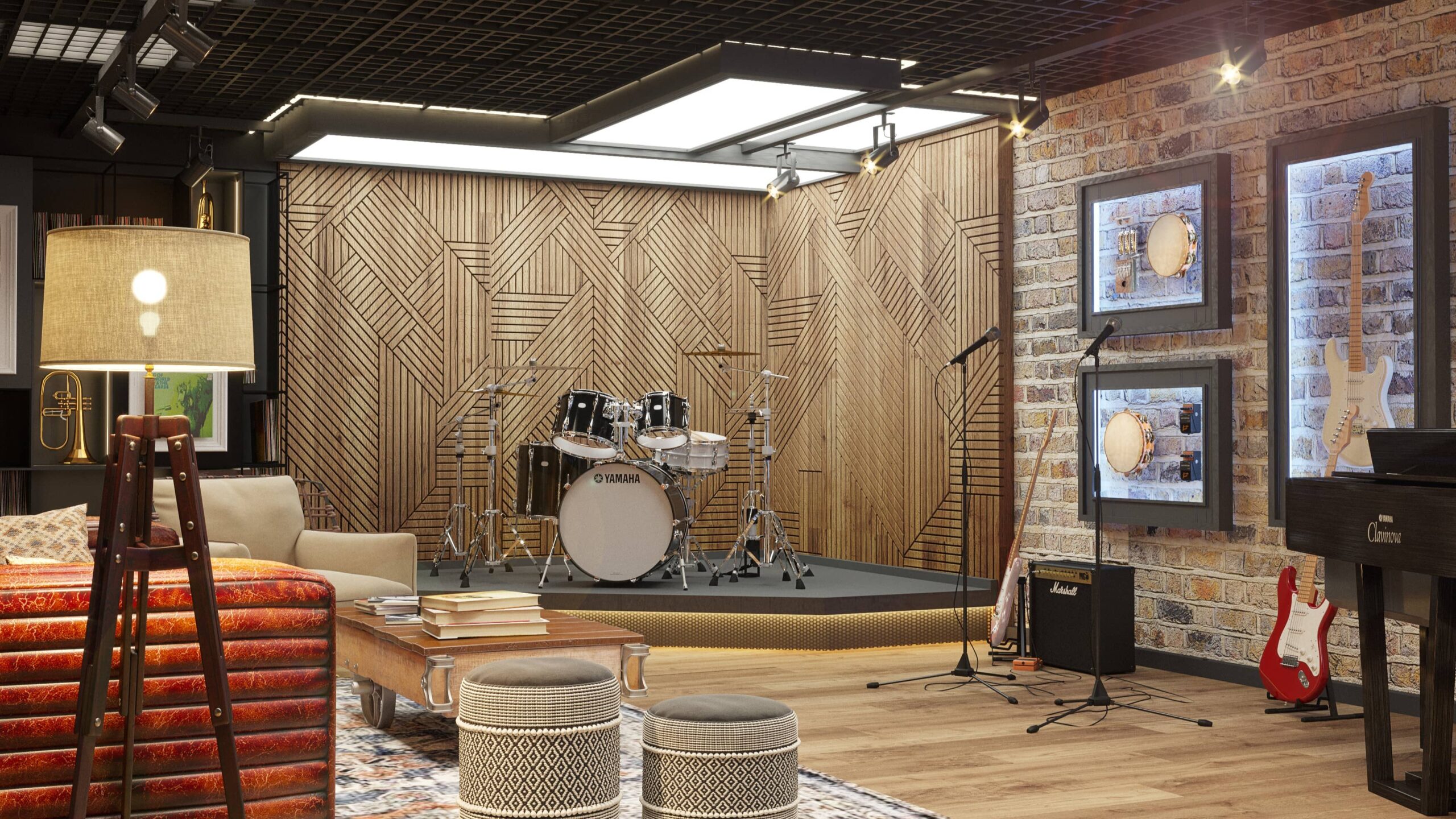
Acoustic treatment studio techniques are essential for refining the sound environment in home studios and theaters. By addressing reflections and focusing on room acoustics optimization, these treatments help control reverberations and eliminate unwanted sound distortions. Moreover, enhancing home theater acoustics ensures a more immersive and balanced audio experience, whether for music production, film watching, or professional recording.
Optimizing Room Acoustics for Clearer Sound
Room acoustics optimization involves strategically placing acoustic panels, diffusers, and bass traps to create a balanced sound field. This prevents excessive echo while preserving the natural characteristics of the sound. Without proper treatment, a room can introduce unwanted coloration to the audio, making it difficult to achieve accurate sound reproduction.
For a home studio, the key is to control early reflections and minimize unwanted reverberation. This ensures that the audio remains true to its original source without being altered by the room’s acoustics. Essential acoustic treatment solutions include:
- Absorbers on walls — these panels prevent sound waves from bouncing off hard surfaces, reducing echoes and improving clarity.
- Bass traps in corners — low-frequency sound tends to accumulate in corners, causing an unbalanced sound. Bass traps absorb these frequencies, helping create a more accurate audio environment.
- Diffusers — unlike absorbers, which soak up sound, diffusers scatter sound waves evenly. This prevents dead spots in a room while maintaining a natural and dynamic sound.
For better sound isolation in home studios incorporate soft materials such as carpets, heavy curtains, and upholstered furniture. It can further reduce unwanted reflections. These elements work together to create an immersive and well-balanced soundscape that enhances movie-watching experiences.
Specialized Solutions for Different Room Types
Different spaces require tailored acoustic treatment to achieve optimal sound quality. It may include:
- Soundproof home studio — focus on sound isolation with dense insulation, heavy doors, and acoustic panels to ensure that music production is not affected by external noise.
- Home theater acoustics — prioritize sound absorption and diffusion for a cinema-like experience, ensuring that dialogue remains clear while immersive sound effects are properly distributed.
- Multipurpose rooms — use modular acoustic panels that can be adjusted based on use, allowing flexibility in sound control.

Advanced Soundproofing Solutions for Maximum Efficiency
Modern soundproofing technology offers innovative ways to enhance acoustic performance while maintaining aesthetic appeal. By integrating acoustic insulation panels, homeowners can significantly reduce noise interference and improve sound clarity. Whether designing a soundproof music studio for professional recordings or implementing soundproofing home theater solutions for an immersive cinematic experience, using high-quality materials and smart technology enhances both functionality and convenience.
Using Eco-Friendly and Sustainable Materials
Sustainability is becoming increasingly important in acoustic. The best soundproof materials now include a range of eco-friendly options designed to minimize environmental impact while delivering exceptional acoustic performance. Recycled denim insulation, for example, is a highly effective and sustainable alternative to traditional fiberglass, offering excellent noise reduction while being free from harmful chemicals. Natural wool panels provide superior sound absorption, helping to control reverberation and echoes while also regulating indoor humidity. Bamboo-based acoustic treatments are another innovative choice, combining durability, aesthetic appeal, and strong acoustic properties. In addition to these sustainable materials, high-quality acoustic panels for studio setups are now available in eco-conscious designs, providing both professional-grade sound control and a commitment to environmental responsibility.
Smart Home Integration for Acoustic Control
Modern technology allows homeowners to integrate smart home systems for enhanced acoustic control. Soundproofing home theaters can now benefit from automated acoustic panels that adjust based on the audio output. Acoustic treatment studio designs may include AI-driven equalization systems that optimize sound settings in real time. Smart home integration ensures that soundproofing and acoustic treatment adapt to changing needs, providing the best possible listening and recording experience.
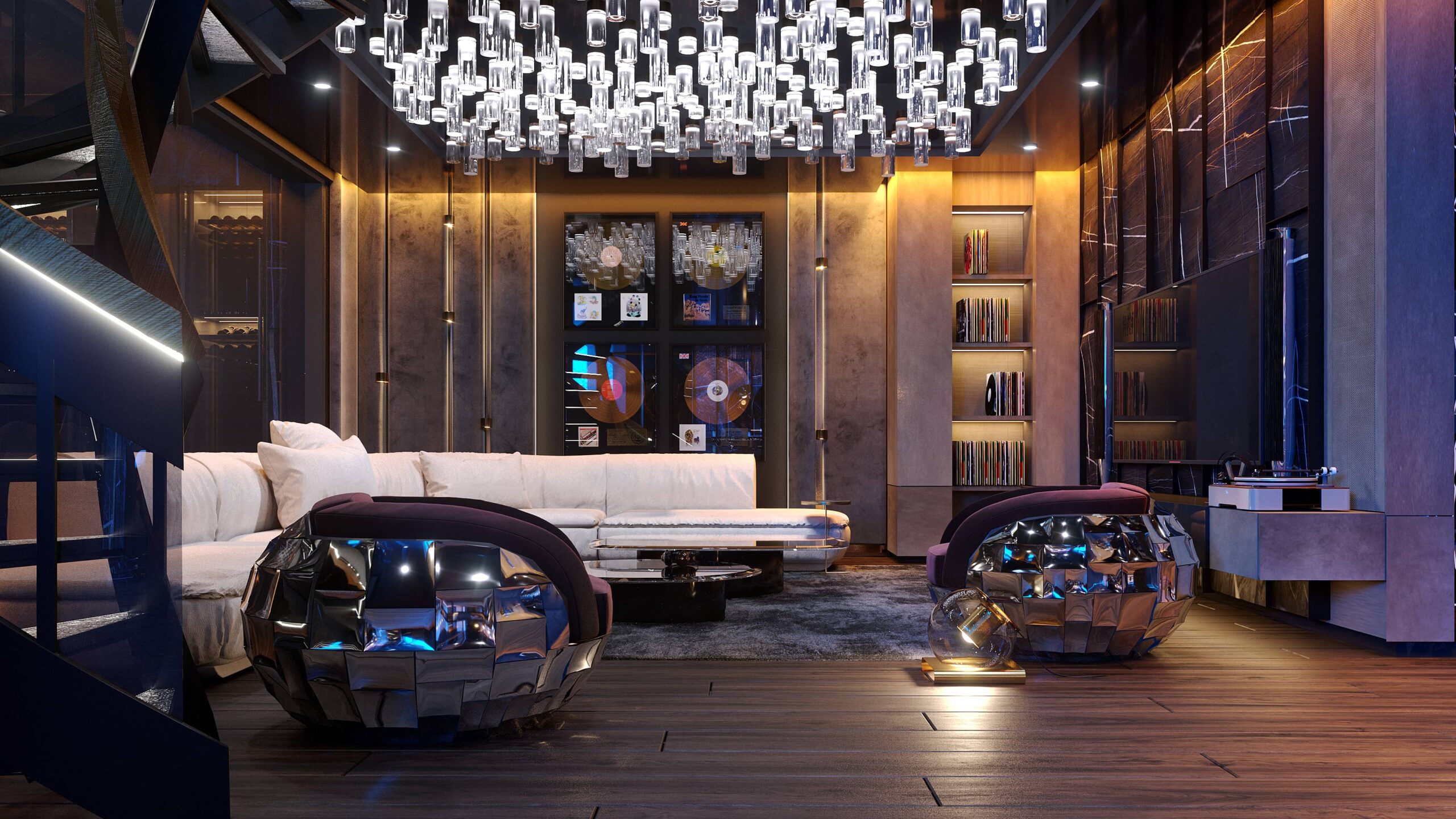
Achieving the perfect balance of soundproofing and acoustic treatment in home studios and theaters requires careful planning and the right materials. For a soundproof music studio, incorporating dense insulation, acoustic panels, and vibration-isolating elements helps block external noise while maintaining audio clarity. A well-designed sound isolation home studio prevents sound leakage, allowing musicians and content creators to produce high-quality recordings without interference. Similarly, home theater acoustics benefit from sound absorption techniques that reduce echoes and enhance dialogue clarity, ensuring an immersive cinematic experience.
Whether you’re a musician, filmmaker, or audiophile, optimizing your space with the best soundproof materials and acoustic solutions ensures an unparalleled listening and recording experience.