Smart Homes and Technology Integration in Interior Design
Thanks to the development of smart technology, the distinction between function and style is becoming more blurred in the dynamic field of interior design. The idea of what is smart home interior design is not futuristic anymore; it is already here and is changing the way we live, use our spaces, and feel comfortable every day. Both designers and homeowners are looking for innovative ways to seamlessly combine smart technology in interior design and visual appeal as smart home integration systems get more sophisticated. This essay explores in detail how an integrated smart home system combines interior refinement and innovation to alter contemporary living spaces.
The Rise of Smart Homes in Interior Design
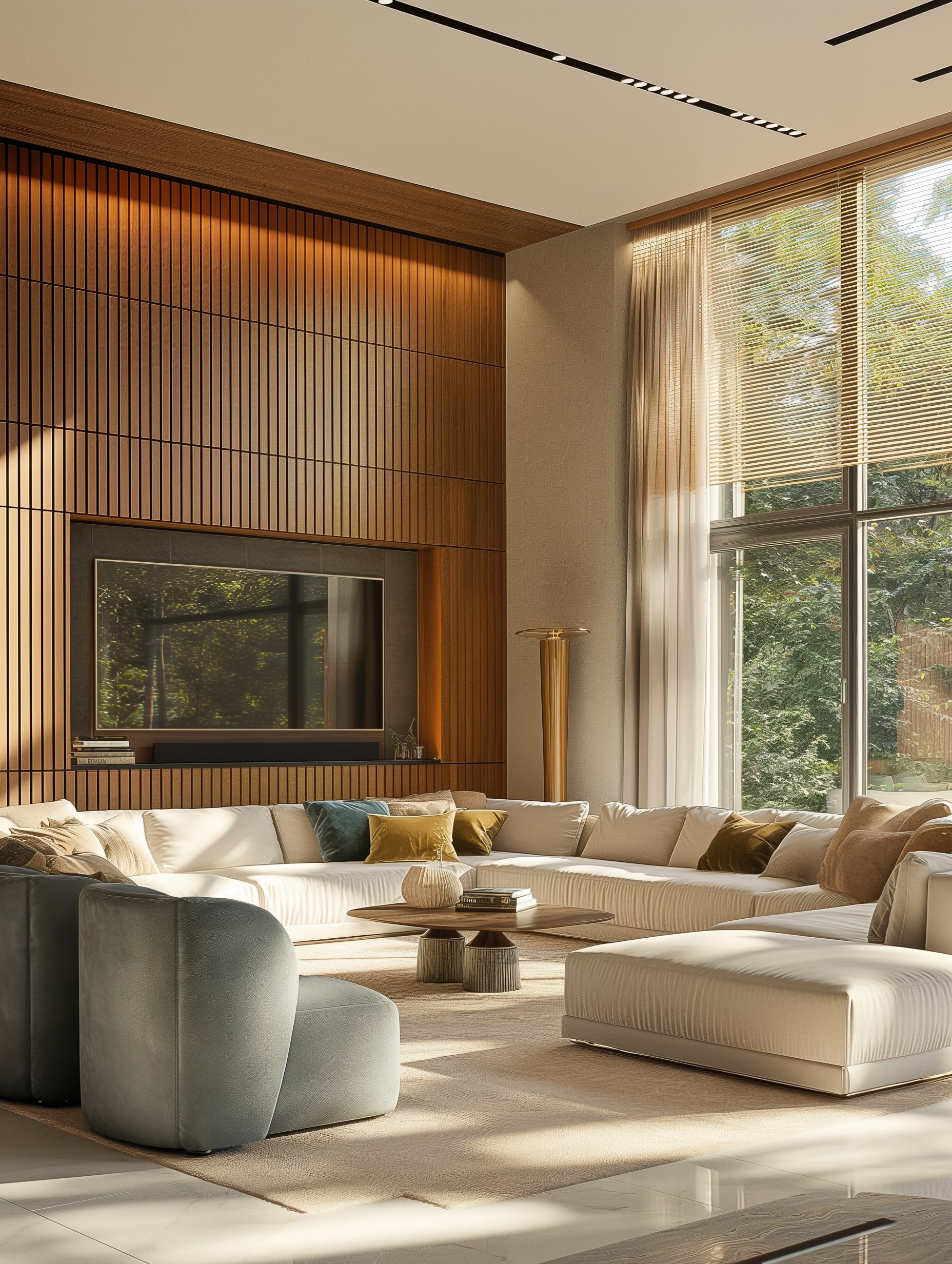
Not only is smart home system integration changing how homes work, but it is additionally impacting how they feel, look, and adapt to our needs. Interior design has seen a fundamental change as a result of the shift to smart houses. Tech devices are no longer unwelcome accents to a place that has been thoughtfully planned. Rather than detracting from a room’s beauty, smart home interior design is now carefully incorporated into the surroundings.
For example, motion-sensitive lights that dim as you leave a room, or voice-controlled blinds that adapt with the sunlight, aren’t simply convenient—they’re design-forward. Because of this integration, modern smart home interior design puts the user experience first without sacrificing style, creating a combination of functionality and beauty.
What is Smart Home Interior Design?
Initially, smart home interior design is a method that combines technology with aesthetic and spatial components to produce living areas that are responsive and intelligent. It’s more than just a few connected devices. It involves integrating smart systems, such as entertainment, security, heating, and lighting, into the design plan directly.
Consider it in this way: classic design emphasises furniture placement, colour schemes, and materials. Intelligence is a new dimension that smart interior design adds. The outcome? areas that become aware of your routines, foresee your requirements, and create a space that feels customised to your way of living.
Key Elements of Smart Home Integration Systems
Interoperability—the ability of various systems and devices to interact and cooperate harmoniously. It is crucial when thinking about a complete smart home integration system. Here are the most essential elements for smart home interior design that lead to successful integration in interior design:
- Lighting control systems – smart lighting is often the starting point. With programmable scenes and remote access, these systems provide convenience, energy savings, and mood enhancement.
- Climate control (HVAC) – smart thermostats like Nest or Ecobee adjust temperature based on occupancy and learning algorithms, contributing to both comfort and sustainability.
- Home security solutions – cameras, smart locks, and alarm systems offer peace of mind while blending into the home’s design discreetly.
- Audio-visual systems – centralized controls for music, video, and TV screens allow users to manage entertainment effortlessly from a smartphone or central interface.
- Smart hubs and interfaces – platforms like Google Home, Amazon Alexa, and Apple HomeKit serve as the brain of the home, allowing users to control multiple devices through one unified interface.
Each of these elements has been selected for its technical abilities as well as how well it blends in with the overall style of the house. The idea is for the technology to be invisible but unquestionably influential.
Smart Technology in Modern Interior Design
Interior design with smart technology is no longer a sci-fi fad; rather, it is already the norm for creating stunning and highly intelligent houses. A change in priorities is reflected in the rise of modern smart home interior design: homeowners are looking for areas that adapt to their needs, simplify their daily routines, and improve daily comfort without compromising style. Voice-activated assistants, sensor-powered appliances, and remote-controlled lighting are just a few examples of how technology integration has made interior spaces into dynamic ecosystems. These innovations bring in a new era of luxury and simple-to-operate home design by fostering an atmosphere where convenience and beauty can coexist harmoniously.
Smart Lighting and Climate Control Solutions
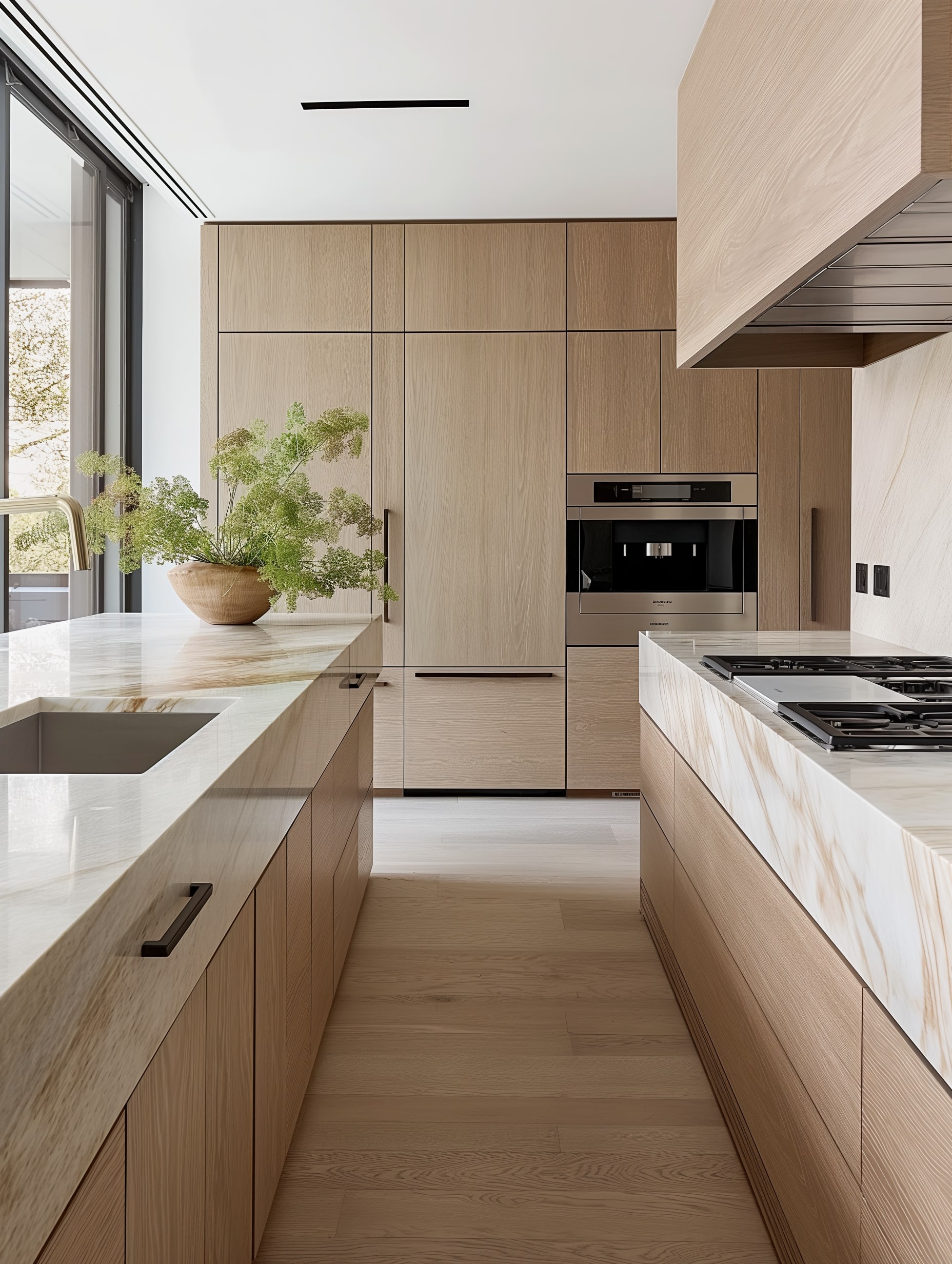
Lighting and temperature are the quiet builders of comfort, and thanks to an integrated smart home system, regulating them is as simple as a tap or a voice command. The smart home interior design of today takes into account more than just where to put a lamp or how to ventilate a space; it creates systems that adapt to the time of day, occupancy, and even your mood. Climate control systems guarantee that every area is always at the ideal temperature, and smart lighting may replicate natural daylight, assisting in the regulation of circadian rhythms. The end effect is a living area that is incredibly comfy, responsive, and seems like it was made just for you.
Smart Security and Automation Systems for Homes
Comfort is fundamentally based on safety, therefore, smart home integration systems are transforming the way we safeguard our houses. The latest security technology, which includes motion-activated cameras, AI-powered alarm systems, and facial recognition doorbells, does more than just react; it predicts. Automation is built into the architecture of smart home interiors, making these technologies widespread but unnoticeable. Features that integrate into the building, such as voice-activated locks, lights that mimic occupancy while you’re not there, or windows that automatically close during storms, offer comfort without adding visual clutter. Like design, security should never be an afterthought; with clever fixes, it becomes incorporated in every aspect of the house.
Benefits of Smart Homes in Interior Design
Smart technology in interior design transforms our way of life and offers advantages far beyond flashy devices. Unmatched levels of comfort, efficiency, and personalisation are provided by smart home interior design, which combines technology and lifestyle. Smart home interior design makes life easier, whether it’s through automation that saves time, intelligent filtration that improves air quality, or the flexibility of app-based controls. But it’s about living a better life, not just about convenience. These areas redefine what it means to genuinely feel “at home,” supporting physical health, emotional equilibrium, and even sustainability goals with every element tailored to promote well-being.
Enhancing Comfort and Convenience with Smart Systems
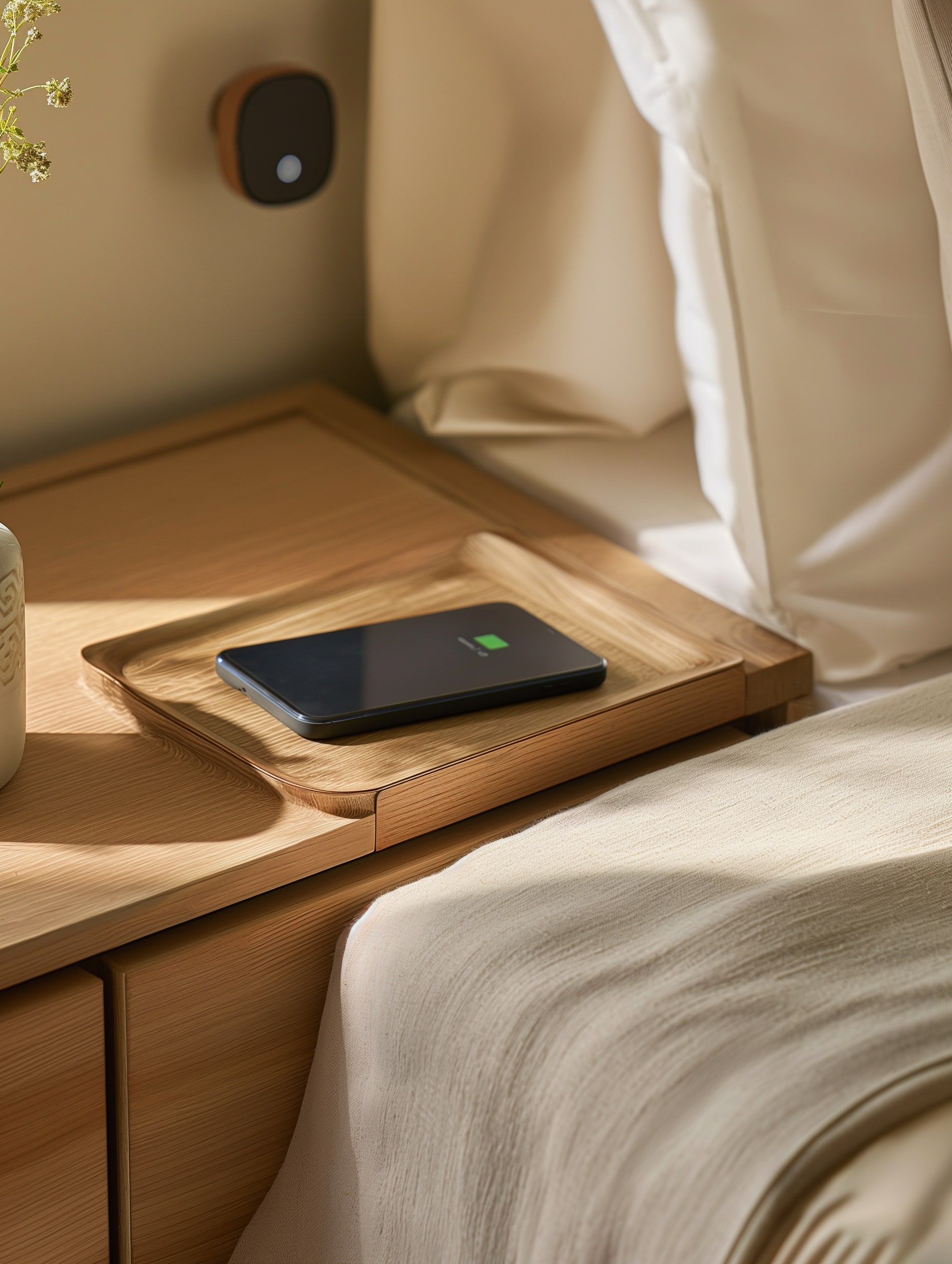
Imagine waking up to the warm glow of simulated sunrise lighting, opening the curtains to let in natural light, your favourite playlist starting to play in the background, and the aroma of freshly brewed coffee already filling the room. That’s real life in a smart home setting with well-chosen interior design—it’s not science fiction. The capacity to anticipate your wants and make real-time adjustments is what makes modern smart home interior design so beautiful.
You can control almost every aspect of your living space with a few taps on your smartphone, or even autonomously based on your routine. These include climate systems that maintain optimal comfort levels in various rooms, integrated entertainment setups that are aware of your preferences, and lighting that changes according to the time of day or activity. After a long day, do you need a warm and peaceful home? With a single command, your “unwind” playlist begins, the temperature rises, and the lighting dims.
It’s more than just convenience, though. Additionally, smart systems simplify daily life and decrease decision fatigue. When your house naturally accommodates your way of life, it makes room for the things that are truly important, both physically and emotionally. It is not about completing less; rather, it is about removing friction from everyday life. Additionally, smart home interior design becomes an active contributor to your well-being. It smooths the flow, beyond its function as static décor.
Sustainability and Energy Efficiency in Smart Homes
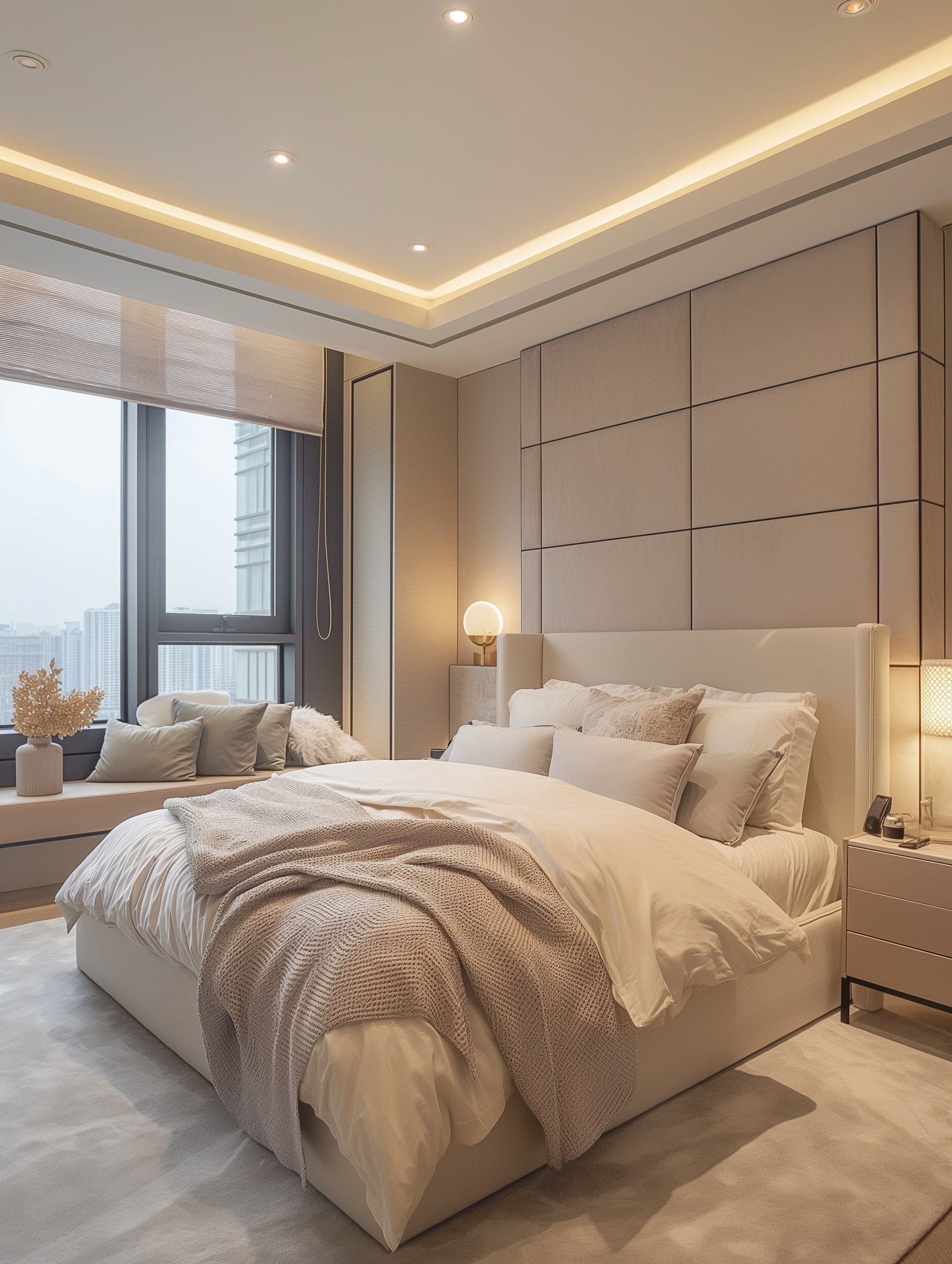
In response to homeowners’ growing awareness of the environmental impact of their lifestyle, integrated smart home system are developing. Sustainability is now more affordable, useful, and appealing than ever, thanks to these cutting-edge technologies—all without sacrificing comfort, style, or luxury. Smart home integration systems make sure that every watt of energy and every drop of water is used as efficiently as possible by learning your patterns and adjusting to real-time data.
Imagine a thermostat that adapts to your family’s schedule and the weather, blinds that automatically draw down during the hottest parts of the day to minimise the need for cooling, or lights that dim or turn off when no one is in the room. It is possible to program appliances to operate during periods of reduced energy demand, which will decrease their impact on the system and lower your power costs.
However, the benefits go beyond the borders of the house. Your overall environmental impact can be significantly decreased by making these minor daily changes. Adding smart home integration systems to your interior design, whether you’re starting from scratch or remodelling an existing area, is a great way to make your house more responsible in addition to smarter. A smart house is more than just a luxury in this age of climate change; it’s a step towards a time when sustainability, efficiency, and aesthetics are all harmoniously combined.
The core concept of what is smart home interior design is being redefined by technologies, which are at the intersection of aesthetic evolution and innovation. Smart technology has evolved from a futuristic idea to a smooth part of modern living areas, gradually increasing comfort, raising efficiency, and enabling homeowners to live more wisely. Integration of smart technology in interior design adds style and functionality to anything from automatic climate control and intelligent lighting to security systems and energy-saving advances. It’s not only about technology; it’s also about designing spaces that anticipate your habits, adjust to your demands, and respond to your lifestyle.
Homeowners and designers worldwide are starting to understand that the actual value of biophilic and smart homes is not just in their aesthetic appeal but also in how they feel—intelligent, responsive, serene, and intensely personal. A thoughtful modern smart home interior design from the start may make your space more than just a place to live, whether you’re building a new home or renovating an old one. It turns into a living system that changes as you do.