Modern Interior Design Style
Modern interior design masterfully combines simplicity, elegance, and functionality to reflect today’s fast-paced yet thoughtful lifestyle. Rooted in 20th-century design philosophy but constantly evolving, this approach to home styling emphasizes clean lines, open spaces, and a seamless blend of form and purpose. The essence of modern interior design style lies in creating environments that feel both refined and livable, allowing individuals to enjoy a balanced mix of comfort and aesthetics. Whether you’re a homeowner embarking on a renovation journey, an architect seeking modern aesthetics, or simply curious about current home trends, understanding modern style in interior design offers a practical foundation for making intentional and inspired choices for your living space. This article will explore the key elements of modern design, trace its historical and philosophical roots, examine its most popular stylistic variations, and offer actionable advice for those looking to transform their interiors in a meaningful, sophisticated way.
The Origins and Philosophy of Modern Interior Design
Modern interior design style didn’t emerge overnight — it evolved from early 20th-century movements that reimagined the relationship between aesthetics and function. More than just a style, modern design represents a design philosophy rooted in the idea that living spaces should support and elevate everyday life. This approach values purpose over decoration and authenticity over artificiality, aiming to create a space where each object and architectural element serves a clear and often multifunctional role. By stripping away excess, modern style in interior design highlights essential forms, clean lines, and a sense of openness that fosters mental clarity and physical freedom.
From Bauhaus to Today: Design Evolution
The journey of modern interior design began in the early 1900s with the influential Bauhaus movement in Germany. Founded by architect Walter Gropius, Bauhaus sought to unify art, craft, and technology in the creation of functional yet beautiful environments. Designers within this movement believed that beauty should be accessible to all and that design should serve a practical purpose. This meant rejecting excessive ornamentation and romantic historicism in favor of minimal forms, practical materials, and a commitment to craftsmanship rooted in real human needs. The philosophy of Bauhaus introduced a design language centered around clarity, logic, and universality.
This ideology was rapidly embraced across Europe, particularly in Scandinavian countries, where it intersected with Nordic traditions of simplicity and functionality. Scandinavian modern style interior design placed strong emphasis on natural light, subdued colors, and honest materials like wood, leather, and wool, all of which continue to define modern interiors to this day. The goal was not only to build beautiful homes but to create calming, organized environments that enhance the quality of everyday living.
When modern architecture spread to the United States during the post-war era, it took on a slightly more decorative and organic character. Influenced by mid-century innovation and optimism, American modernism introduced fluid shapes, bold contrasts, and more expressive forms. Open floor plans became common, merging kitchens with dining and living areas, which fostered a sense of community and ease. Materials like plywood, steel, and glass were used to create spaces that were not only beautiful but also efficient, durable, and innovative.
Today, modern design continues to evolve, incorporating sustainable materials, smart home technologies, and culturally diverse influences. While the aesthetics of modern design have expanded and diversified, the core tenets, such as clarity, function, and simplicity, remain as relevant as ever. In this way, modern interior design is not just a reflection of current trends but a continuous conversation between tradition and innovation.
Core Values: Simplicity, Functionality, Clarity
At the heart of modern interior design styles lies a set of enduring values that make it both timeless and universally appealing. These values aren’t tied to specific trends or materials; they represent a mindset that informs every design decision. The first and most recognizable principle is simplicity, which does not equate to dullness or sterility. Rather, simplicity in modern design is about intentionality. Each piece of furniture, each line of architecture, and each surface treatment is deliberately chosen to support the overall vision. By eliminating clutter and avoiding unnecessary embellishments, the design draws attention to the natural beauty of the space itself, its geometry, its light, and its textures.
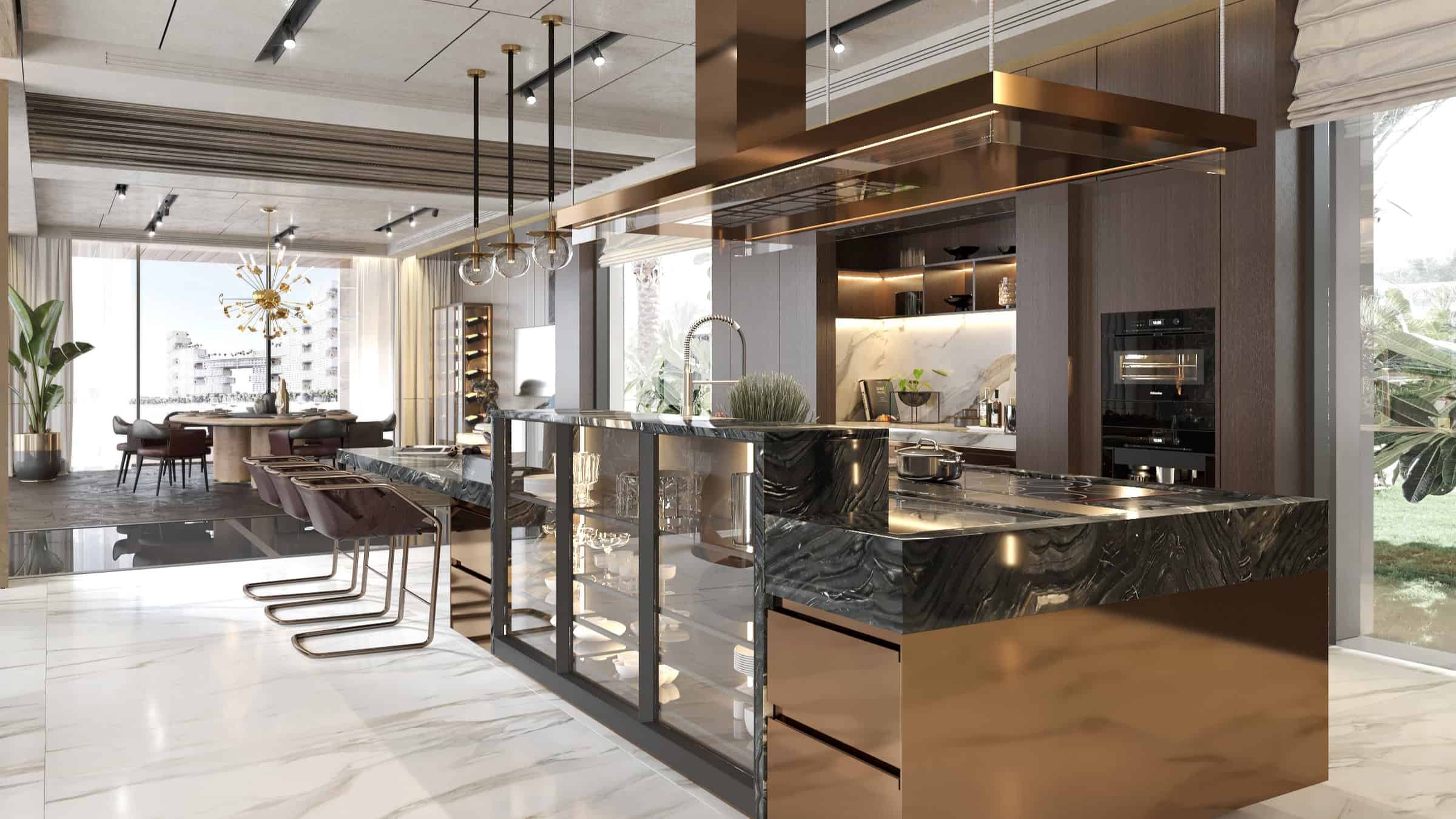
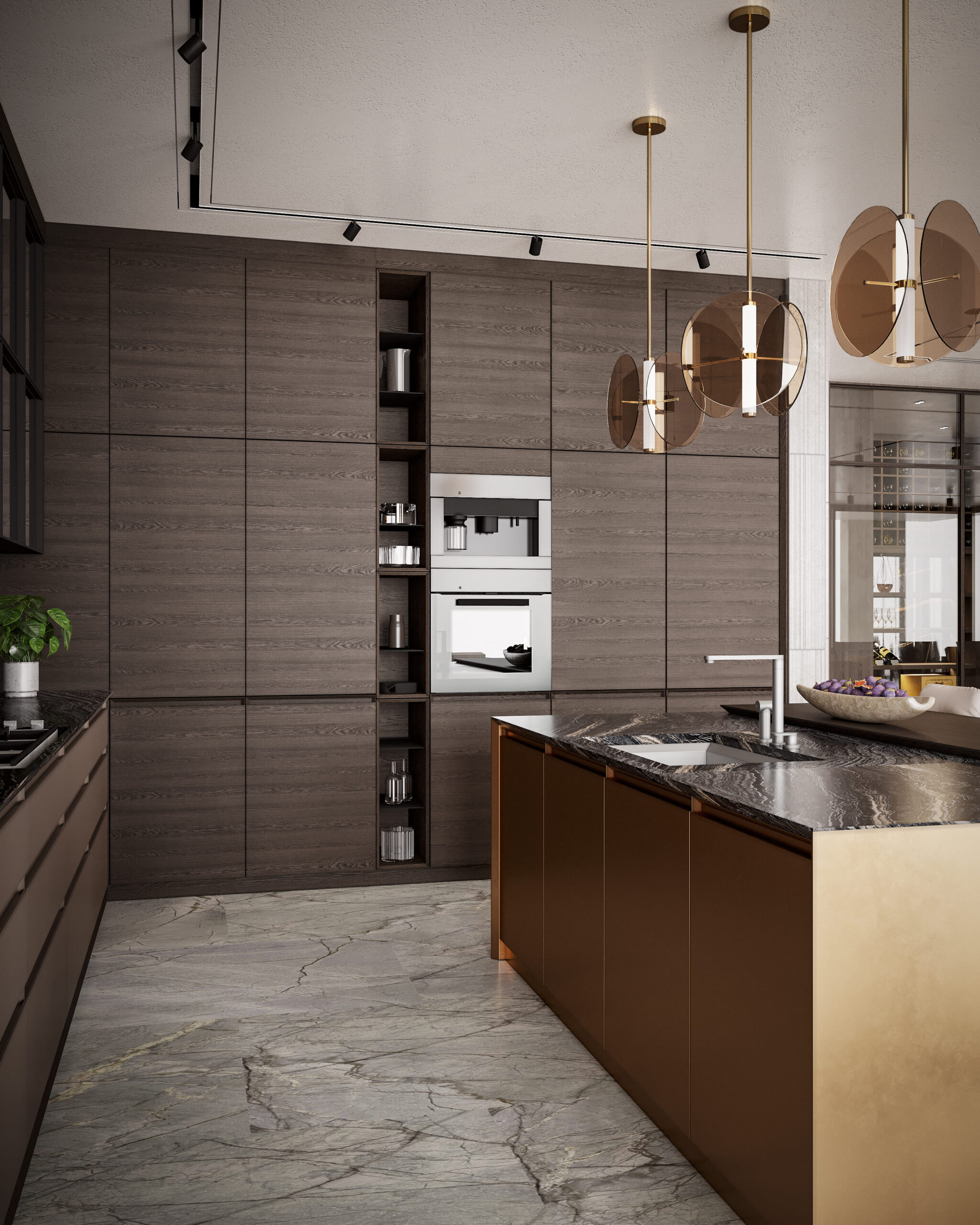
Functionality is equally central. In interior design modern style, every object is expected to earn its place. Furniture is often multipurpose, offering storage solutions within clean silhouettes. Layouts are open and efficient, promoting ease of movement and adaptability. There’s a strong emphasis on usability from intuitive lighting to ergonomic furniture and integrated technology that enhances daily life without drawing attention to itself. A kitchen island, for example, might serve as a prep space, dining area, and informal gathering spot, seamlessly blending form and function.
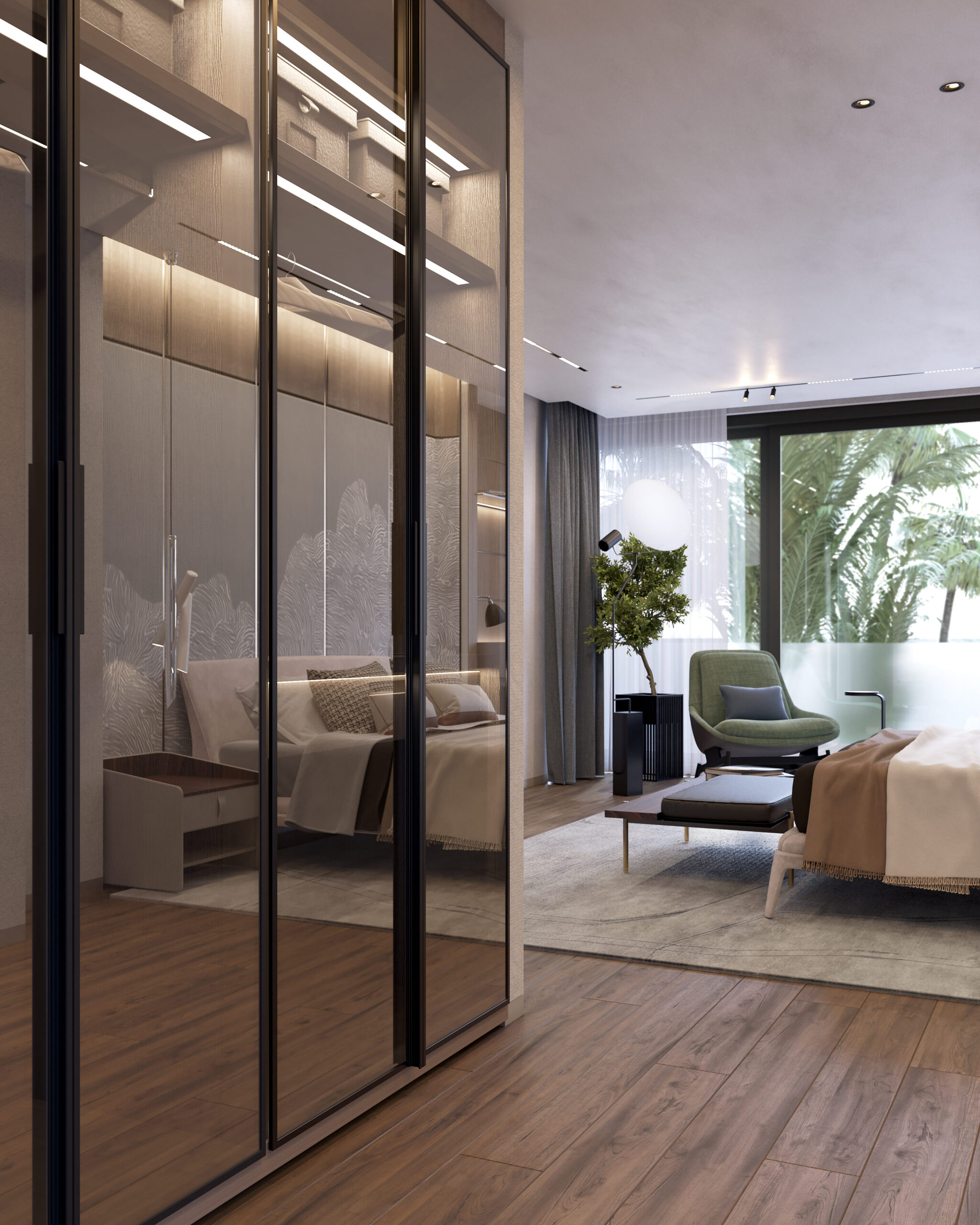
Clarity, the third pillar, emerges from this convergence of simplicity and functionality. It is conveyed through coherent spatial organization, the use of honest materials, and a restrained but harmonious palette. Rather than overwhelming the senses, a modern interior creates space for reflection and comfort. Natural light is maximized, transitions between rooms feel effortless, and surfaces remain clean and tactile. This sense of visual and functional clarity invites occupants to engage more deeply with their surroundings, cultivating mindfulness and well-being in everyday life.
Together, these core values shape interiors that are timeless, adaptable, and deeply aligned with the way we live today.
Key Elements of Modern Interior Design
The beauty of modern style interior design lies in its consistent elements — a set of features that can be recognized and adapted in countless ways. From material choices to spatial planning, each aspect works to create an environment that is visually calm, efficiently used, and emotionally balanced in modern styles interior design.
Neutral Palette and Natural Materials
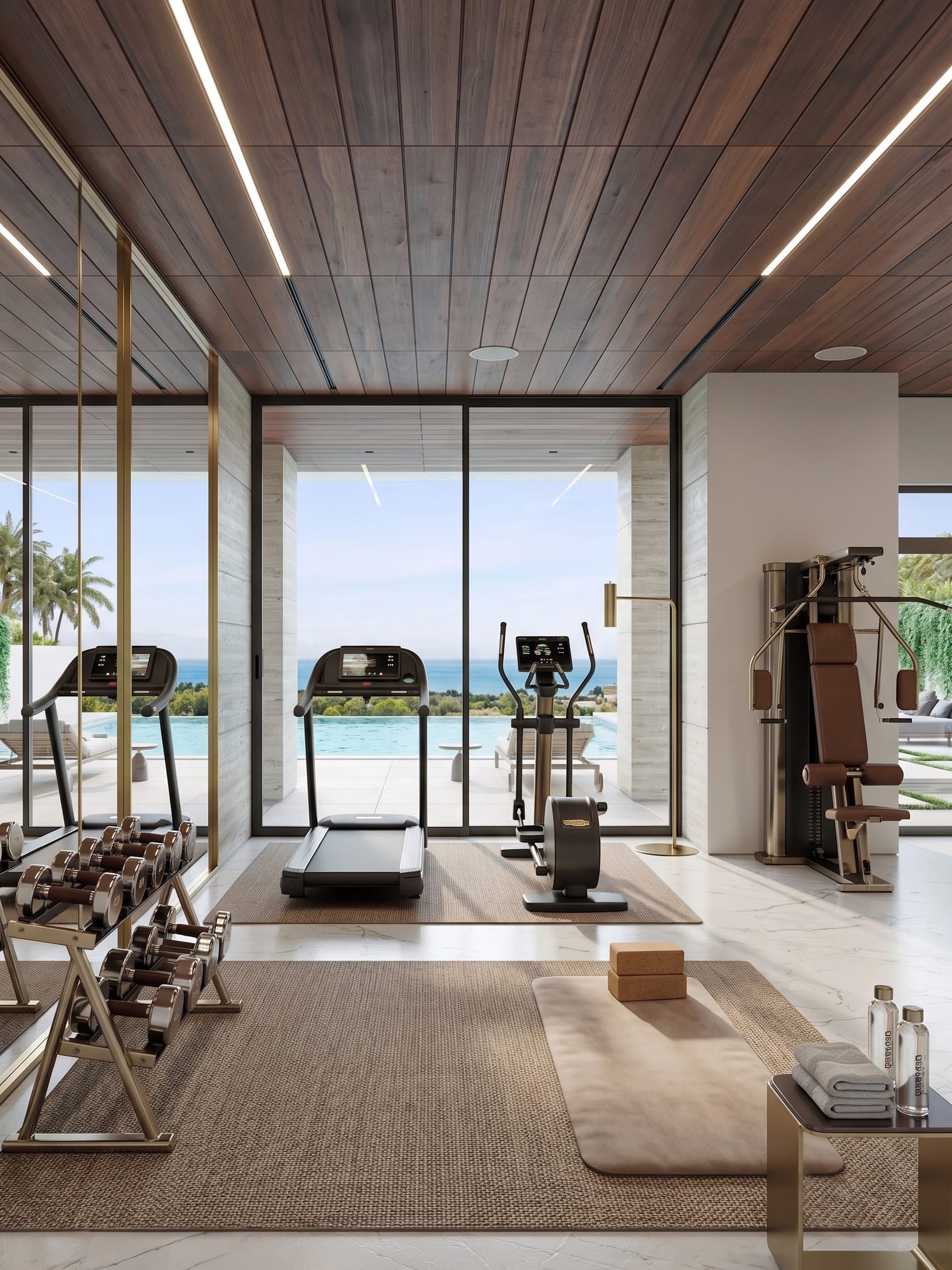
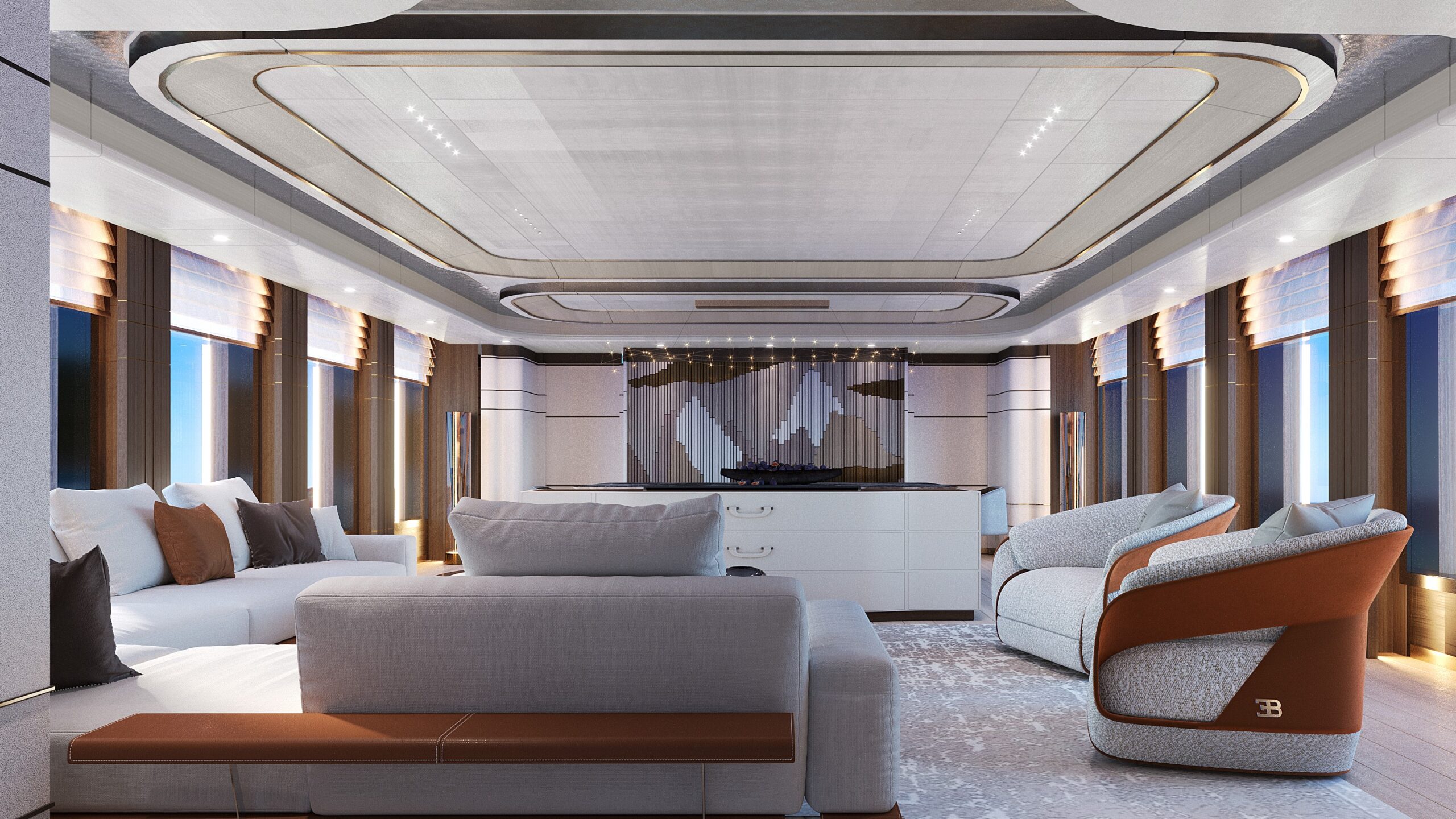
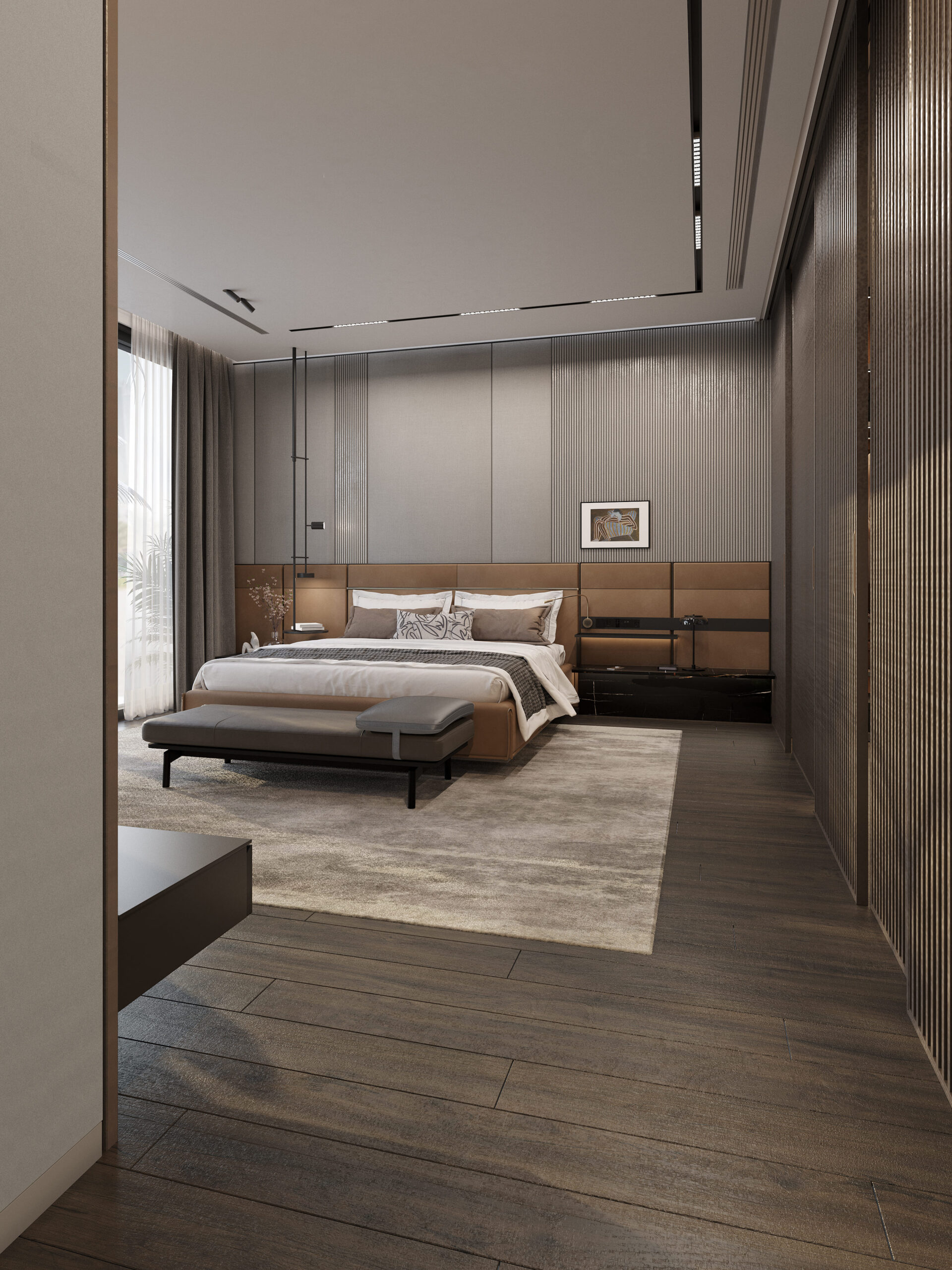
Color in modern interior design styles plays a crucial role, and neutrality is key. Soft whites, beiges, grays, and earth tones dominate the palette, setting a serene and sophisticated backdrop for the space. These hues allow other elements like texture, shape, and light to shine, while promoting a clean and cohesive look.
Natural materials further enhance this foundation of modern design. Wood, stone, metal, leather, and glass are frequently used to create contrast and depth. Oak or walnut flooring, for instance, adds warmth underfoot, while concrete or marble countertops lend a refined, modern edge. When paired with natural light and matte finishes, these materials contribute to a tactile, grounded atmosphere that feels both modern and timeless.
Open Space and Functional Layouts
Modern style in interior design prioritizes open, breathable layouts. Rooms flow naturally into one another, often without barriers or with minimal separation through shelving, low partitions, or glass dividers. This openness fosters flexibility and encourages communal living.
Zoning, however, is still important in interior design modern style. The clever use of rugs, lighting, and furniture arrangement can subtly define areas for work, dining, or relaxation within a single, unified space. A functional layout supports comfort and efficiency, allowing inhabitants to move freely while keeping everything within reach and visually tidy.
Lighting and Decorative Accents
Lighting in modern interior design style is not just practical, it’s atmospheric. Layered lighting plans include ambient ceiling lights, focused task lighting, and mood-enhancing accent fixtures. Natural light is maximized through large windows and open views, often complemented by sheer drapes or automated blinds.
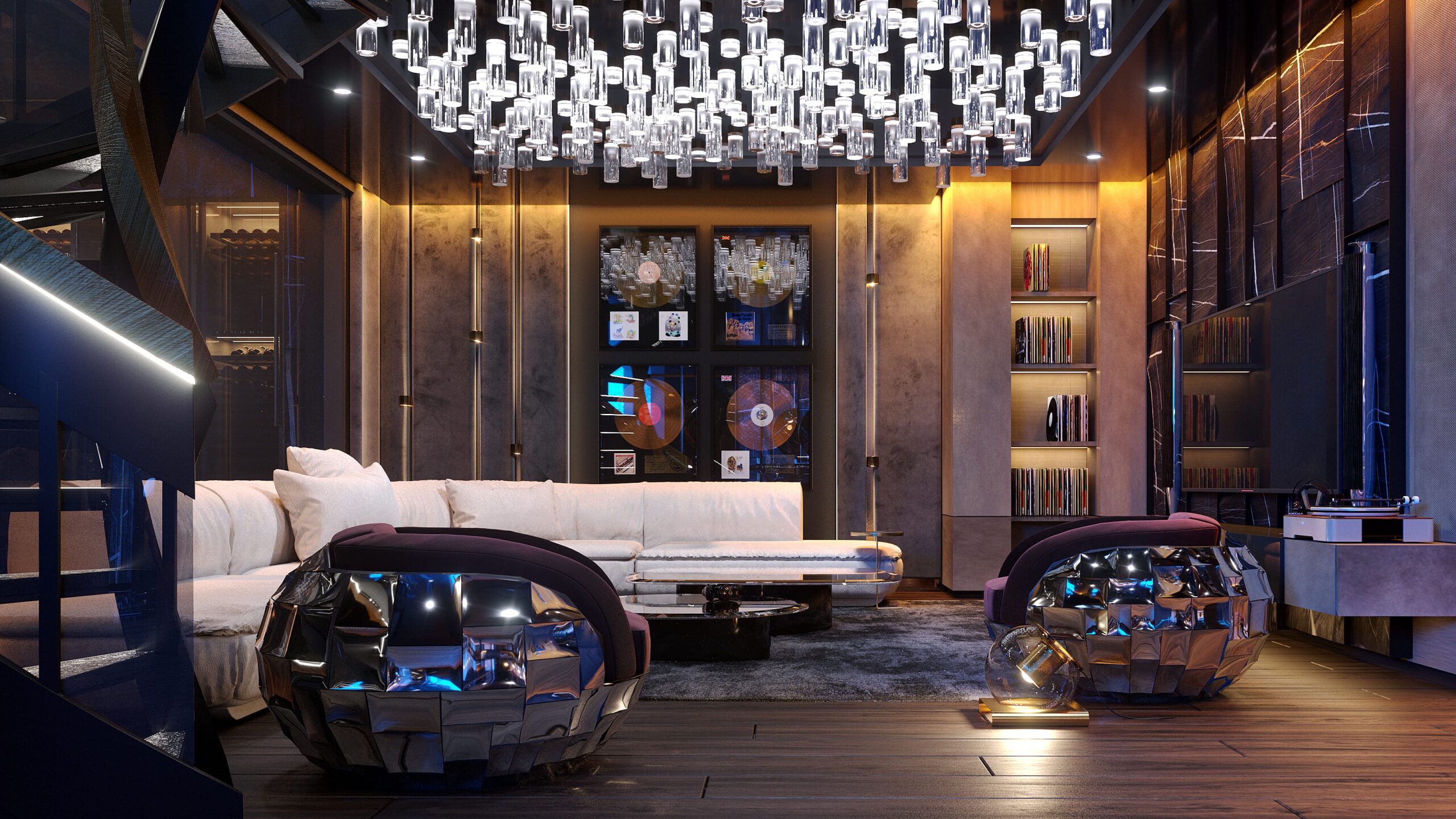
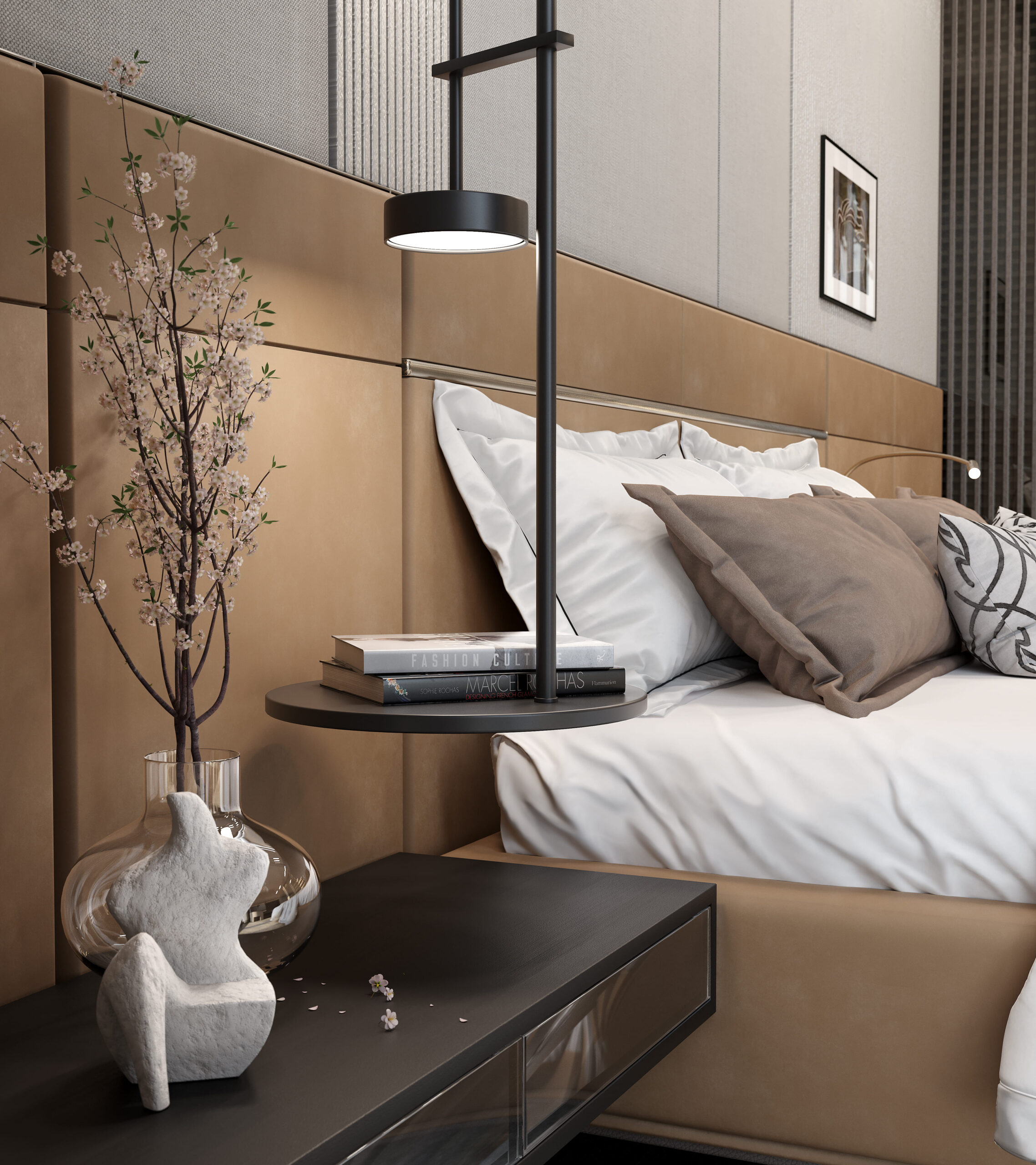
Decorative accents are used with restraint but purpose. A statement pendant lamp, sculptural vase, or abstract wall art piece can add personality without clutter. Materials and shapes play a major role here; sleek metals, textured ceramics, and organic forms provide visual interest and balance within a clean-lined setting of modern style interior design.
Popular Modern Interior Design Styles
Modern interior design is not a single formula. It offers various substyles, each bringing its own flavor while adhering to the same foundational values. Choosing a variation of modern styles interior design that aligns with your lifestyle and preferences can help personalize the modern experience.
Scandinavian Modern
This substyle of modern interior design style emphasizes functionality, simplicity, and comfort with a distinctive Nordic touch. Interiors are often painted white or soft neutral shades to reflect natural light, and furnishings are typically made from natural wood with clean silhouettes.
Textiles like wool, linen, and sheepskin bring warmth and texture, creating a sense of hygge — the Scandinavian concept of cozy living. Scandinavian interior design modern style feels calm and welcoming, with a focus on practical beauty and minimal visual noise.
Mid-Century Modern
Mid-century modern design blends retro charm with forward-thinking utility. Originating in the 1940s–60s, this style features low-profile furniture, tapered legs, and geometric patterns. It embraces vibrant accent colors, such as mustard yellow or teal, against a backdrop of natural wood and white walls.
Large windows, open plans, and indoor-outdoor connections are key. This modern style of interior design suits those who appreciate vintage aesthetics paired with modern functionality, offering spaces that are playful, bold, and elegantly practical.
Minimalist Modern
Minimalist modern style in interior design is the purest expression of the modern philosophy — less is more. Every object is carefully chosen and often multifunctional. Interiors rely on negative space to amplify the impact of materials, forms, and light.
The color palette is subdued, and surfaces are often free of decoration. This approach appeals to those seeking mental clarity and simplicity in their daily environment. While it may appear stark at first glance, minimalist modern interior design spaces are anything but cold; when executed well, they feel calm, elegant, and deeply intentional.
Practical Tips for a Modern Interior Makeover
Adopting a modern interior design style doesn’t mean starting from scratch. With thoughtful changes, you can gradually shift your home toward modern interior design styles. Start by decluttering. Remove items that don’t serve a functional or aesthetic purpose. Then, refine your color palette, stick to a few neutral shades, and layer textures for depth. Swap heavy drapery for light-filtering curtains, and consider investing in quality lighting to elevate the mood and functionality of your space.
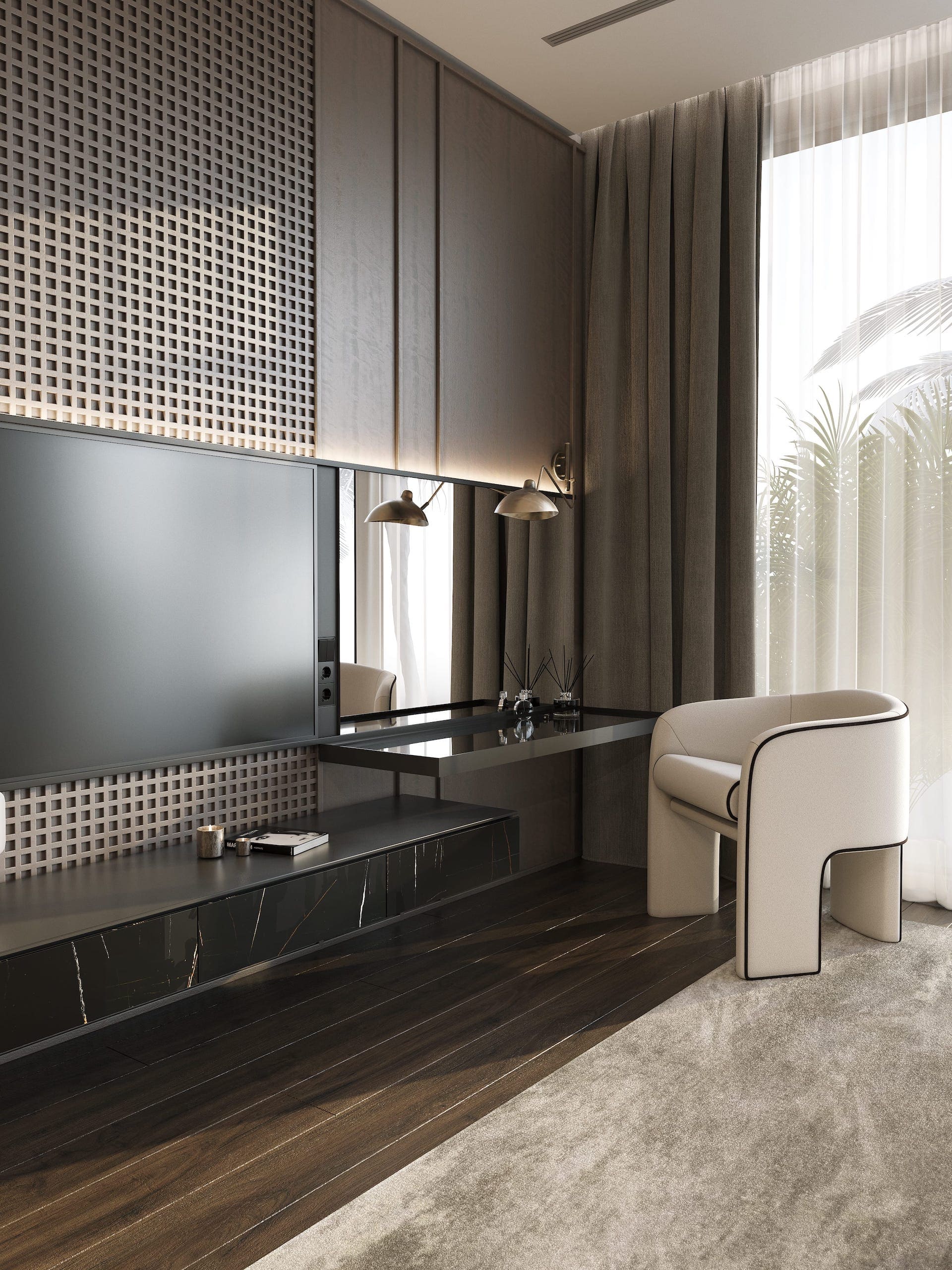
Choose furniture with clean lines and understated details. Opt for natural materials and multifunctional pieces. Even simple upgrades like replacing dated handles with sleek ones or adding a streamlined shelving unit can make a big difference. Finally, pay attention to balance in modern interior design. Don’t over-decorate, but don’t strip the room of personality either. Add character through thoughtfully chosen art, textured textiles, and a few bold accents that reflect your taste.
Modern interior design is more than a style — it’s a mindset. By focusing on simplicity, functionality, and beauty, it creates environments that support how we live, work, and relax. Whether you’re drawn to the cozy clarity of Scandinavian modern, the retro flair of mid-century, or the serene calm of minimalism, modern style in interior design offers a flexible and inspiring foundation.
By understanding its origins with core principles and embracing its key elements, anyone can create a modern interior design style that feels both timeless and completely personal. With smart choices and intentional details, your home can become a reflection of modern living, clear, comfortable, and effortlessly elegant.