Mediterranean Interior Design Style
Mediterranean interior design has something intrinsically peaceful and effortlessly elegant. Mediterranean design evokes a picture of a dreamy landscape, with sunlight reflecting off stuccoed walls, olive trees swaying in the soft wind, and the warmth of terracotta tiles beneath your feet. Derived from the traditions and ways of life of coastal nations like Spain, Italy, and Greece, this design is excellent at combining organic materials, textured surfaces, and lots of natural light to create warm, fashionable, and incredibly livable spaces.
How do you incorporate the classic appeal of Mediterranean style interior design into your own area, and what makes it so timeless? This comprehensive guide will take you through the fundamentals of Mediterranean interior design, whether you’re remodelling a coastal home or looking to add a little bit of seaside tranquilly to your city residence. From subtle colour schemes and natural materials to astute furniture selections and contemporary interpretations, you’ll learn how to design a house that feels like a bright, peaceful getaway every single day.
The Essence of Mediterranean Interior Design
The Mediterranean interior design style is really about embracing a relaxed elegance that is rooted in heritage, nature, and true comfort. This design openly reflects a lifestyle of openness, relaxation, and a strong connection to the environment rather than following the newest interior trends. The Mediterranean style interior design approach is ideal for anyone looking for a house that exudes warmth and honest, lived-in authenticity.
Key Elements of Mediterranean Design
What precisely contributes to the eternal attractiveness and rich character of Mediterranean-style interior design? Together, a few distinguishing characteristics produce spaces that are both elegant and hospitable. Stone or plastered walls create textural backdrops, and exposed wooden beams frequently cross the ceilings. While wrought iron door handles and railings add a subtle strength and artistry, the tactile presence of terracotta floor tiles initiates centuries-old traditions.
This style is also celebrated for its sense of openness. Traditional Mediterranean-style homes often boast flowing layouts, high ceilings, and arched doorways that beckon you from one space to the next. Many houses seamlessly extend into leafy courtyards, tiled patios, or vine-shaded verandas, underscoring the deep-rooted value of indoor-outdoor living.
Texture is an ever-present feature, from rugged stucco walls to handwoven fabrics draped across beds and sofas, or intricate mosaic-tiled accents enlivening stair treads and bathrooms. Natural light is always a priority, streaming in through generous windows or bouncing off whitewashed walls, highlighting every nuanced surface and filling each room with an air of tranquility.
The result of these combined elements is an interior that feels timeless, relaxed, and undeniably inviting. Mediterranean spaces carry a certain charm—curated yet never contrived, humble yet sophisticated.
Color Palette in Mediterranean Interiors
One of the most magical aspects of Mediterranean interior design is its evocative color palette, which immediately sets the tone for a warm and earthy ambiance. Inspired directly by the surrounding land and sea, the shades used in Mediterranean interiors are both vibrant and comforting—a masterful blend of neutral backdrops and rich accent colors.
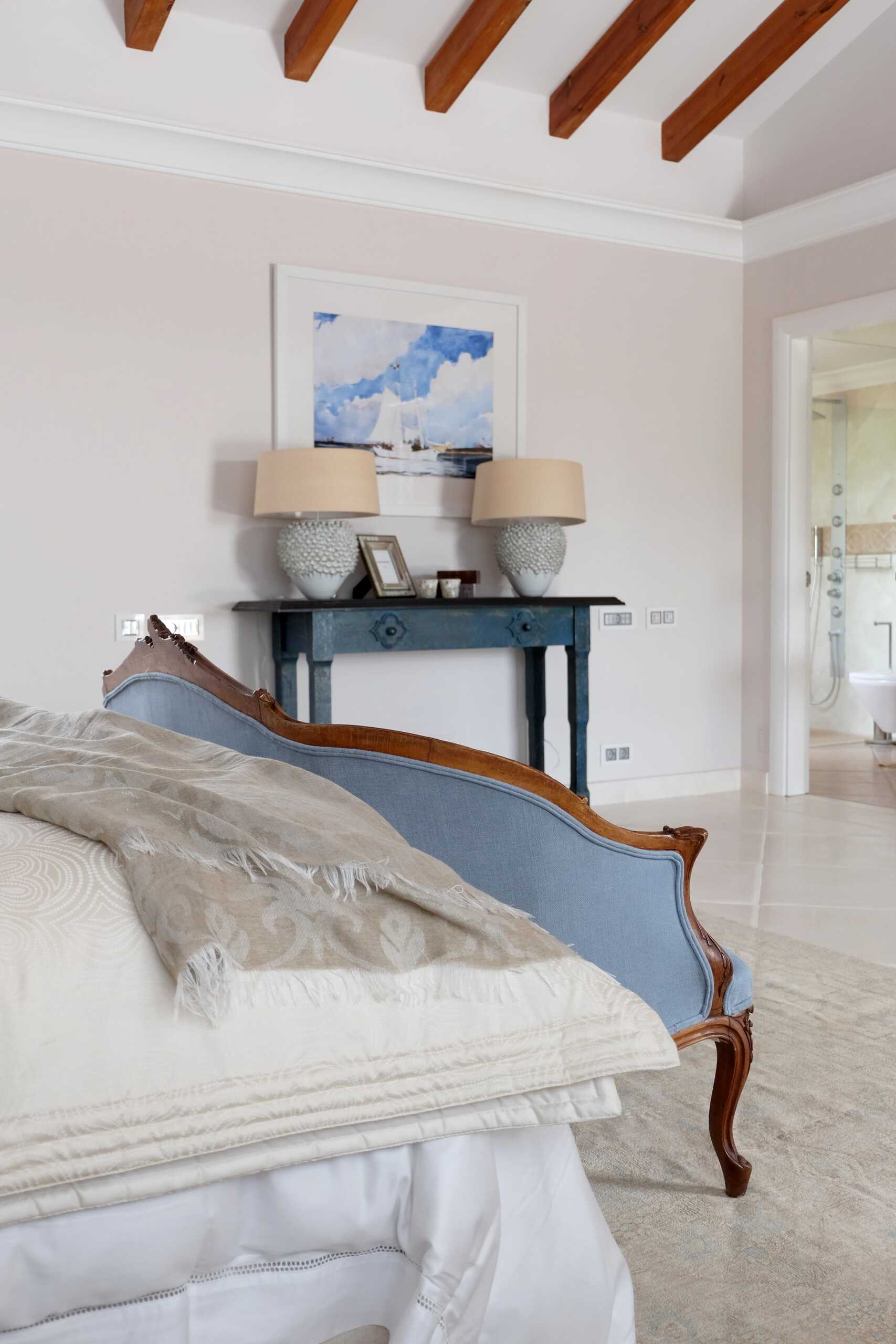
Commonly, walls are painted in soft whites or creamy off-whites, which help maximize light and create a tranquil foundation. This pale backdrop is punctuated by deep blues and turquoises, which are reminiscent of the sea and sky, adding a refreshing, dynamic edge to the spaces.
Terracotta and ochre tones infuse the rooms with rustic grounding, echoing the colors of clay roofs, ancient tiles, and sun-drenched buildings. You’ll often spot splashes of olive green—mirroring the silvery foliage of local trees—and touches of mustard yellow that call to mind wildflowers and golden Mediterranean sunlight.
Instead of overwhelming with excessive color, Mediterranean-style interiors use these earthy and coastal-inspired hues in careful balance, ensuring the overall effect is soothing and sophisticated. If your goal is to mimic the ambiance of a seaside oasis in your own home, crafting a thoughtful Mediterranean color story is an essential first step.
How to Incorporate Mediterranean Design into Your Home
Whether you’re planning a complete overhaul or simply yearning to infuse your current space with the spirit of the Mediterranean coast, there are countless ways to echo the Mediterranean interior design style in your home. The secret lies in thoughtful choices—curating pieces and palettes that embody relaxed luxury, timeless tradition, and organic beauty in Mediterranean interior design.
Furniture and Accessories for Mediterranean Interiors
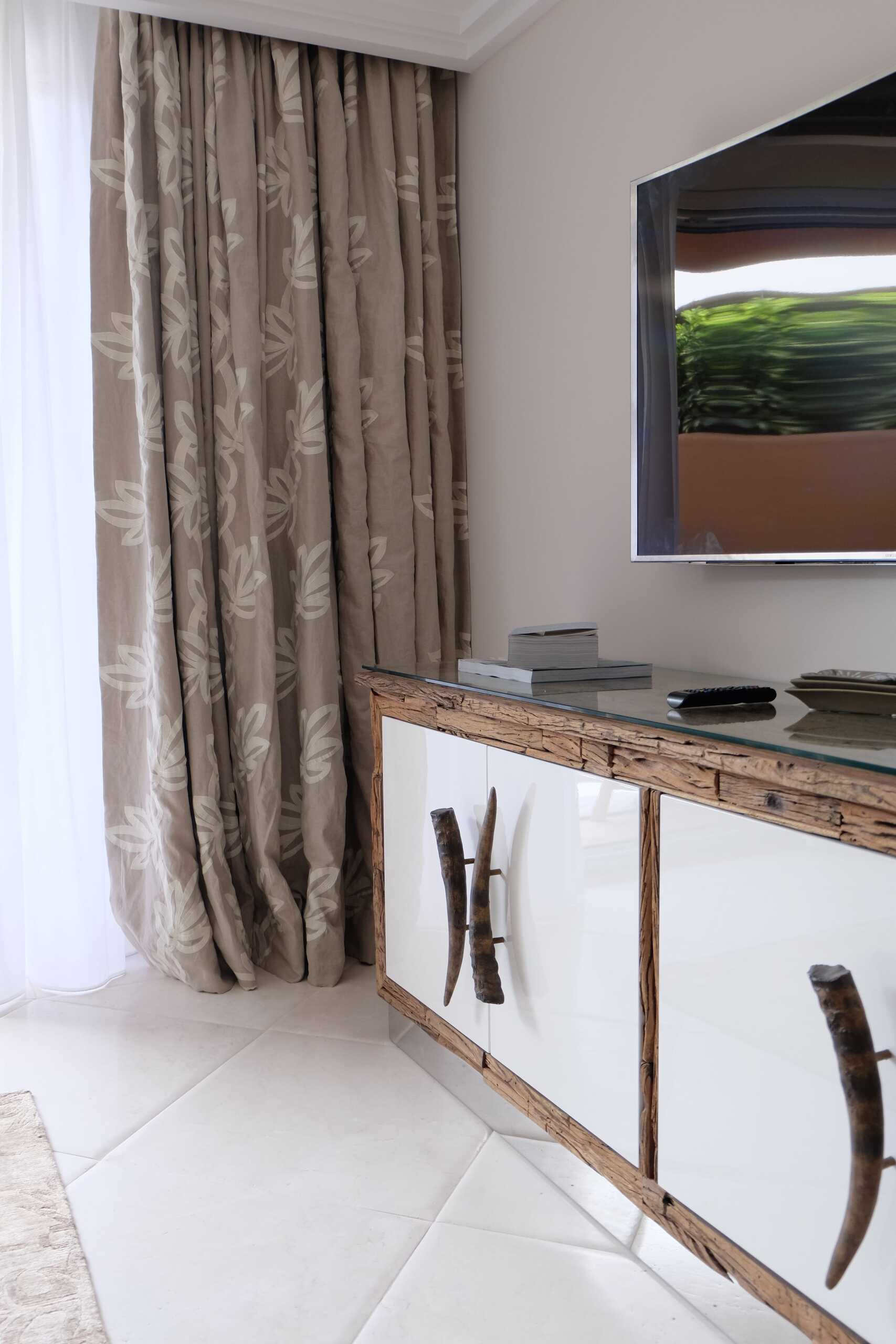
Furnishing a Mediterranean-style home requires an eye for harmony between rustic heritage and understated elegance. Instead of crowded rooms with layers of decoration, Mediterranean design interiors often embrace minimalism through quality. Each piece is chosen with care, emphasizing craftsmanship, patina, and the kind of tactile warmth that only authentic materials can provide.
Wooden dining and coffee tables, often left raw or distressed to reveal their unique grain, lend rustic elegance and an enduring sense of sturdiness. Wrought iron, with its dark, matte finish and graceful curves, appears in bed frames, candlesticks, and lighting. These details offer a subtle nod to history and artisan skill.
Natural linen or cotton upholstery is another essential element, chosen for its breathability and comfort, perfect for casual lounging on sun-dappled afternoons. Woven items are common as well, from rattan or wicker armchairs to sturdy jute rugs underfoot or straw baskets sitting by a fireplace.
When it comes to accessories, Mediterranean interiors are curated but never fussy. Hand-painted ceramics, colorful tiles, mosaic-framed mirrors, and artisanal pottery enliven surfaces. Vibrant, textural pillows or tapestries featuring local motifs add layers of personality and warmth. Each detail, while simple, echoes centuries of trade, creative exchange, and cultural richness across the region.
Bringing Nature Indoors: Mediterranean Style Plants
Few things evoke the Mediterranean more than its lush, fragrant vegetation. Incorporating greenery into your home, beyond its air-purifying and mood-boosting qualities, signals a serious commitment to authenticity and vibrancy.
One of the most iconic choices is the olive tree. Dwarf or indoor varieties can make a striking statement in large planters, immediately establishing Mediterranean flair. For scent and color, nothing rivals potted lavender—its blooming purple spikes and delicate aroma evoke Provençal farmhouses and Greek islands in equal measure.
Many homeowners also bring culinary herbs such as rosemary, thyme, basil, and sage indoors, planting them in rustic clay pots and arranging them by a sunlit kitchen window. For larger, airier rooms, consider adding a fig tree or a small palm—both nod to the lush, dramatic flora found across the southern coast of Europe.
Don’t be afraid to display these plants with creativity. Terra cotta pots, woven baskets, or even repurposed ceramic vessels can highlight their forms while blending seamlessly into your overall Mediterranean design. Ultimately, these living elements bridge the gap between house and landscape, just as Mediterranean homes always have.
Mediterranean Style and Modern Trends
The Mediterranean interior design style isn’t anchored to the past. Over the decades, it has evolved and adapted, taking on new relevance for contemporary lifestyles. Today, savvy homeowners and designers are exploring exciting ways to merge time-honored Mediterranean interior design aesthetics with the needs and tastes of modern living.
Combining Mediterranean with Contemporary Styles
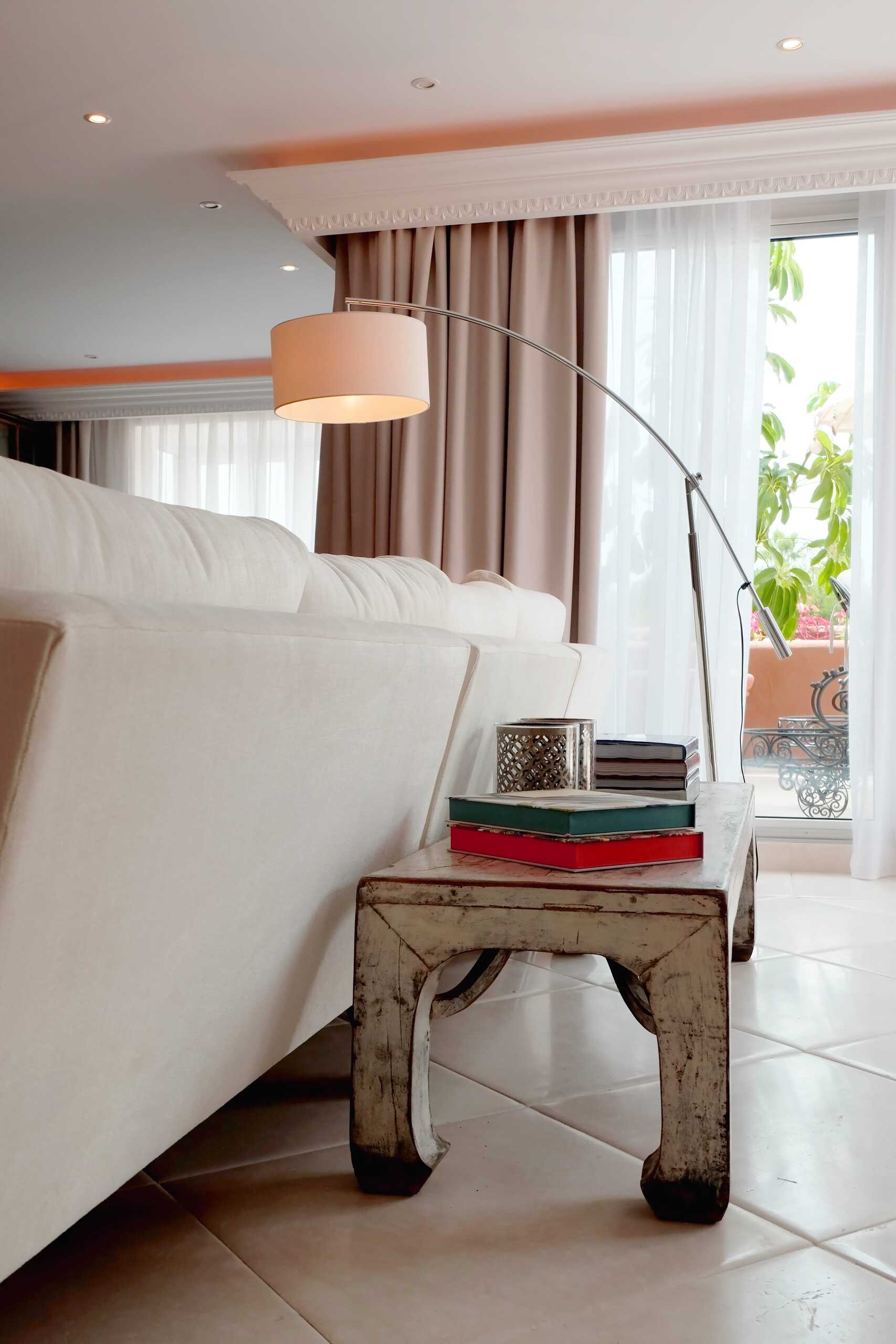
The open-plan, minimalist trend in modern design might seem opposed to the textured, tradition-rich look of interior design Mediterranean traditions, but in reality, they’re remarkably compatible.
Many of today’s most inviting spaces blend clean, modern lines with classic Mediterranean materials, creating a new hybrid that feels both current and rooted in history. You might see rooms with spare, neutral walls enlivened by a single statement archway, or sleek kitchens paired with handcrafted tile backsplashes.
Texture becomes the subtle star. Plaster walls left imperfect, natural stone countertops, or unpolished ceramic vessels all invite touch and reflection. Clean-edged sofas and tables keep interiors from feeling dated, while rustic woods and wrought iron accents nod to tradition without overwhelming the senses.
In open-plan homes, classic Mediterranean features like interior arches define zones and support flow, while glass doors or folding walls connect living spaces to outdoor patios, celebrating the region’s love of indoor-outdoor living. This blend of old and new makes the Mediterranean style especially well-suited for anyone who loves heritage but also craves functionality and simplicity.
Embracing Mediterranean interior design style is far more than just an aesthetic choice. It’s an invitation to slow down, appreciate craft, and welcome the warmth of nature and family into your everyday life. With its emphasis on tactile textures, honest materials, and easy indoor-outdoor flow, Mediterranean style interior design transforms a house into a true home—a peaceful oasis filled with light, color, and soul.
Whether you’re envisioning a sweeping renovation or just introducing a handful of thoughtfully chosen details, Mediterranean design offers inspiration and flexibility for every lifestyle. Blending tradition with innovation, it lets you craft a space that’s not only beautiful and serene but also deeply personal and restorative. Your home becomes a haven of rustic elegance and coastal calm—a place where you can relax, entertain, and create memories steeped in the timeless charm of the Mediterranean.