Ideas for Modern House Facades: Design Inspirations
In the ever-evolving world of residential architecture, the modern house facade stands as a powerful expression of individuality, innovation, and aesthetic harmony. Today’s homeowners, architects, and developers are no longer satisfied with generic exteriors. Instead, they are seeking unique design inspirations that elevate the appearance of a home while complementing its functionality. A well-executed modern home facade design not only enhances curb appeal but also communicates the values of the people living within, whether those are minimalism, bold creativity, or sustainability.
This article explores a curated collection of ideas and trends for modern facades for buildings, highlighting materials, structural elements, and design philosophies that shape distinctive and contemporary homes.
The Evolution of Modern House Facades
The design of modern house facade structures has transformed significantly over recent decades. Once confined to symmetrical layouts and conventional materials like brick and wood, today’s facades embrace diversity in shape, scale, and texture. Influenced by global architectural trends and advances in building technologies, the modern facade building has become a flexible canvas for experimentation.
Contemporary architects draw inspiration from industrial minimalism, biophilic design, and even futuristic concepts. This has resulted in facades that blur the line between art and function. From integrated green walls to perforated screens that filter natural light, the modern approach is defined by innovation and purpose.
Another driver of this evolution is the rising demand for energy-efficient buildings. Facade design is now central to thermal insulation, passive heating/cooling, and natural ventilation—all of which play a role in reducing environmental impact without sacrificing style.
Materials Used for Modern House Facades
Material choice is arguably the most defining element of a modern house facade design. In contrast to traditional materials, modern facades utilize bold, sometimes unconventional options that align with both form and function.
- Glass, for instance, is a dominant feature in many modern homes. Large panels, curtain walls, and even full-glass corners dissolve boundaries between inside and out, inviting nature into the home and maximizing daylight.
- Concrete, once thought cold or industrial, is being reimagined as a sculptural and sustainable option. Textured finishes, geometric molds, and colored pigments have elevated concrete into an artistic material.
- Metal cladding — such as aluminum or zinc—offers sleek aesthetics, durability, and resistance to weather. It is often used in panels or screens that introduce contrast, geometry, and symmetry to the facade.
- Timber remains a favorite in modern facade home design due to its warmth and versatility. It pairs beautifully with cooler materials like steel or glass, helping balance modernity with nature.
Composite panels and innovative ceramics are also becoming more common, offering lightweight solutions with high design flexibility.
Eco-Friendly and Sustainable Facade Designs
Sustainability is no longer a luxury—it’s a necessity. The modern facade building often serves as the first line of defense in creating an environmentally responsible home. Designers are integrating materials and technologies that reduce energy usage, improve air quality, and minimize waste.
One of the most effective approaches in sustainable house facade is green cladding, such as living walls or vertical gardens. These not only provide insulation but also act as natural air filters and urban biodiversity hubs.
Solar panels are now being incorporated into facades, either visibly as architectural statements or discreetly blended into surfaces. Innovative glass that regulates light and heat has also gained traction, offering both eco-efficiency and visual appeal.
Another key trend is recycled and locally sourced materials, which lower the carbon footprint while giving homes a unique, regionally inspired aesthetic for modern house facades.
Modern sustainable facades combine beauty with conscience, turning buildings into part of the environmental solution rather than the problem.
Key Elements in Modern Home Facade Design
Creating a cohesive and engaging modern house facade design involves more than just picking the right materials. Every element—from proportions to lighting—contributes to the overall visual and functional experience.
Key aspects to consider in a modern house façade include:
- Proportion and scale – balanced ratios between solid and void, height and width, mass and lightness ensure visual harmony.
- Texture and layering – the interplay of smooth, rough, matte, and reflective surfaces adds depth and intrigue.
- Fenestration – strategic window placement not only defines the look but also affects the interior’s natural lighting and energy use.
- Color palette – neutral tones dominate modern facades, but the inclusion of bold accent colors can create a memorable statement.
Let’s further explore two particularly influential elements—windows and lighting—in more detail.
The Role of Windows in Modern House Facades
Few elements define a modern facade house design more than its windows. The days of small, framed-out rectangles are gone. Today’s modern homes embrace expansive glazing and creative fenestration patterns.
Floor-to-ceiling windows, corner wraps, and ribbon-like strips introduce openness and light. They connect interior and exterior environments, often framing views like living artworks. In some designs, window walls eliminate the need for traditional barriers altogether, merging patios, courtyards, and living spaces.
Window frames, too, contribute to the aesthetic. Thin black aluminum or frameless glass lends a clean, sharp edge to the overall design. In homes prioritizing sustainability, double or triple-glazed units, sometimes with smart tints, help reduce energy consumption without compromising style.
The placement of windows is strategic—used to highlight geometry, play with shadows, or maintain privacy where needed. As such, windows in modern home façade design are as much artistic expressions as they are functional components.
Innovative Lighting and Facade Features
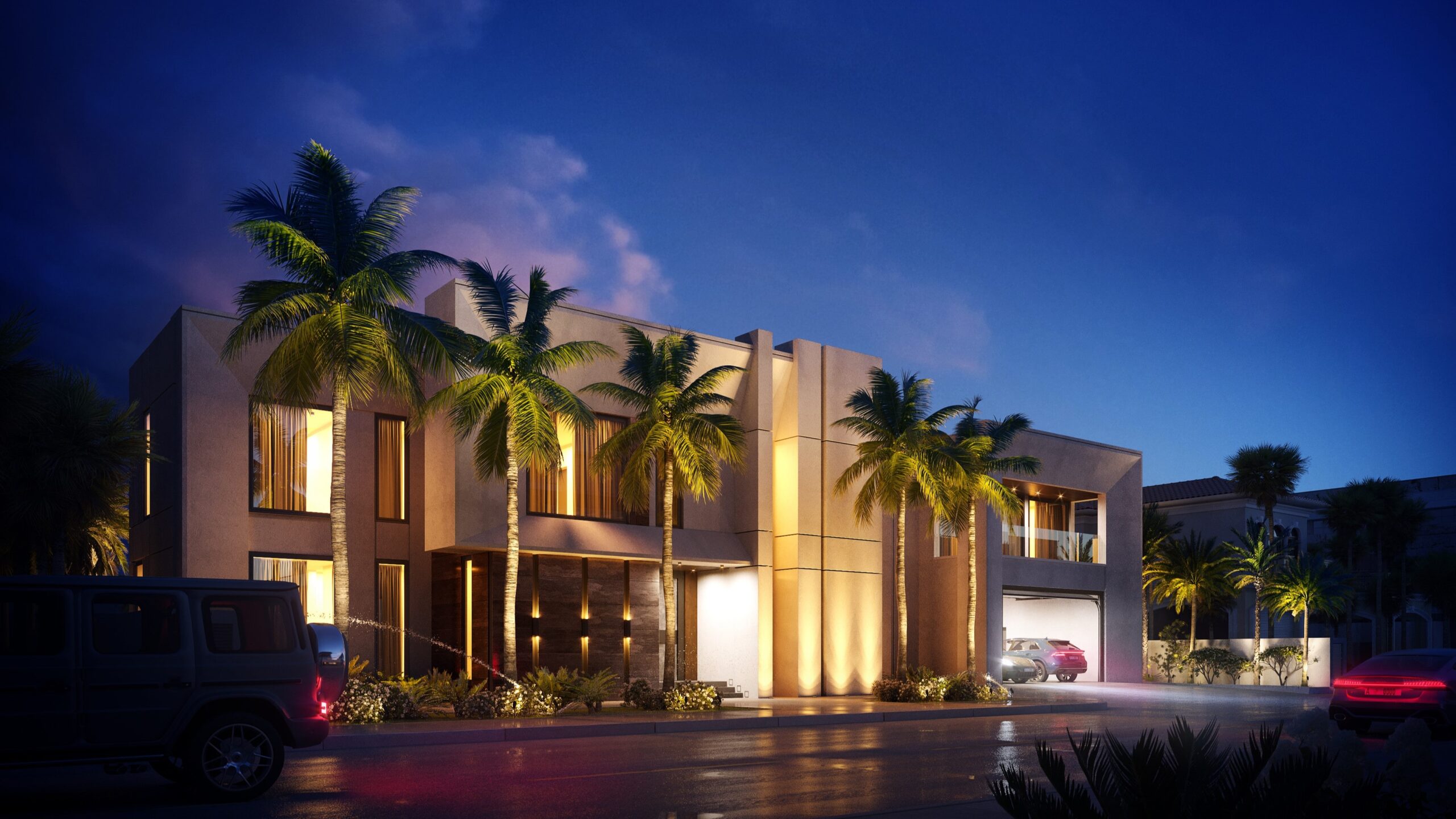
Lighting is a silent yet transformative feature of any modern house facade design. It doesn’t just ensure visibility after dark—it creates atmosphere, emphasizes architecture, and extends the design’s narrative into the night.
Recessed LED strips can outline key geometric elements, while up/down wall lights bring focus to textures like stone or wood. Smart lighting systems even allow homeowners to change colors and intensity, adapting to seasons or moods.
One standout trend is the use of integrated lighting panels within the facade structure itself. These can be programmable and responsive, adding a futuristic touch to modern facades for buildings.
Other innovative features include kinetic panels that respond to wind or light, perforated metal screens that filter sunlight, and dynamic shading systems that adjust to reduce heat gain. All these not only serve functional purposes but also enhance the building’s character.
Best Modern Facades for Buildings
Across diverse regions, climates, and budgets, modern facades for buildings exhibit an exciting range of styles—from stark, minimalist cubes to expressive architectural statements that challenge convention. Whether you’re building a new home or planning a renovation, the facade serves as the architectural handshake—it’s the first impression, and often the lasting one. Two of the most compelling directions in modern house facade design are minimalistic and bold luxury designs. Each offers a distinct experience and architectural language, tailored to different preferences and lifestyles.
Minimalistic Modern House Facades
Simplicity is often the ultimate sophistication—and in modern architecture, minimalism captures this philosophy perfectly. A minimalistic modern house facade doesn’t just embrace simplicity for aesthetic appeal; it’s about clarity, intention, and the quiet power of design restraint.
These modern home facade designs typically feature:
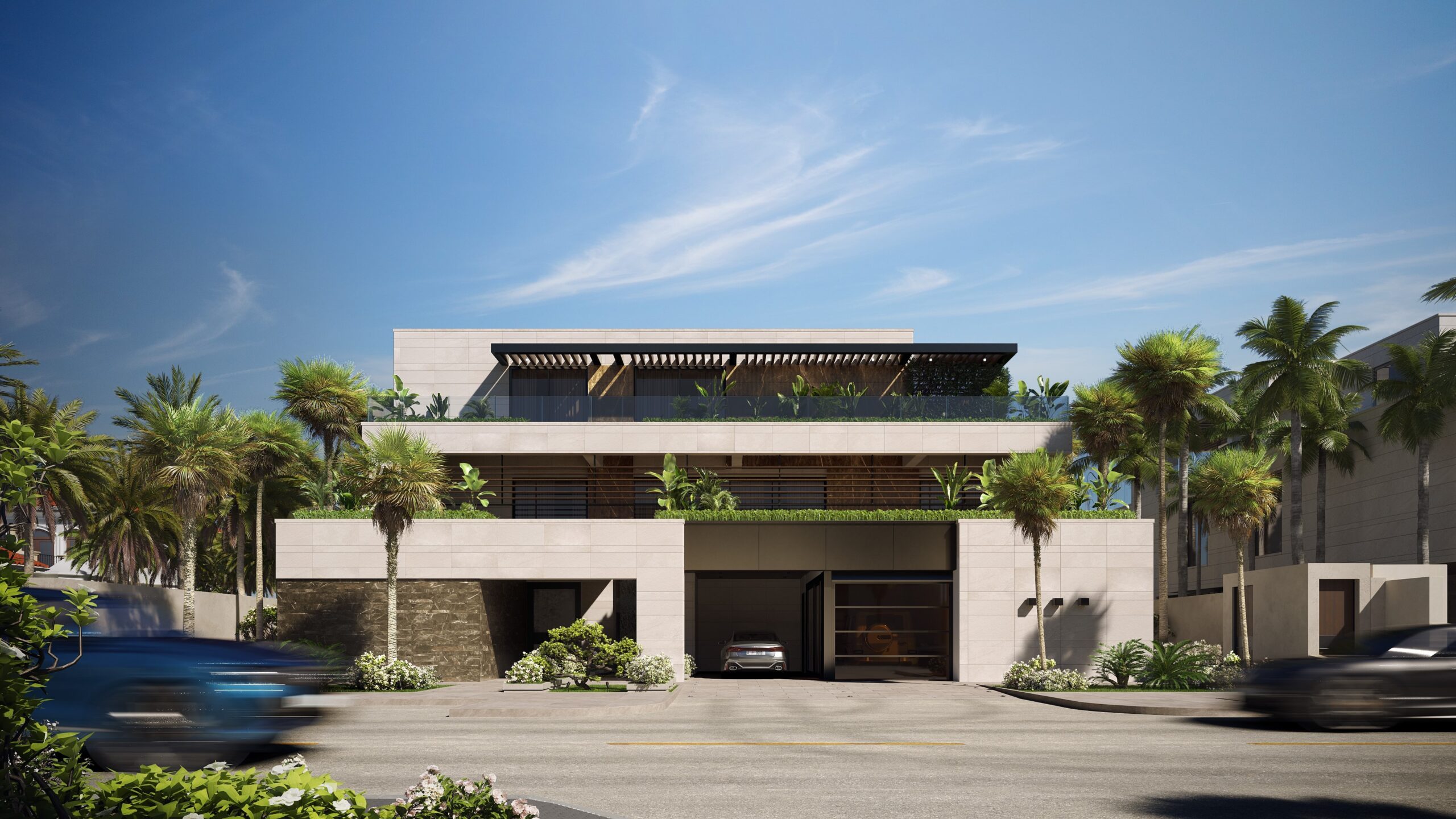
- Flat or low-pitched roofs that emphasize clean silhouettes
- Monochrome or soft neutral color schemes like white, gray, beige, and black
- Honest, natural materials such as timber, smooth concrete, stone, or metal
- Concealed hardware, frameless windows, and flush-mounted doors
The beauty of minimalist facades lies in their discipline. By stripping away excessive detail and decoration, they allow the geometry, proportion, and materiality of the building to shine. Picture a rectangular home clad in light-toned wood, punctuated only by a seamless glass entrance or an oversized pivot door—this kind of simplicity commands quiet attention.
Importantly, minimalism is not about lack. Rather, it’s about precision—every window is placed to optimize light, every material is chosen for its texture or sustainability, and every element works in harmony. This style often aligns with passive design principles, where the layout and orientation enhance energy efficiency. For example, deep overhangs provide shade without compromising the clean lines, and cross-ventilation is achieved through strategically positioned openings.
Minimalist facades are ideal for homeowners who value calmness, order, and timeless design. They offer a sense of peaceful elegance and are especially effective in urban or nature-surrounded settings, where simplicity helps the home blend rather than compete with its environment.
Luxury and Bold Facade Designs
On the opposite end of the design spectrum are luxury modern house facades that make a bold architectural statement. These modern façade buildings are about personality, confidence, and pushing boundaries. They’re not just homes—they’re architectural experiences.
Typically found in upscale neighborhoods or on custom-designed estates, bold facades often feature:
- Towering double-height entrances and overhanging canopies that create a dramatic scale
- A rich mix of materials — think reflective glass, raw corten steel, polished stone, and charred wood (shou sugi ban)
- Floating or cantilevered structures that create tension and intrigue
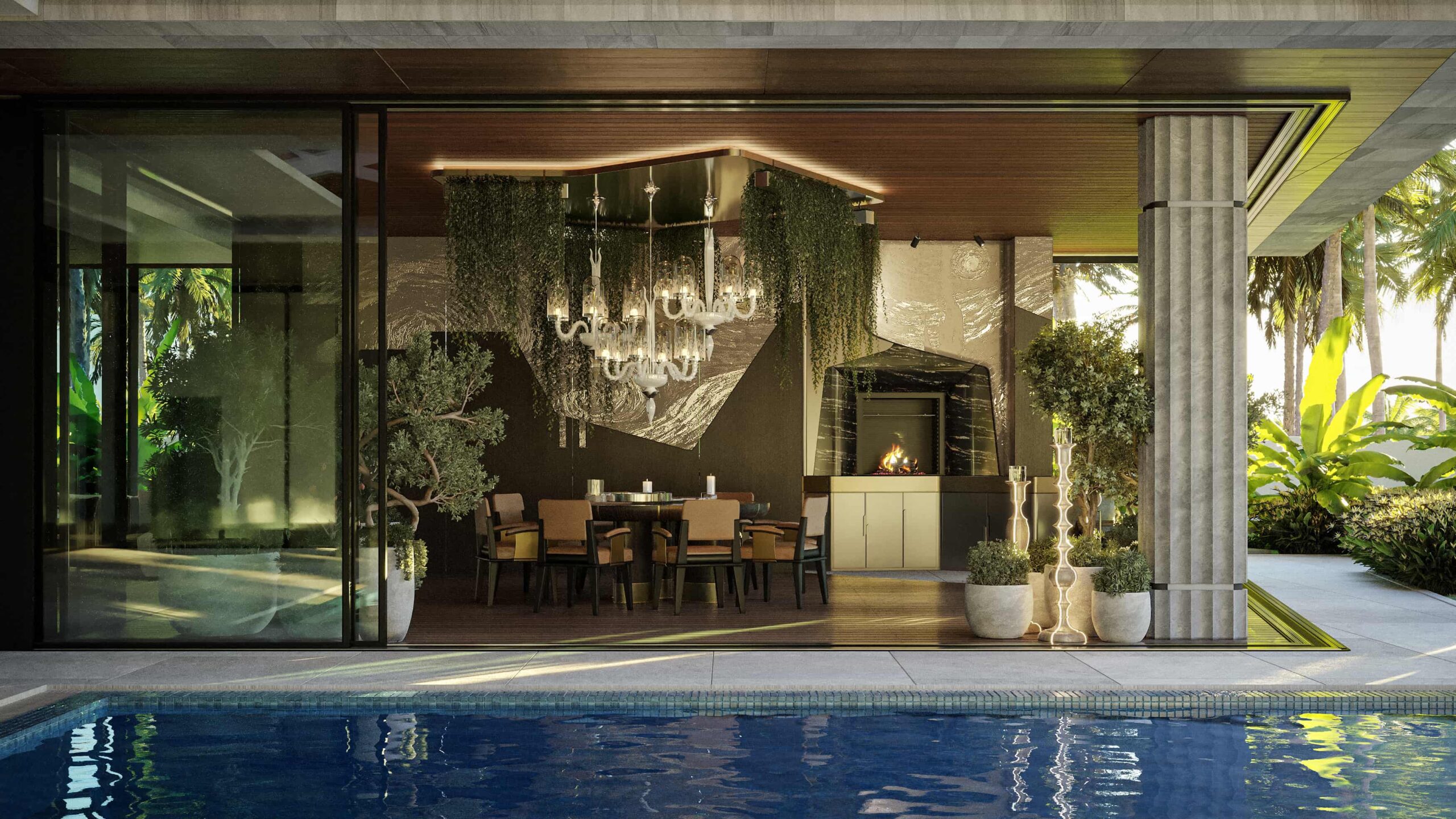
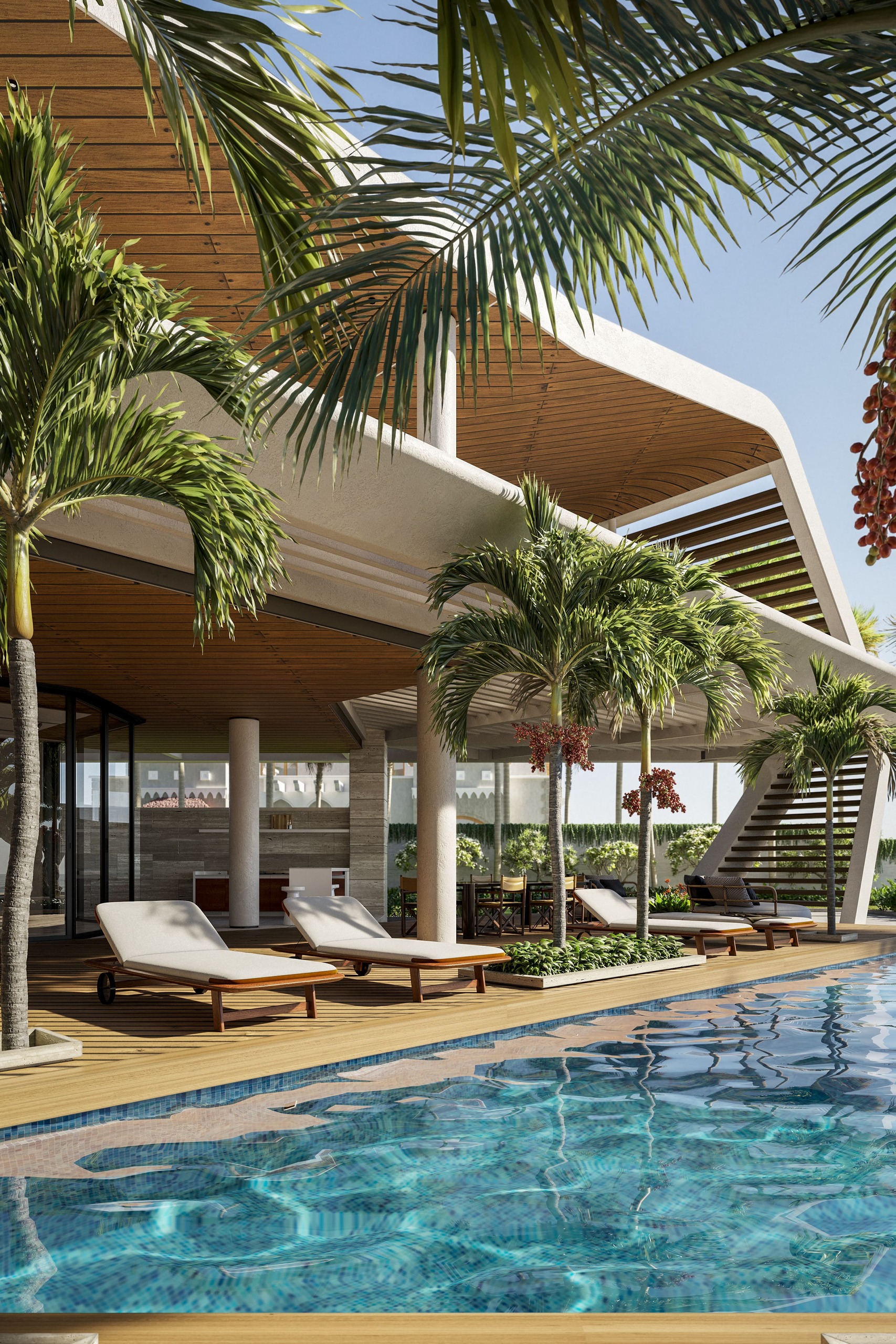
- Integrated landscape elements like water features, vertical gardens, or sculptural walls
These homes use contrast as a defining principle. Juxtapositions between light and dark, solid and transparent, smooth and textured are carefully choreographed to create visual drama. For instance, a blackened steel wall might frame a glowing glass box, or an angular white volume might hover above a reflecting pool.
Yet despite the visual complexity, the best bold facades are never chaotic. They succeed through meticulous detailing, balanced composition, and architectural coherence. Even the most daring designs maintain clarity of form, whether through symmetry, rhythm, or a strong central axis.
A well-designed modern house facade is more than just a visual wrapper—it’s a narrative that unfolds from the first glance. Whether minimalistic or bold, sustainable or luxurious, every facade tells a story of its occupants, the architect’s vision, and the environment it inhabits.
By thoughtfully selecting materials, embracing technological advancements, and balancing innovation with timeless design principles, homeowners and designers can create modern home facade designs that are both inspiring and functional.
As we look to the future of residential architecture, the possibilities for modern house facades continue to expand. Through creativity, sustainability, and precision, each building can become a personal landmark—a reflection of modern life in built form.