The Power of Lighting in Interior Design: Setting the Mood with Illumination
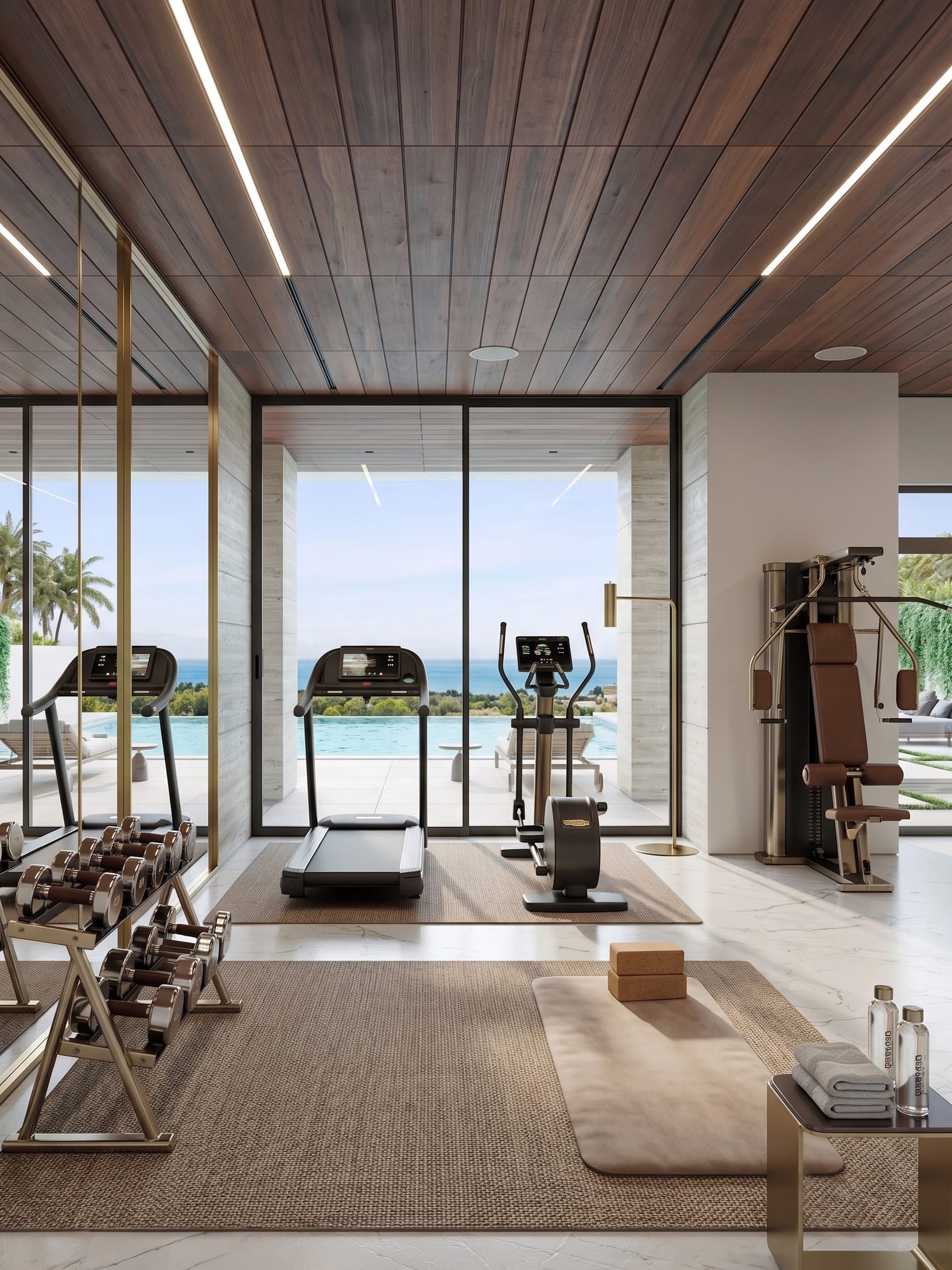
Lighting is one of the most powerful tools in interior lighting design, capable of transforming the mood, functionality, and aesthetic appeal of any space. The right home lighting ideas can turn a dull, uninspiring room into a warm and inviting retreat or a bright and energetic workspace. Whether you’re looking to enhance coziness in your living room, create an elegant dining area, or optimize productivity in a home office, thoughtful lighting choices make all the difference.
In this article, we will explore how lighting in interior design influences emotions, sets the tone for a space, and improves everyday living. By understanding the principles of effective lighting, you can curate an environment that is not only beautiful but also tailored to your lifestyle needs.
Understanding the Role of Lighting in Interior Design
Every well-designed space relies on lighting to shape its ambiance and functionality. Beyond simply illuminating a room, lighting in interior design plays a crucial role in defining depth, highlighting architectural features, and creating a harmonious balance between form and function. A carefully curated lighting plan enhances the way a space is perceived and used, making it more comfortable and visually appealing.
With advancements in modern lighting design, homeowners and designers now have access to innovative solutions that cater to different moods and requirements. From layering ambient, task, and accent lighting to incorporating smart controls for adaptability, the right home lighting ideas can elevate any space. By understanding the interplay between brightness, color temperature, and placement, you can achieve an environment that is both practical and aesthetically pleasing.
Warm vs Cool Lighting: Choosing the Right Mood
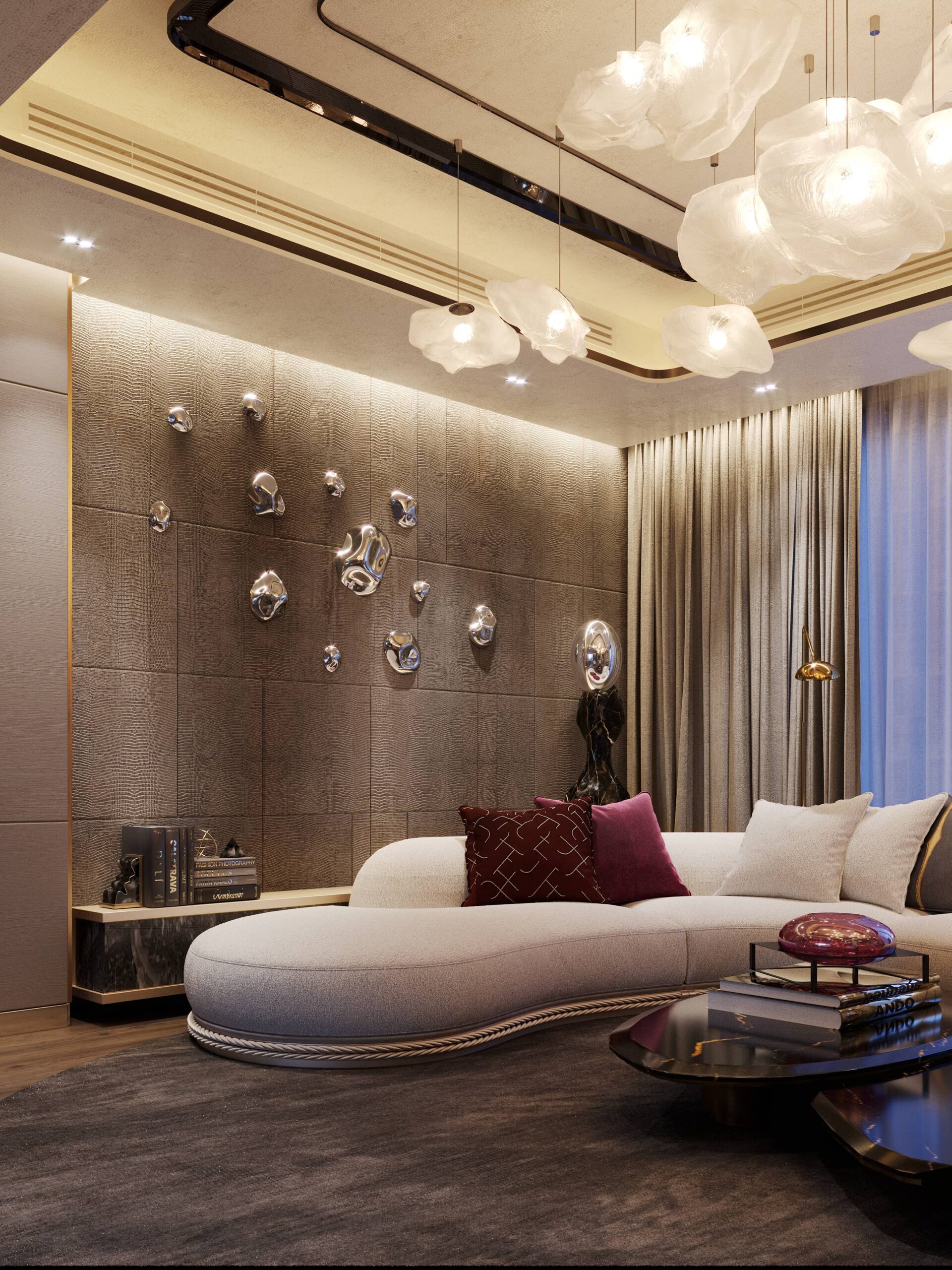
One of the most influential factors in lighting design is color temperature, which dictates the warmth or coolness of light. Understanding the difference between warm vs cool lighting is essential when selecting fixtures for different areas of a home.
Warm lighting (2700K–3000K) — emits a yellowish glow that creates a sense of intimacy and relaxation. It’s commonly used in:
- Living rooms and bedrooms, where a soft, welcoming atmosphere is desired.
- Restaurants and hotels, to evoke comfort and warmth.
- Reading nooks and relaxation zones, as it reduces eye strain and promotes a calming effect.
Cool lighting (3500K–5000K) — has a crisp, bluish-white tone that enhances focus and clarity. It is ideal for:
- Kitchens, where precision is required for cooking and food preparation.
- Bathrooms, for accurate color representation when applying makeup or grooming.
- Offices and study areas, to boost alertness and productivity.
Choosing between warm and cool lighting to set the mood should be based on the purpose of the space. Many modern homes incorporate adjustable or smart lighting that allows users to switch between different color temperatures based on the time of day or activity.
The Impact of Lighting on Room Atmosphere
Lighting has a profound psychological impact, influencing emotions, energy levels, and the overall perception of a space. The right mood lighting ideas can completely redefine how a room feels, helping to create an inviting and comfortable environment tailored to specific needs.
- Soft, warm lighting fosters relaxation, making it perfect for unwinding after a long day. Whether used in a bedroom, living room, or reading nook, warm lighting contributes to a soothing ambiance that encourages rest and tranquility.
- Bright, cool lighting enhances concentration and energy levels, making it ideal for home offices, study areas, and kitchens. This type of lighting helps create an atmosphere of alertness and efficiency, supporting productivity throughout the day.
- Dimmable lighting options provide ultimate versatility, allowing users to adjust brightness based on the time of day or activity. With the ability to shift from bright and energetic to dim and relaxing, dimmable lighting is essential for multi-functional spaces.
One of the key factors in achieving a comfortable and visually appealing home is the balance between shadows and brightness. Overly harsh lighting can create unwanted glare, while insufficient lighting can make a room feel unwelcoming and dull. A well-executed lighting for cozy home strategy should incorporate layered lighting techniques, such as a combination of overhead lights, accent fixtures, and ambient lighting, to create a warm and inviting environment. By carefully selecting and positioning different light sources, homeowners can enhance both the functionality and aesthetic of their spaces while ensuring a cozy and harmonious atmosphere.
Key Principles of Interior Lighting Design
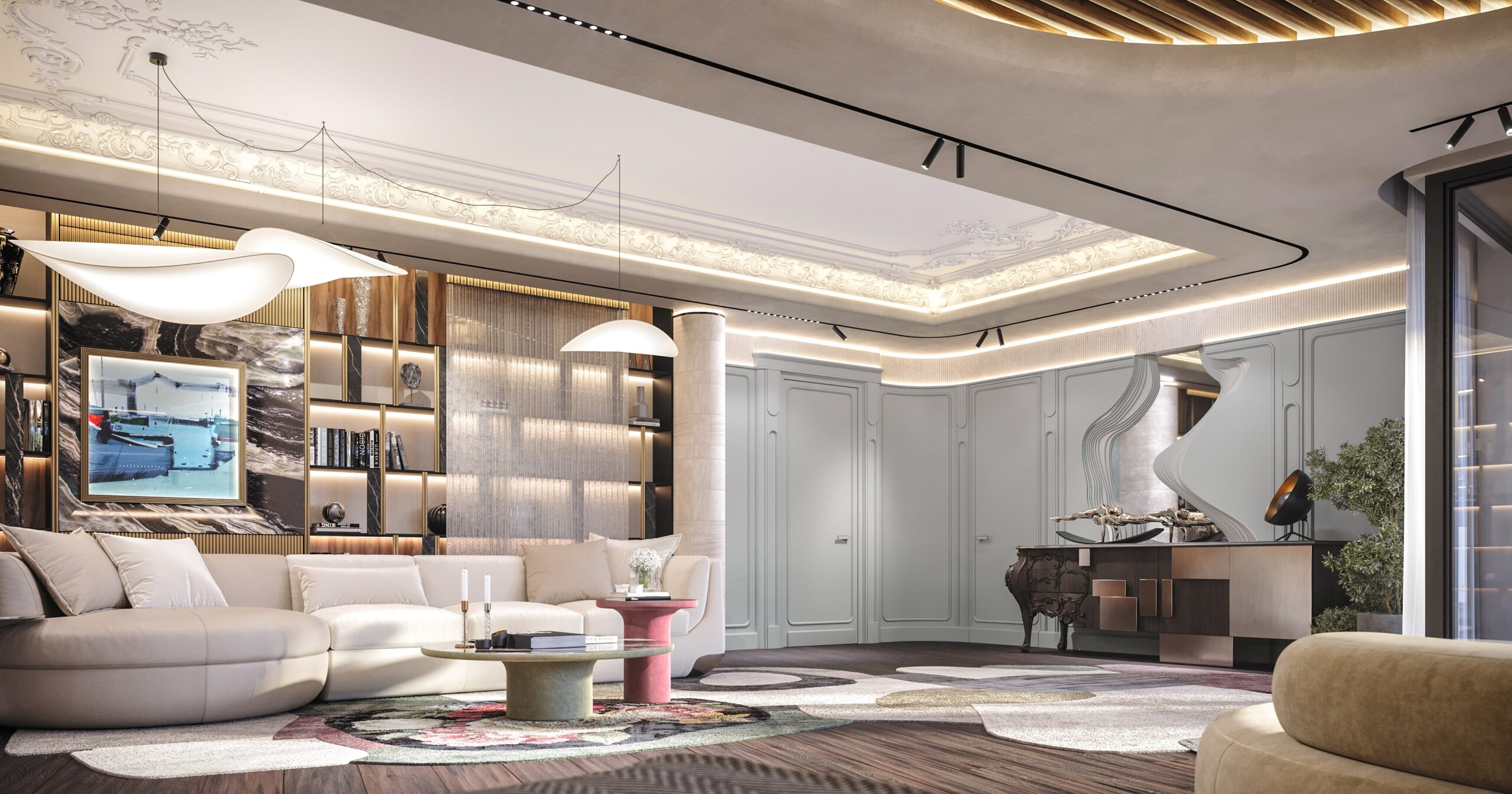
A successful interior lighting design follows core principles that ensure both beauty and functionality. One of the most essential aspects of lighting design is understanding how to layer different types of lighting to achieve a well-balanced, visually appealing environment. A well-thought-out ambient lighting design provides the foundation for illumination, ensuring that a space feels welcoming and evenly lit. Meanwhile, a carefully planned lighting placement guide helps optimize fixture locations to enhance both practicality and aesthetics. By integrating these principles, homeowners and designers can create spaces that are not only beautiful but also highly functional.
Layering Light: Ambient, Task, and Accent Lighting
A well-designed lighting scheme consists of three primary layers, each serving a unique function:
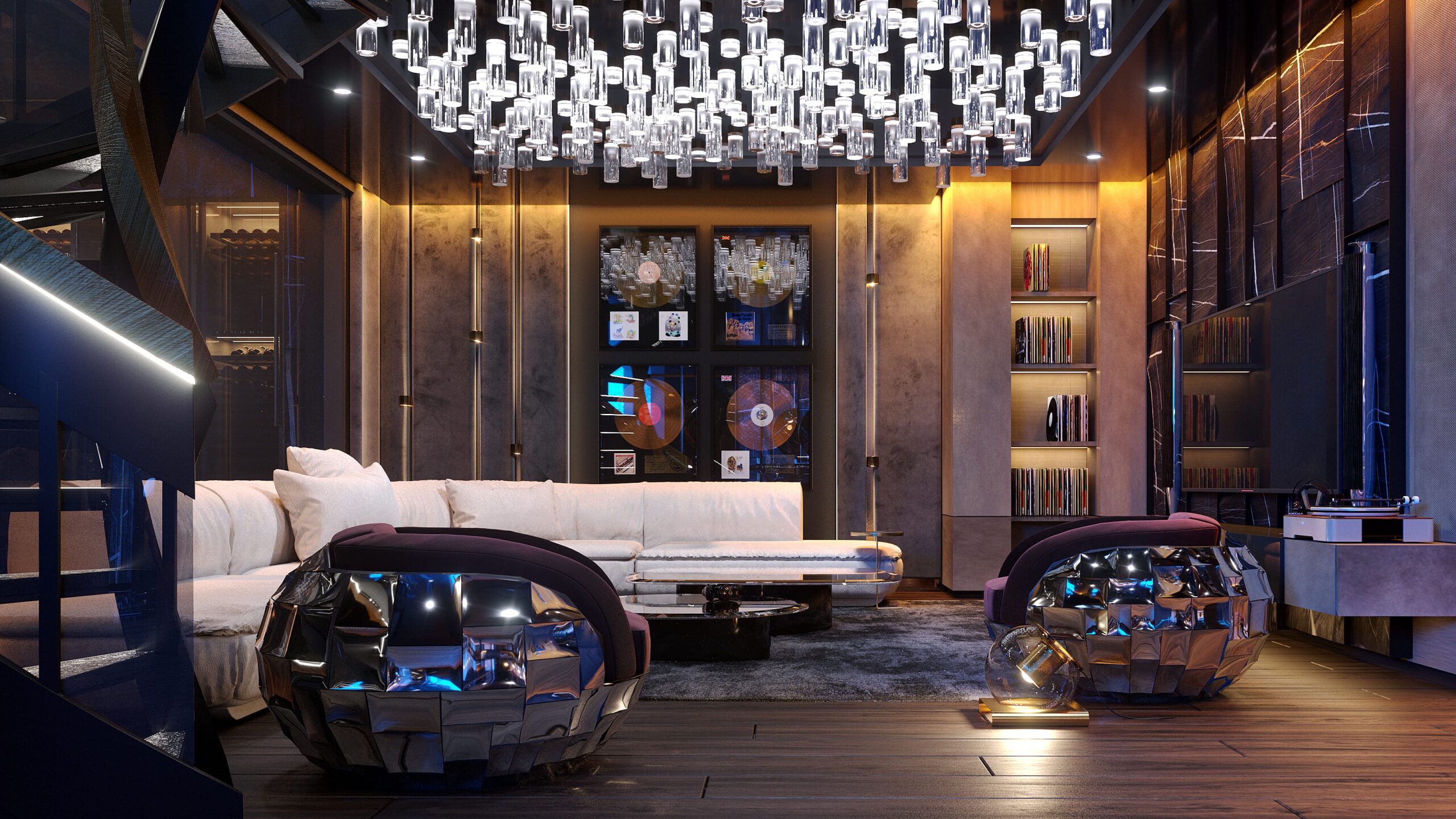
- Ambient lighting design — the foundation of illumination, ensuring consistent brightness throughout the space. Common sources include chandeliers, ceiling-mounted fixtures, recessed lighting, and large pendant lights. This layer provides overall visibility while maintaining a comfortable glow.
- Task lighting — focused lighting for specific activities like reading, cooking, or working. Examples include desk lamps in offices, under-cabinet lighting in kitchens, and vanity mirror lights in bathrooms. Proper placement minimizes shadows and enhances visibility where precision is required.
- Accent lighting — decorative lighting used to highlight architectural features, artwork, or design elements. Track lights, wall sconces, and LED strips add depth and contrast, making a space feel more dynamic and visually appealing.
Layering these lighting sources creates a balanced, functional, and aesthetically pleasing environment.
Lighting Placement Tips for Different Rooms
Proper lighting placement guide strategies enhance spatial dynamics and usability. Each room in a home has unique lighting requirements, and understanding how to position different light sources effectively can make a significant difference. Here are some of the main room lighting tips:
- Living rooms — a combination of ceiling-mounted lights, floor lamps, and table lamps offers flexibility for different moods and activities. Dimmable lighting is particularly useful for adjusting brightness based on the time of day.
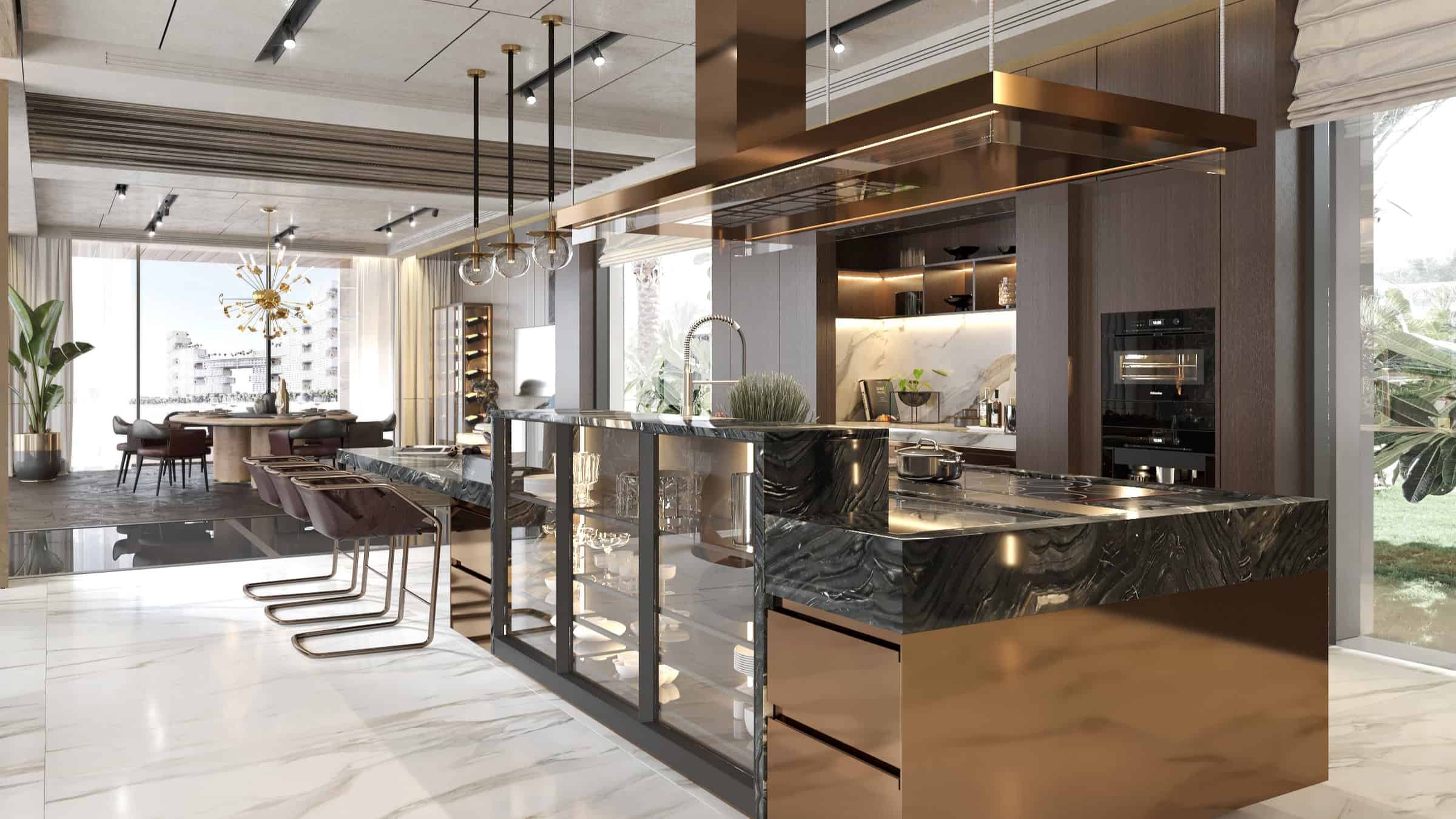
- Kitchens — bright overhead lighting combined with task lighting under cabinets ensures adequate visibility for cooking and meal preparation. Pendant lights above kitchen islands also add a stylish touch.
- Bedrooms — layering soft bedside lamps with dimmable ceiling fixtures creates a relaxing ambiance. Consider incorporating smart lighting to adjust brightness levels with ease.
- Bathroom — proper lighting around mirrors is essential for grooming tasks. Sconces or backlit panels provide even illumination, preventing shadows and enhancing clarity.
Correctly placed lighting prevents harsh shadows, improves functionality, and contributes to a visually appealing environment.
Choosing the Best Lighting for Your Home
Selecting the best lighting for home involves careful consideration of space functionality, style, and technological advancements. Thoughtfully chosen home lighting ideas can enhance both the aesthetic and practicality of a space, ensuring the right balance of brightness and ambiance. With the advent of smart lighting systems, homeowners now have more control over their indoor illumination, allowing them to adjust settings for different activities and moods. Whether creating a relaxing retreat or a vibrant, energy-filled space, selecting the right lighting for cozy home helps craft an inviting and comfortable environment tailored to personal preferences.
Selecting Lighting for Living Rooms and Bedrooms
Both living rooms and bedrooms require adaptable lighting to accommodate various activities. Best lighting for home scheme should provide flexibility, allowing homeowners to create different atmospheres depending on the time of day and purpose. Some of the key room lighting tips to set the mood are:
- Dimmable ceiling lights enable mood adjustments for relaxation, social gatherings, or nighttime reading.
- Wall sconces and table lamps provide softer, localized illumination that enhances comfort and aesthetics.
- Smart lighting solutions allow remote control and customization of brightness and color temperatures, making it easy to transition between a cozy and functional ambiance.
- Layered lighting combinations help create a visually dynamic space. For instance, pairing overhead ambient lighting with accent lighting in alcoves or bookshelves adds depth and sophistication to a living room.
- Warm vs cool lighting adjustments can enhance comfort. A bedroom benefits from warmer tones to promote relaxation, while a living room can have adjustable lighting to cater to various moods and activities.
Decorative Lighting Ideas for Your Space
Beyond functionality, lighting serves as an artistic component in stylish lighting design. Thoughtfully selected decorative lighting ideas allow homeowners to inject personality and charm into their living spaces while maintaining practicality.
- Pendant lights above dining tables or kitchen islands act as stylish focal points, adding both illumination and aesthetic appeal.
- Backlit panels can create a soft, futuristic glow, perfect for modern interiors seeking a sleek ambiance.
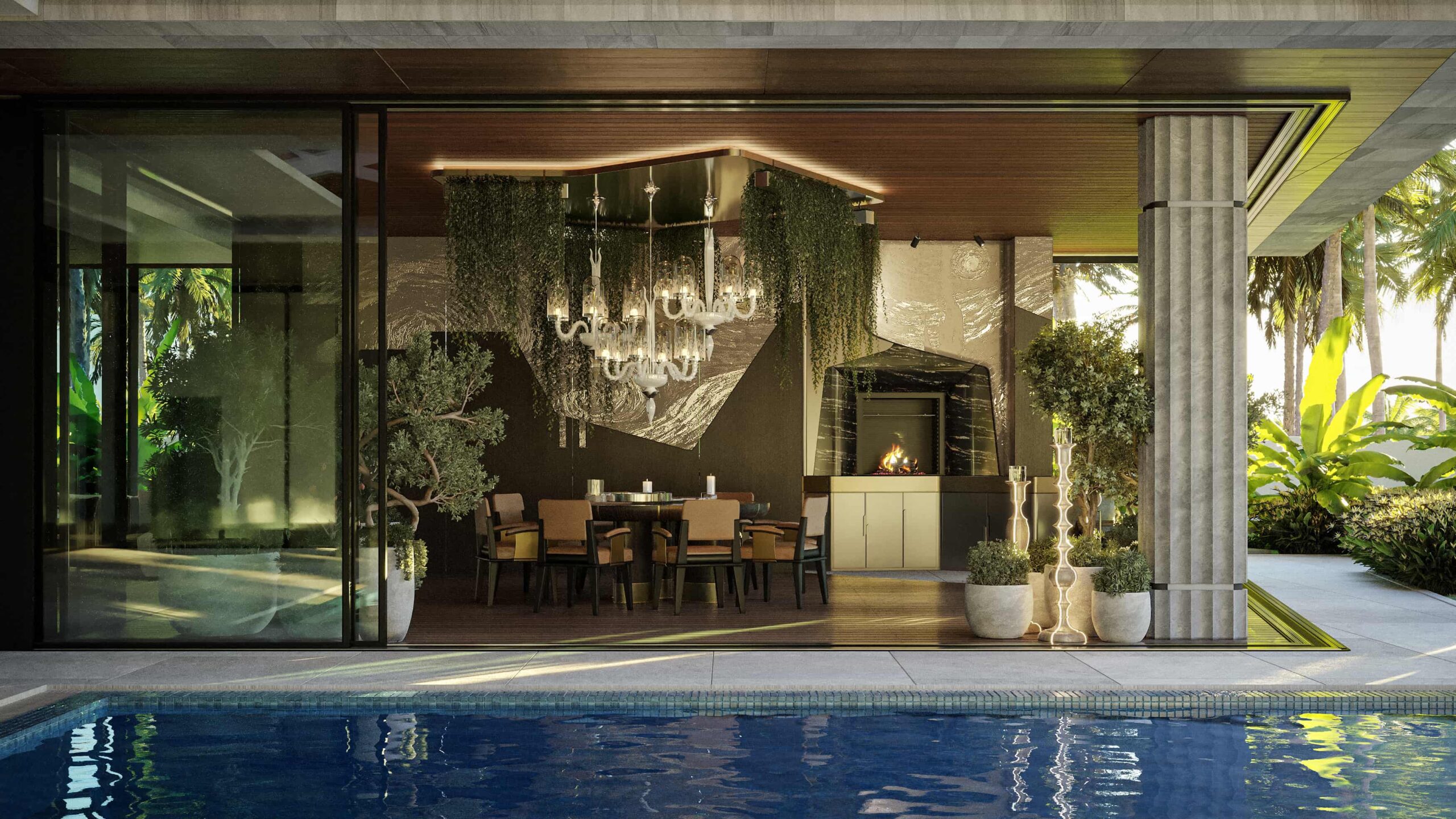
- Vintage chandeliers add elegance and sophistication, making them ideal for classic and traditional spaces that require a timeless touch.
- LED strip lighting installed under furniture, along walls, or in recessed ceiling areas can create a stunning, futuristic look while improving ambient illumination.
- Statement floor lamps and sculptural lighting pieces not only provide illumination but also act as artistic centerpieces that contribute to a space’s overall decor.
By incorporating home lighting ideas that combine both function and artistry, homeowners can craft spaces that are both beautiful and livable. Modern lighting solutions now offer energy-efficient and smart options, ensuring convenience without compromising style.
Conclusion: Enhancing Your Interior with the Right Lighting
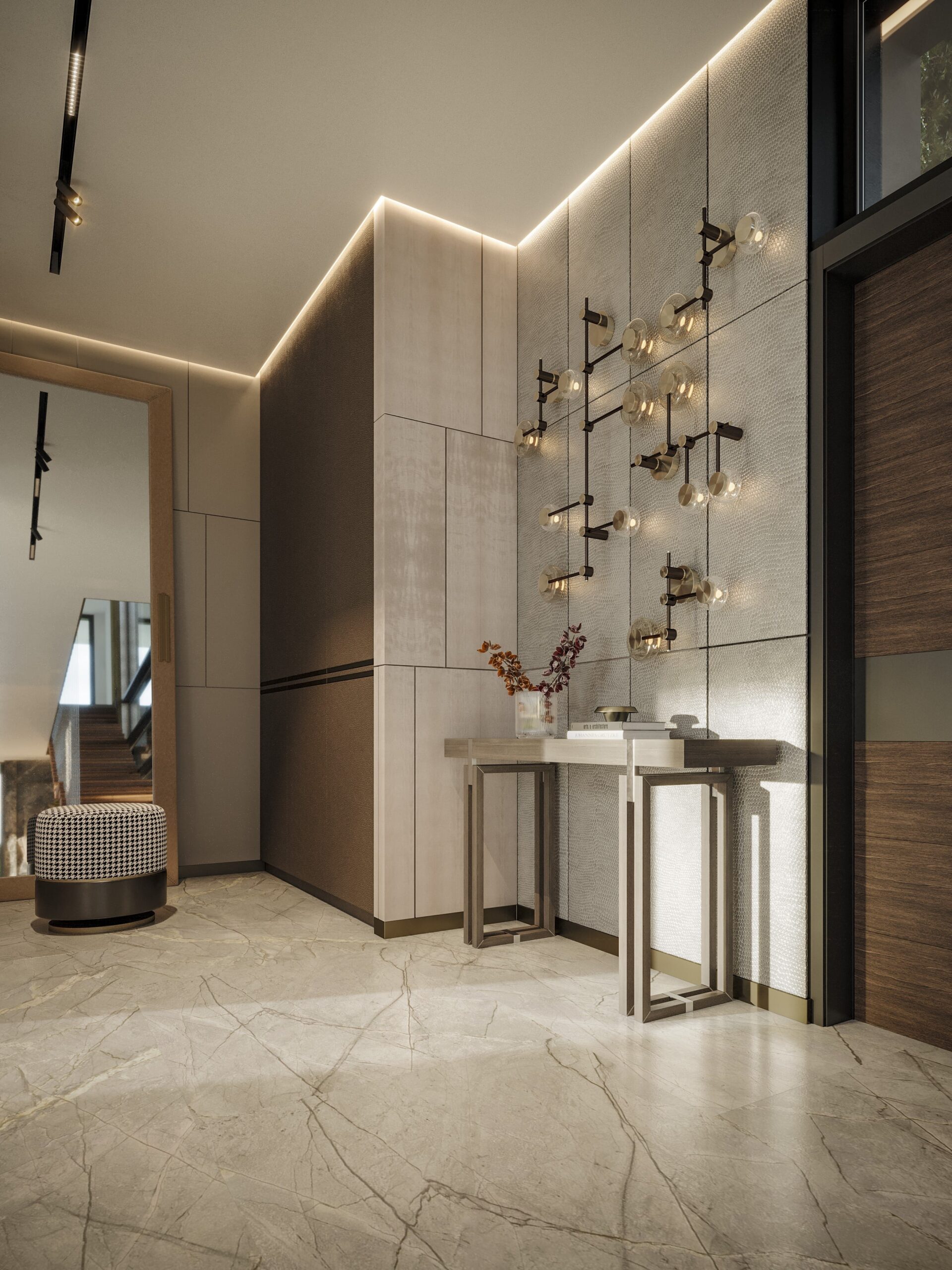
Mastering lighting in interior design requires a holistic approach that balances ambiance, efficiency, and aesthetics. Whether through home lighting ideas that prioritize comfort, or modern lighting design techniques that enhance functionality, proper lighting choices elevate the overall experience of a space.
By combining warm vs cool lighting, layering different light sources, and carefully considering fixture placement, homeowners and designers can craft interiors that not only look stunning but also cater to diverse needs. Investing in smart, adaptable lighting solutions ensures that any space remains versatile and inviting, no matter the time of day or occasion.