Eclectic Interior Design Style
Eclectic interior design is a celebration of individuality and creativity, a blend of diverse influences that come together to form something uniquely beautiful. At its core, eclectic style interior design defies the limitations of a single style, allowing homeowners to mix and match colors, textures, time periods, and cultural elements to create a personal and harmonious space. It invites bold choices and imaginative combinations, making it one of the most liberating and personal styles in interior design.
This article explores the essence of eclectic design and offers practical tips, room-by-room inspiration, and insight into why this style is growing in popularity among homeowners, designers, and creative individuals alike. Whether you’re designing from scratch or looking to refresh your space, mastering the eclectic interior design style can help you express your personality and craft an inspiring home.
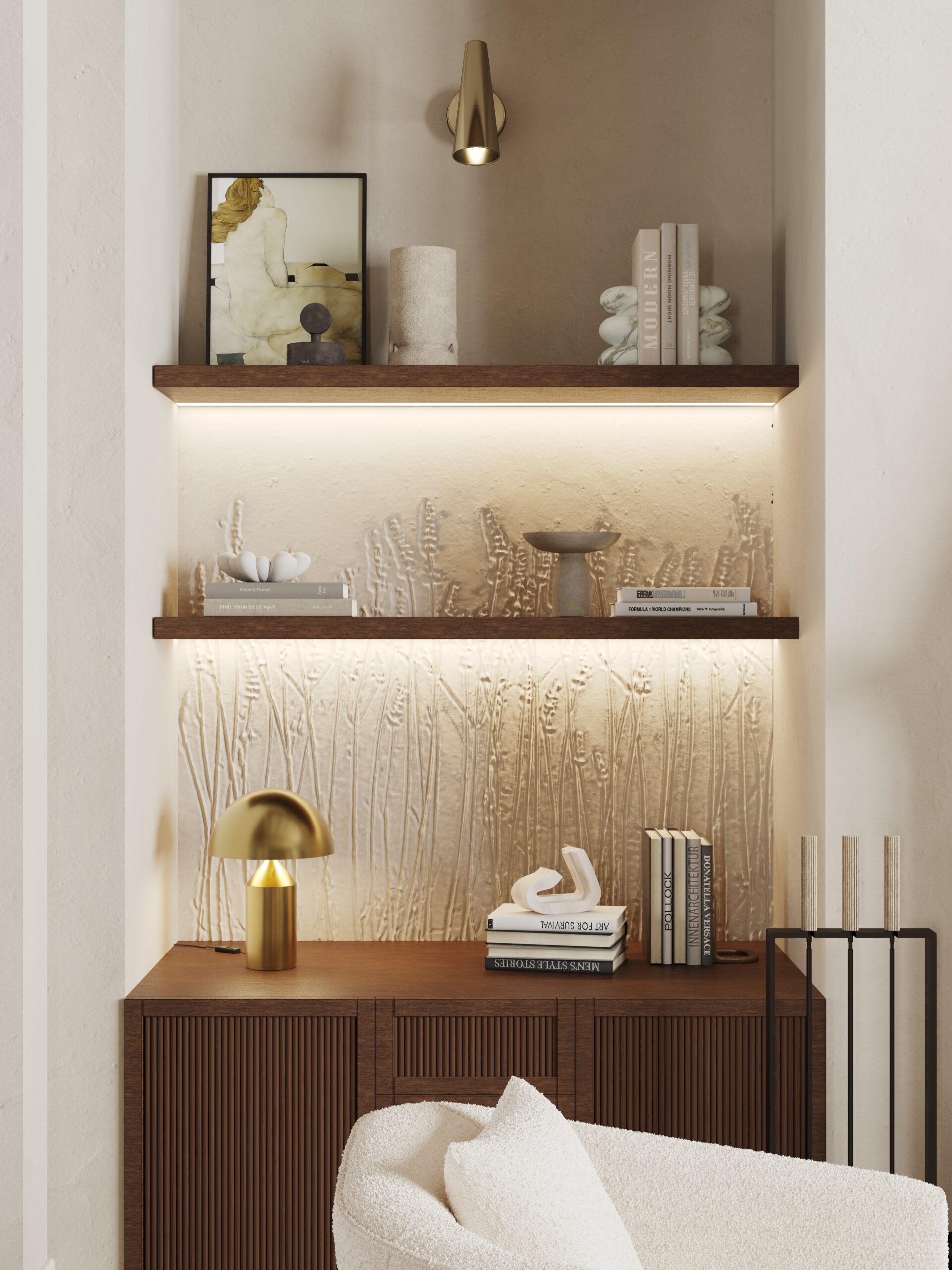
What is Eclectic Interior Design Style?
Eclectic interior design styles embrace a curated approach to decorating, where different design periods and aesthetics co-exist seamlessly. This style is not about randomness or clutter, it’s about balance and intentionality. The goal is to craft a cohesive look by skillfully combining disparate elements that might not traditionally go together but somehow work in harmony.
The eclectic approach gives you permission to be playful and inventive. It’s ideal for those who have a wide range of tastes and don’t want to commit to just one look. By layering design elements thoughtfully, you can transform your home into a dynamic, story-filled environment that feels cohesive yet ever-evolving.
Eclectic interiors often contain pieces collected over time. A homeowner may combine a Scandinavian-inspired dining table, a Moroccan rug, and mid-century modern chairs, and it all works because the space is tied together through repetition of colors, patterns, or textures. This form of interior design, eclectic style, relies on creating visual interest through contrast while ensuring that there is always an underlying thread that connects each piece.
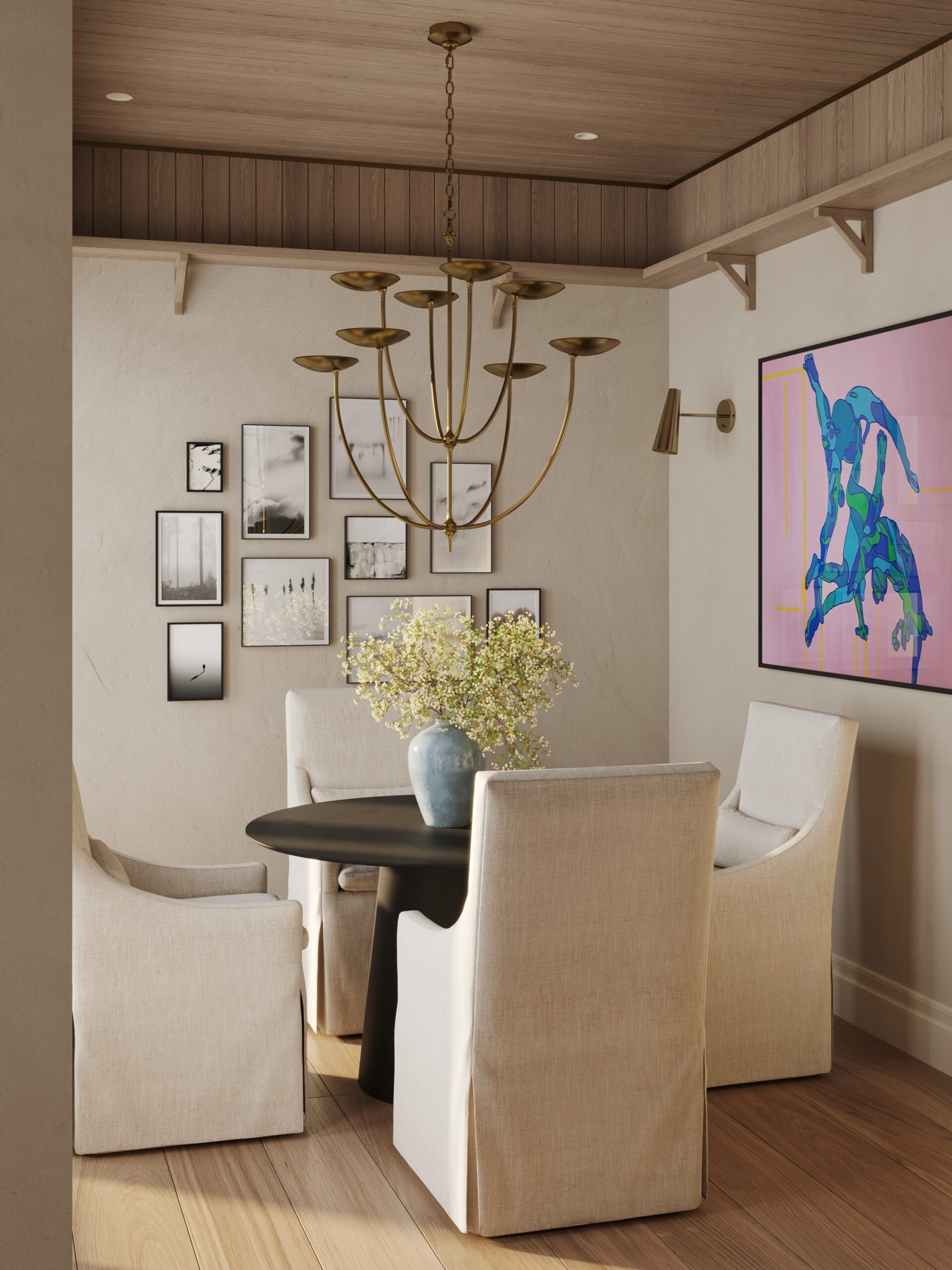
The Origins of Eclectic Design
Eclectic design as a formal movement began in the late 19th century, primarily in architecture and fine arts. Artists and designers started rejecting the rigid boundaries of traditional styles, experimenting with mixing influences from different cultures and historical periods. The goal was not to replicate the past but to reinterpret it, resulting in a new, layered aesthetic.
In interior design, eclecticism gained traction in the early 20th century but truly flourished in the post-war era. Mid-century homes became blank canvases for creative expression, especially during the 1960s and 1970s, when the Bohemian lifestyle embraced freedom, individuality, and the blending of global influences.
As globalization increased, so did access to various design elements from around the world. Today, the interior design style eclectic often reflects multicultural inspiration, travel souvenirs, heirlooms, and pieces sourced from flea markets or artisan makers. The evolution of eclectic design mirrors our increasingly interconnected world and our desire to bring personal history and global stories into our living spaces.
Key Characteristics of Eclectic Design
What sets an eclectic style of interior design apart from other styles is its deliberate juxtaposition of contrasts. This may include the combination of:
- Historical periods – Victorian armchairs paired with ultra-modern coffee tables.
- Textures and materials – leather with velvet, brass with reclaimed wood.
- Colors and patterns – jewel tones next to soft pastels, tribal prints beside florals.
- Furniture styles – minimalist lighting over a baroque sideboard.
Yet despite the diversity, the space feels whole, not chaotic. This cohesion is often achieved through a few guiding principles:
- Repetition – recurring colors, shapes, or materials provide continuity.
- Balance – mixing bold elements with neutral or grounding ones to avoid overwhelm.
- Layering – designing in levels: base furniture, then lighting, art, and finally, decorative objects creates depth and sophistication.
- Personality – every eclectic space tells a story about its creator, often reflecting their travels, hobbies, and heritage.
In a world where we often feel pressured to choose one aesthetic, eclectic interior design empowers us to embrace the complexity of our tastes.
How to Achieve an Eclectic Interior Design Look
While eclectic style in interior design may appear effortless, it benefits from thoughtful curation and a foundational understanding of design principles. Below are strategies to help you confidently bring this style into your home.
Mixing Colors and Patterns
Color is one of the most powerful tools in creating an eclectic interior design style. Rather than sticking to a traditional palette, eclectic interiors often use color to create contrast or highlight focal points. A cobalt blue sofa against a mustard wall, or emerald curtains with a blush-pink rug, can create striking combinations that feel fresh and unique.
Patterns add another layer of complexity. Florals, geometrics, animal prints, and abstract designs can all live in harmony when balanced correctly. One strategy is to choose one dominant pattern and layer smaller, secondary patterns that share a similar color family. Another approach is to contrast sharp geometries with organic forms to keep the eye moving and engaged. Don’t be afraid to experiment with eclectic style in interior design. Mix ikat with stripes, or plaid with paisley. Just ensure there’s an intentional rhythm, using accessories like cushions, throws, or curtains to repeat and reinforce key motifs.
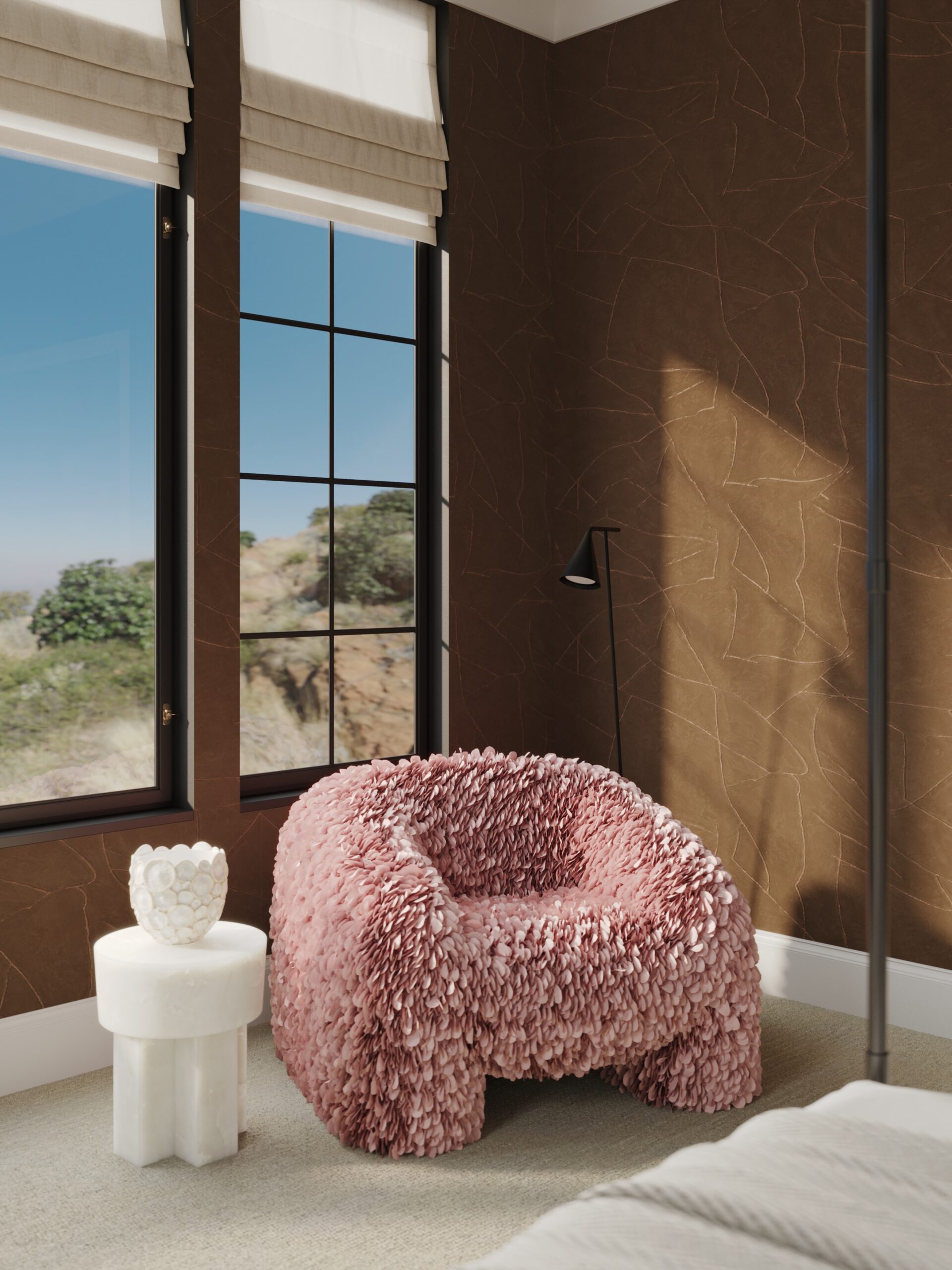
Combining Vintage and Modern Elements
One of the defining traits of eclectic design is the ability to bridge generations. By placing vintage elements alongside modern pieces, you inject soul and narrative into your space. The beauty lies in the tension between the old and the new. Consider an antique writing desk paired with a contemporary acrylic chair. Or a vintage Persian rug anchoring a minimalist glass coffee table. Modern art can hang above a carved, aged mantel. These combinations reflect the idea that design is not static — it evolves as we do.
You don’t need to spend a fortune on antiques either. Flea markets, estate sales, and online marketplaces often offer one-of-a-kind finds. These treasures not only add charm but also sustainability to eclectic interior design styles.
Use of Textures and Materials
Texture is the secret ingredient that brings an eclectic style in interior design to life. Mixing tactile elements adds warmth and dimension, inviting interaction and comfort. Imagine a room where a chunky knit blanket lies across a tufted velvet sofa, with a nearby rattan chair and a marble coffee table all under a linen pendant lamp.
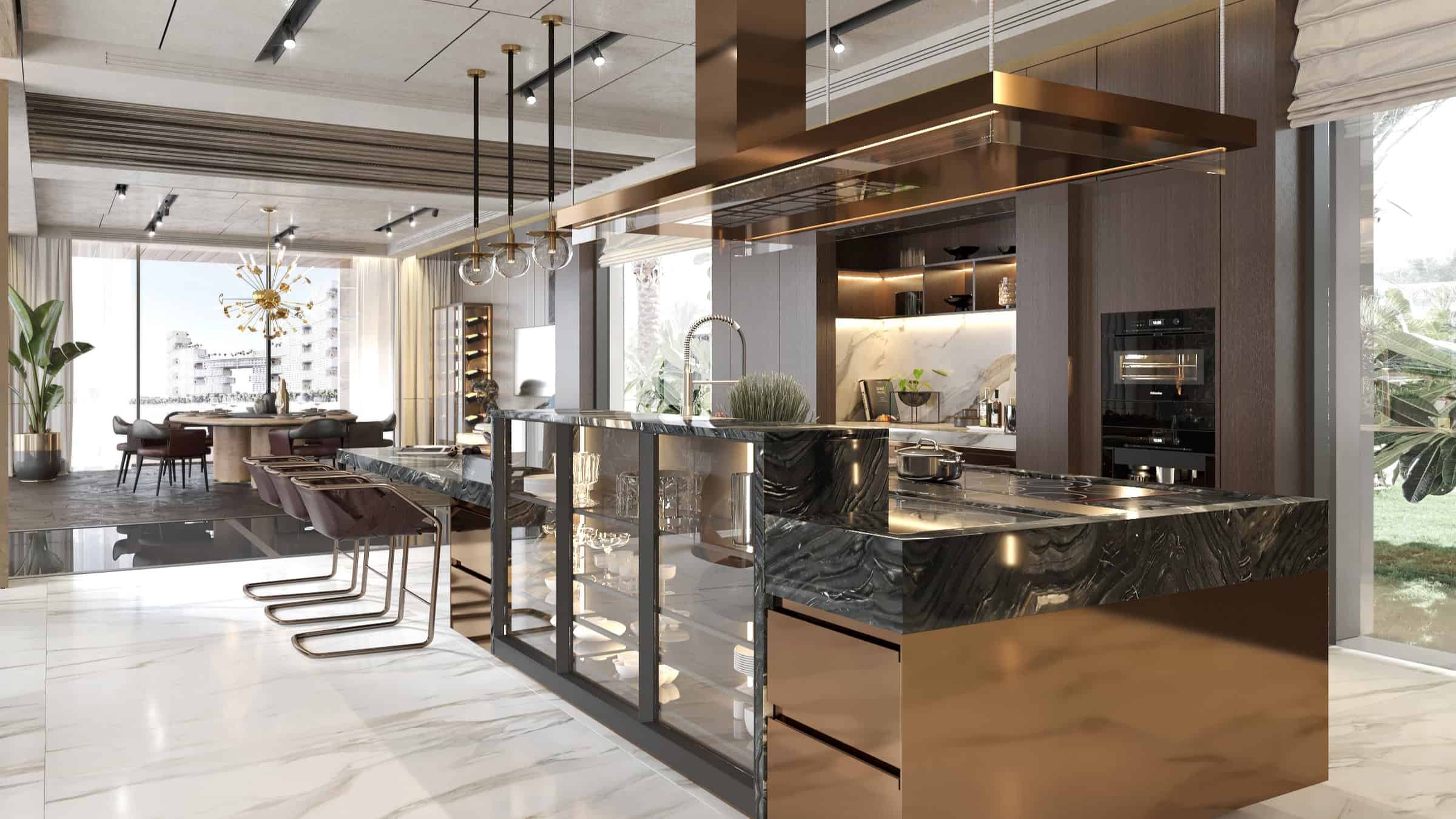
Layering materials makes a space feel dynamic. Pair rough with smooth, matte with glossy, and natural with synthetic. Metals like brass or copper can provide shine, while reclaimed wood and terracotta introduce an earthy contrast. Don’t underestimate textiles in eclectic interior design either: tapestries, rugs, upholstered furniture, cushions, and drapery all add richness. Texture not only enhances visual depth but also appeals to our senses, making the environment feel more intimate and lived-in.
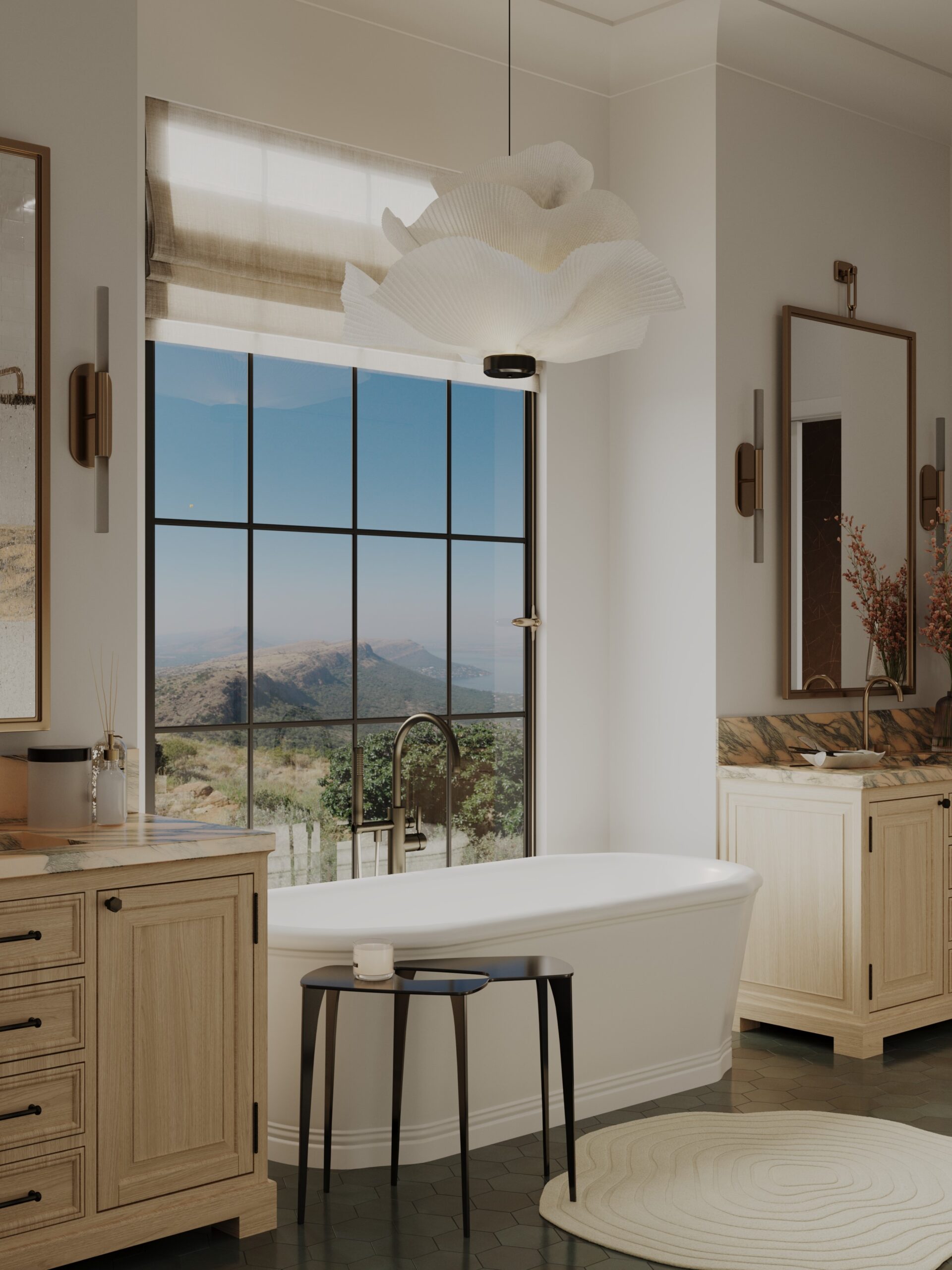
Eclectic Style Interior Design in Different Rooms
The adaptability of eclectic interior design is one of its greatest strengths. This style can be tailored to every room in your home, each space offering a new opportunity to express your tastes, interests, and creativity.
Eclectic Living Room Ideas
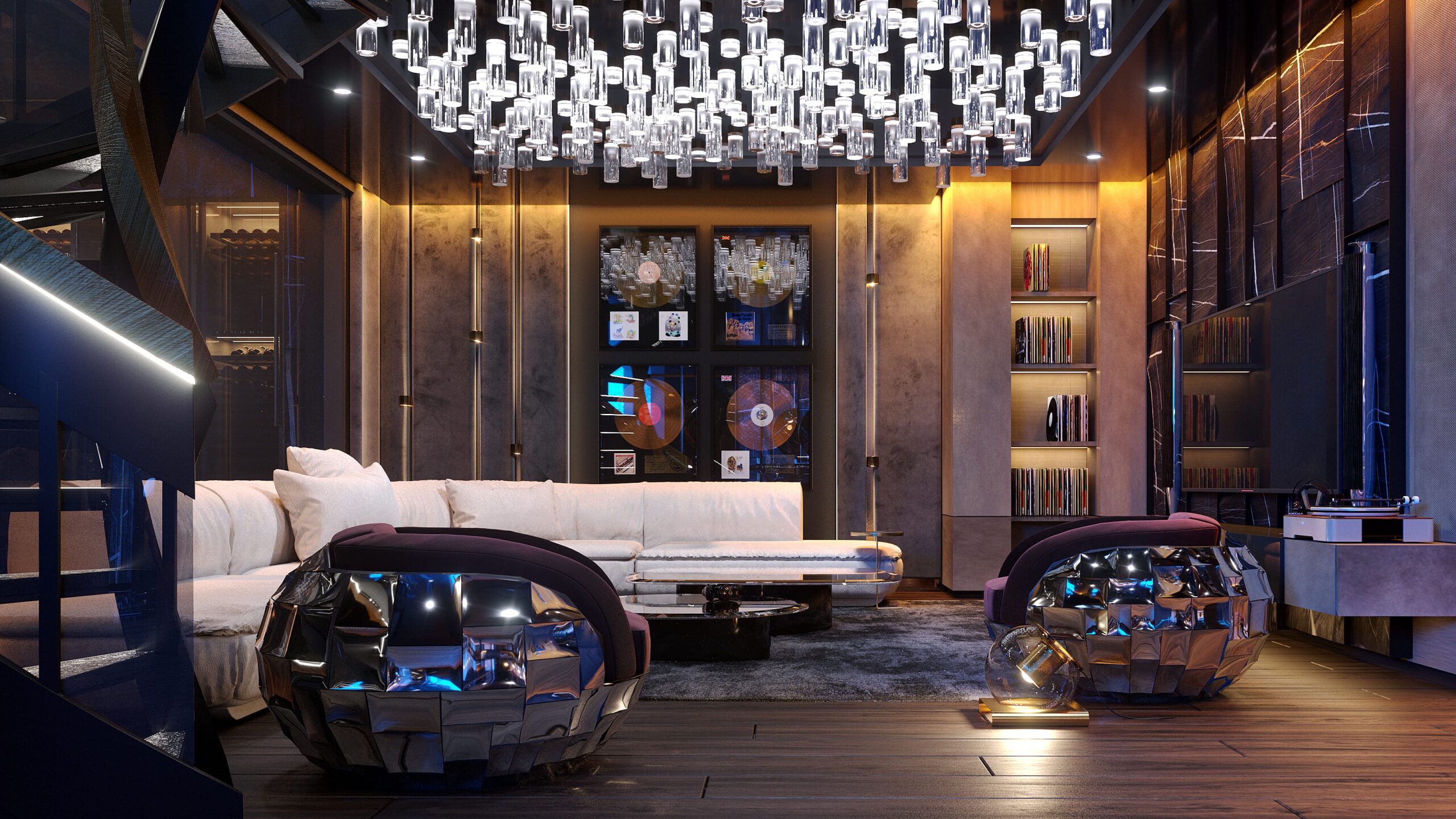
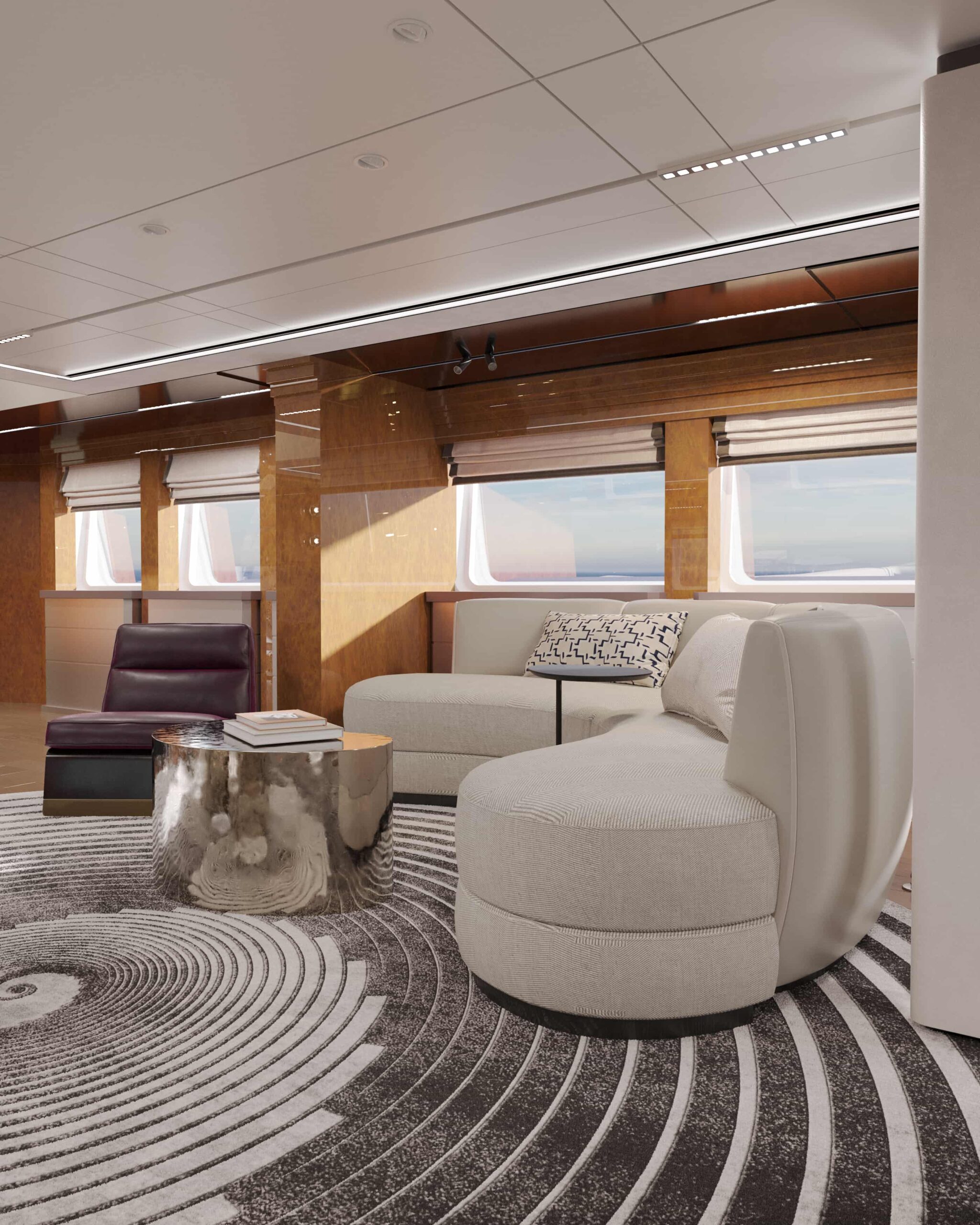
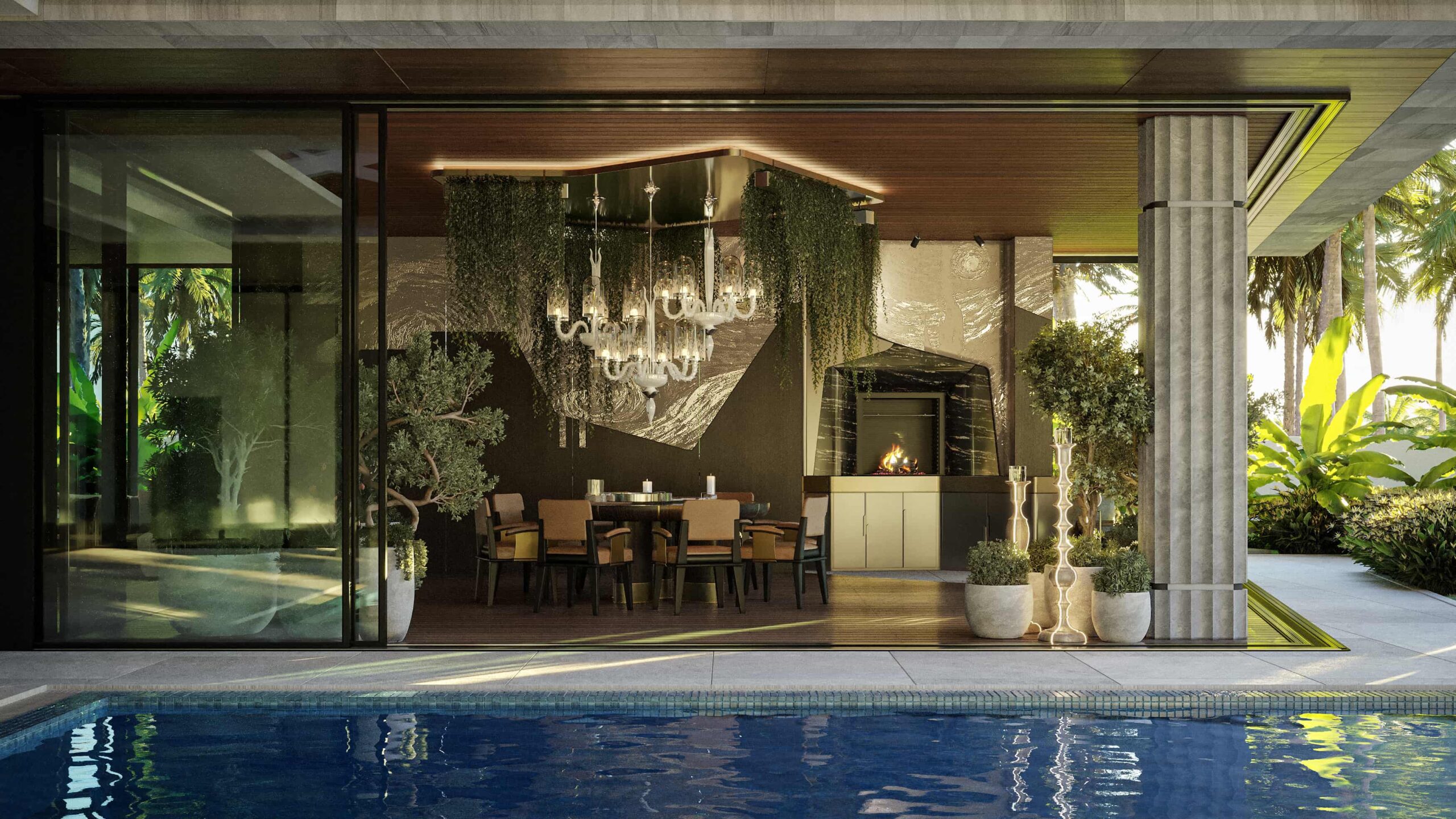
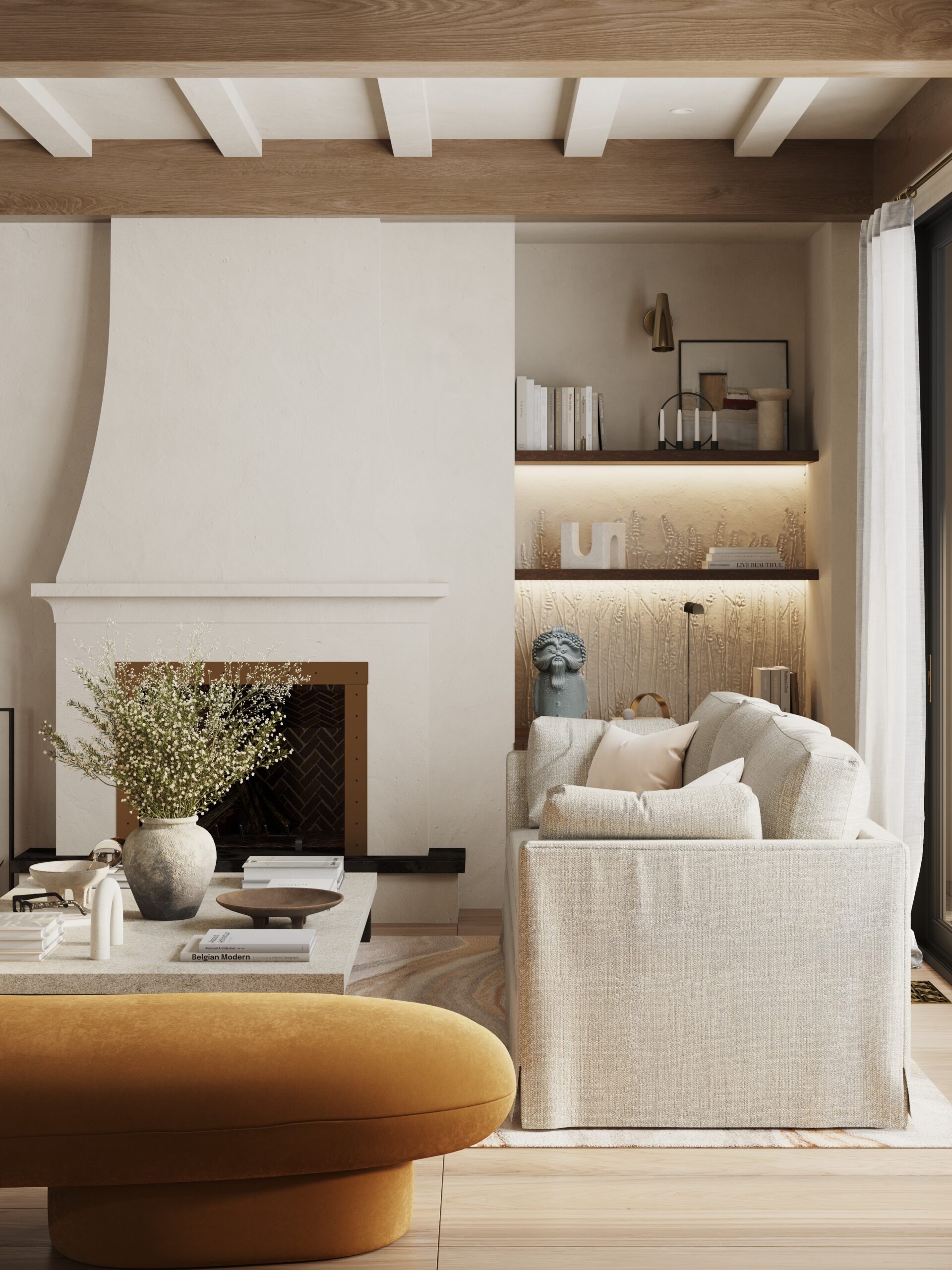
The living room is the heart of the home, a communal space for relaxing, entertaining, and expressing your personality. It’s the perfect canvas for eclectic design because it accommodates a variety of functions and styles. Start with a neutral base, such as a classic sofa in a versatile fabric, then add layers through accent chairs, colorful cushions, eclectic art, and diverse lighting. A crystal chandelier can hang above a reclaimed wood coffee table. Mix modern abstract paintings with vintage mirrors or ethnic textiles.
Consider incorporating vintage items like an antique armoire or a retro credenza to ground the space and add character. Create a gallery wall with a mix of framed art, family photos, and even unexpected items like hats or woven baskets. A layered rug approach combining a large jute base rug with a smaller, boldly patterned one on top brings in texture and visual interest to the interior design eclectic style.
Eclectic Bedroom Design Tips
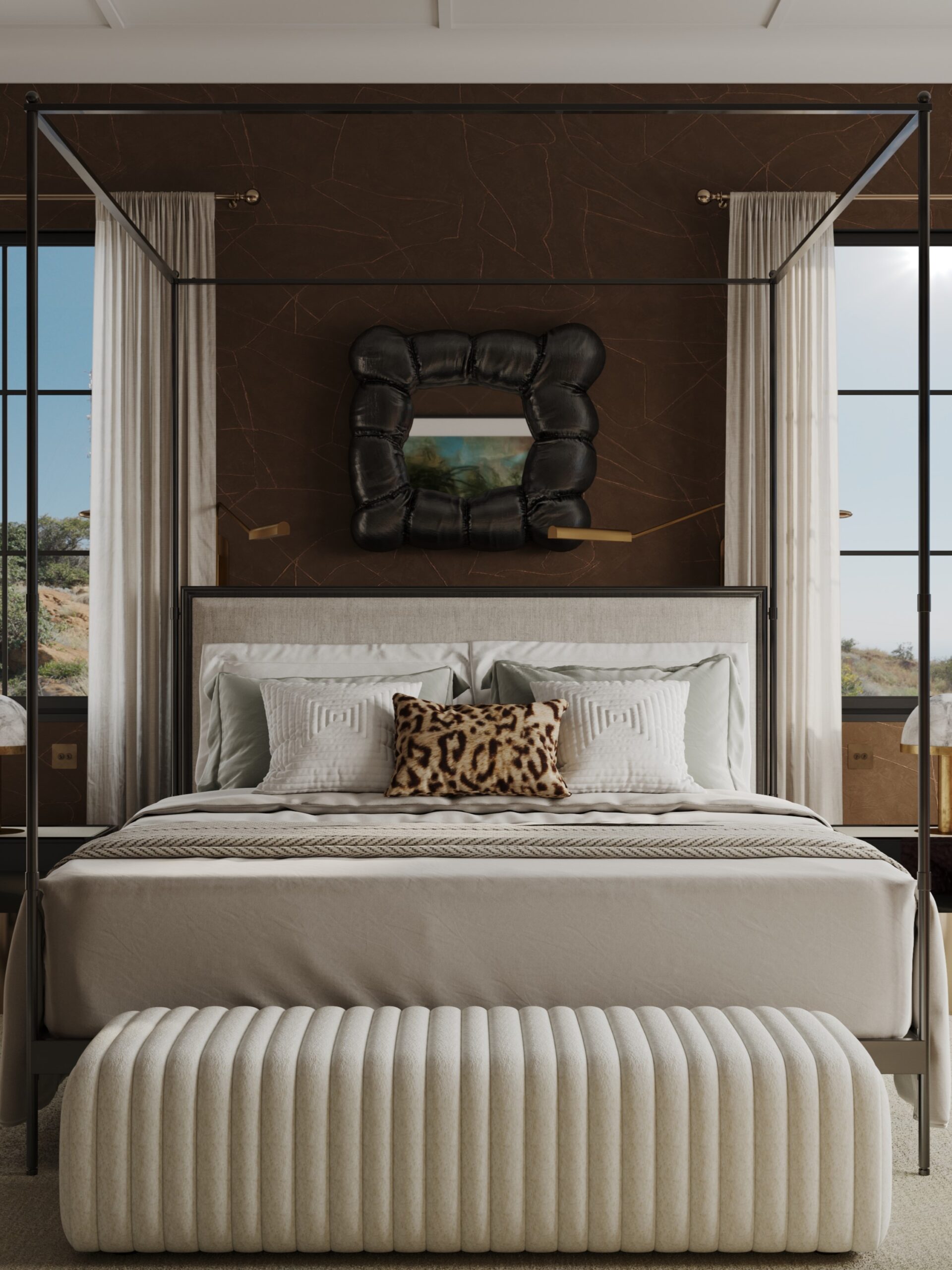
A bedroom designed with eclectic style interior design should feel both restful and intriguing. Start with a statement piece, such as an upholstered headboard in a vivid color or a vintage bed frame. Then build the room’s character through unique bedside tables, mismatched lamps, and art that feels personal.
Mix bedding materials and styles, combine crisp white sheets with a boldly patterned duvet, velvet throws, and linen shams. Let the curtains bring softness, while a bold wallpaper or painted ceiling can offer drama. This room is ideal for displaying personality, whether through curated decor or furniture pieces with sentimental value.
Introduce contrast through high and low elements. For example, a designer light fixture over a flea market dresser, or modern nightstands beside a traditional canopy bed. The bedroom in an eclectic interior design style is not just a place to sleep; it’s a sanctuary filled with stories, colors, and textures.
Benefits of Eclectic Interior Design Style
Choosing eclectic design means embracing flexibility, individuality, and a willingness to break boundaries. This design approach brings a wide array of advantages, both aesthetically and practically.
Personalization and Uniqueness
More than any other design style, eclectic interior design celebrates personality. It allows you to reflect your identity, background, and values through the objects and aesthetics in your space. That painting you picked up on your travels? It belongs next to your grandmother’s vase. Your love for industrial shelving? It works beautifully alongside a handmade wool rug.
Eclectic interiors are deeply personal and inherently one-of-a-kind. They don’t follow trends, they tell stories. This makes every room an opportunity for emotional resonance, conversation, and self-expression. There is no standard formula for eclectic interior design style, only what feels right for you.
Flexibility and Versatility
The eclectic interior design styles are incredibly adaptable. They can grow and evolve with you. As your taste develops, or as new needs arise, for instance, a home office, a nursery, a studio, eclectic spaces can absorb these changes without losing their soul. This versatility also makes eclectic interiors sustainable. You don’t need to do full renovations to refresh a space. Adding a few key pieces, changing a color scheme, or introducing a new texture can revitalize a room instantly. This is where fusion and layering become your greatest allies.
Eclectic style in interior design also allows for easy integration of trends. Want to incorporate bold 2025 color palettes or new design movements? You can do so by weaving them into your already vibrant mix, rather than overhauling your interior entirely.
In a world that often pressures us to conform, eclectic interior design gives us permission to be bold, expressive, and unapologetically individual. By blending styles, textures, and stories, we can create homes with an eclectic interior design style that is truly our own. Whether you’re starting from scratch or evolving your current space, embracing eclectic style interior design offers endless possibilities for inspiration. This design approach doesn’t just decorate a room, it tells your story, one object, one layer, one contrast at a time.
So go ahead — mix that modern chair with a vintage table, throw a patterned rug on a concrete floor, and hang bold art above a classic fireplace. Let your space be as eclectic, dynamic, and colorful as you are.