The Evolution of American Interior Design: From Classic to Contemporary
The transformation of American interior design over the centuries mirrors the evolving landscape of cultural values, technological advancements, and changing societal preferences. From the orderly and refined aesthetics of colonial homes to the sleek and functional designs of contemporary spaces, the classic American interior has undergone a fascinating journey. This evolution has been shaped by a variety of factors, including shifts in social norms, global influences, and innovations in construction materials and techniques with classic modern furniture design.
In this article, we will explore the history of interior design in America, examining how early influences gave rise to distinct styles and how the integration of modern elements has created a dynamic and diverse interior landscape. By delving into the past and present of American interiors, we can gain insight into the future of design and how classic elements are being reimagined for contemporary living.

The Beginnings: Classic American Interior Design
Early American interior design was shaped by European influences, particularly from England, France, and the Netherlands, but adapted to local materials and the needs of settlers. Colonial and Georgian styles became prominent, with an emphasis on practicality and craftsmanship. Colonial homes featured handcrafted wooden furniture and simple layouts, while the Georgian style introduced more formal, symmetrical designs with grand moldings and high ceilings.
These classic American interior styles laid the foundation for the nation’s evolving interior design, merging European tradition with history of American design ingenuity. This period reflects the blend of function and form, using locally sourced materials like pine and oak, marking the early roots of American interior classics.
Colonial and Georgian Styles in Early American Interiors
The roots of classic American interior design trace back to the early settlers who brought with them European traditions, adapting them to the New World’s available resources and climate. Early American interiors were deeply influenced by the Colonial style, which was practical yet aesthetically pleasing. The emphasis on handcrafted furniture and simple, functional designs reflected the settlers’ need to maximize resources while creating comfortable, efficient living spaces.
Colonial American interior design featured a blend of European influences. A defining feature of the style was its focus on craftsmanship, with wooden furniture made by hand and often incorporating materials like pine and oak. As the colonies grew in prosperity, furniture pieces evolved to include more ornate details, such as carved details and the introduction of furniture like highboys, lowboys, and Windsor chairs.
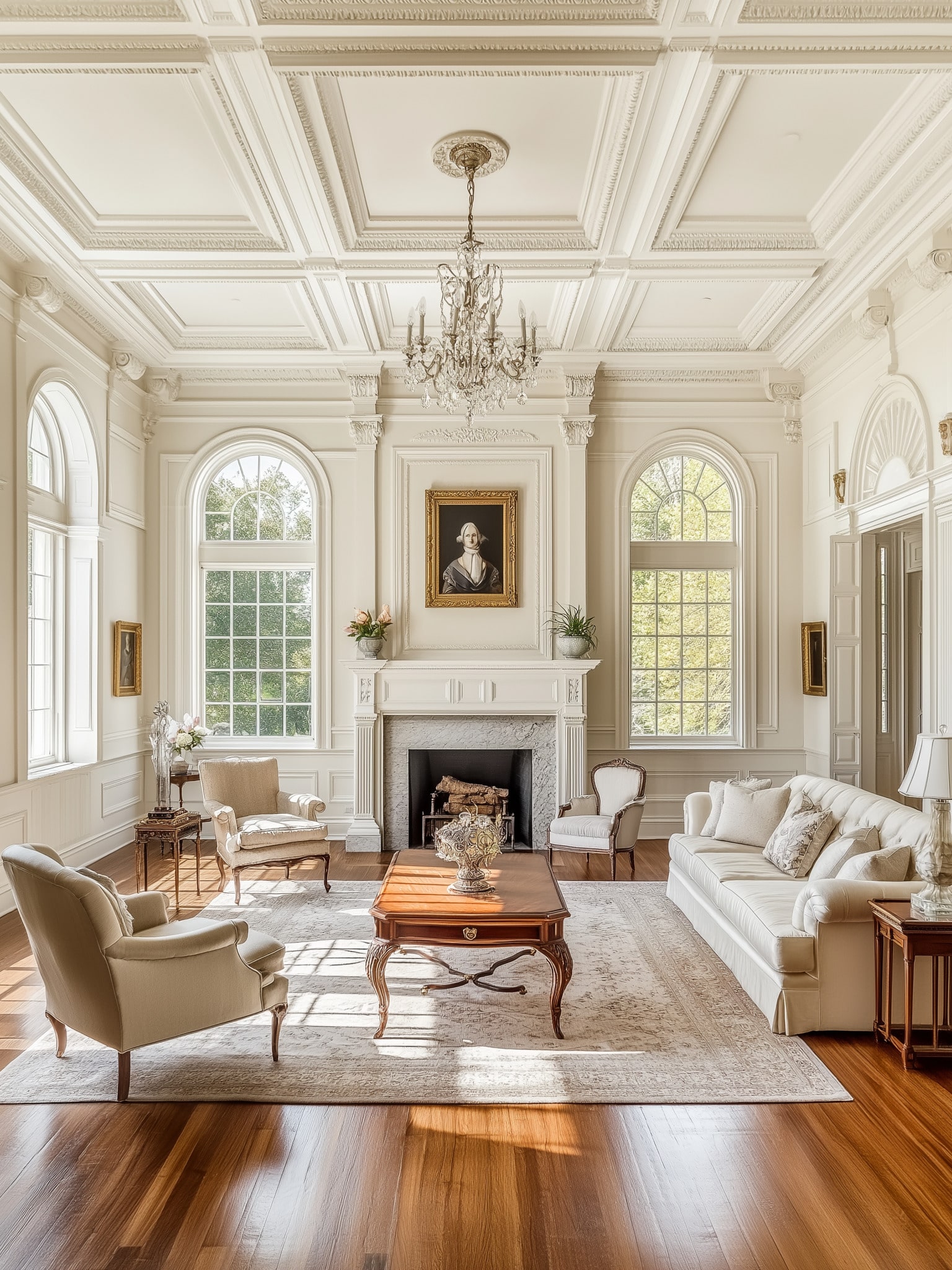
Alongside the Colonial style, the Georgian interior style became popular in the early 18th century. The Georgian style embraced symmetry, proportion, and a sense of grandeur. Influenced by the classical ideals of Ancient Greece and Rome, Georgian interiors featured formal layouts, high ceilings, and intricate moldings. This style often included luxurious elements like mahogany furniture, gold leaf accents, and richly patterned textiles. The symmetry and balance of Georgian interiors reflected the growing desire among the American elite to align with European cultural trends.
The Influence of European Styles on Early American Interiors
European influence was a crucial element in shaping early American interiors. As colonists and early settlers came from various European countries, their architectural and design practices shaped the interiors of American homes. The French Rococo style, with its ornate detailing and curvilinear forms, found its way into the homes of wealthy Americans, while the more restrained, neoclassical elements from England set the tone for many of the early interior styles in the U.S.
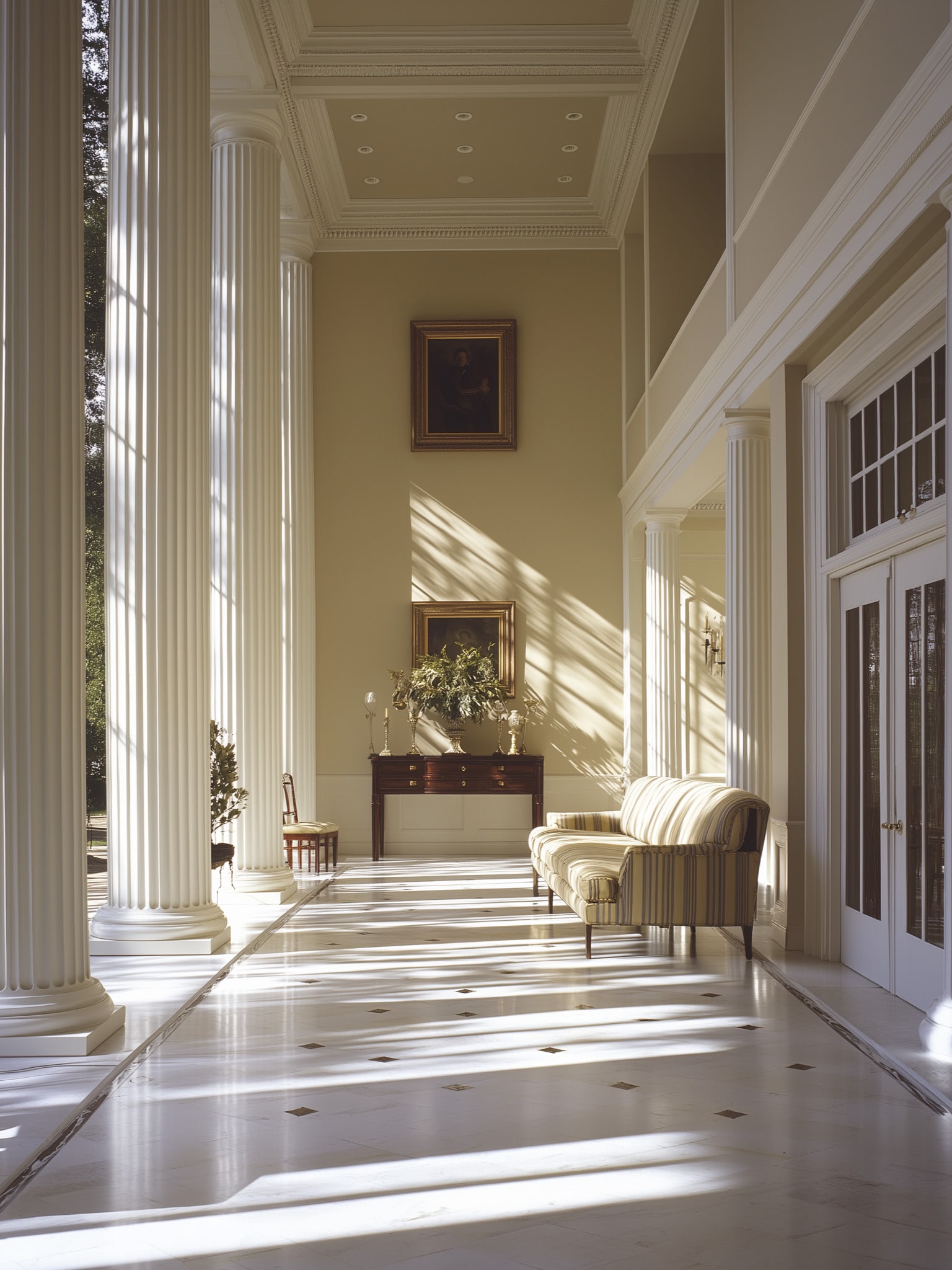
The most significant European historical design influence, however, came from the Greek Revival movement, which dominated the early 19th century. Greek Revival homes, characterized by columns, grand facades, and an emphasis on classical proportions, were designed to symbolize the emerging sense of American identity. These homes were often designed to evoke the principles of democracy and civic virtue associated with Ancient Greece, and they remain iconic examples of American interior classics to this day.
Transition to Modernism: The Evolution of American Interior Design
As the U.S. industrialized in the early 20th century, the evolution of interior design shifted dramatically. Art Deco, emerging in the 1920s, introduced bold patterns, geometric shapes, and luxurious materials, reflecting the optimism of the era. Post-WWII, modern in the American interior took over with Mid-century modern design, emphasizing clean lines, open layouts, and functional furniture, symbolizing the new American lifestyle.
These shifts marked a significant departure from traditional styles and represented the broader American design trends of the time. They prioritized efficiency, practicality, and simplicity, catering to the needs of a growing suburban population and a rapidly modernizing society.
Art Deco and Mid-Century Modern in American Interiors
By the early 20th century, America’s industrial revolution sparked a profound shift in both architecture and interior design. This period witnessed the rise of the Art Deco style, which offered a dramatic departure from the ornate, classical designs of the 19th century. Art Deco interiors embraced modernity through the use of bold geometric patterns, luxurious materials, and a sense of opulence. This style captured the essence of the roaring ’20s and was characterized by elements like lacquered furniture, polished metals, and mirrors, which reflected the growing urbanization and technological advancements of the era.
Following World War II, mid-century modern design emerged, bringing a fresh and minimalist approach to American interior design trends. Focused on functionality and simplicity, mid-century modern design emphasized clean lines, open spaces, and an integration of the indoor and outdoor environments. The design aesthetic incorporated natural materials like wood and leather, as well as innovative materials such as plastic and steel. Iconic pieces of mid-century furniture, such as the Eames lounge chair and the Noguchi coffee table, became symbols of this period and are still cherished today for their timeless design.
The Rise of Minimalism and Open Spaces
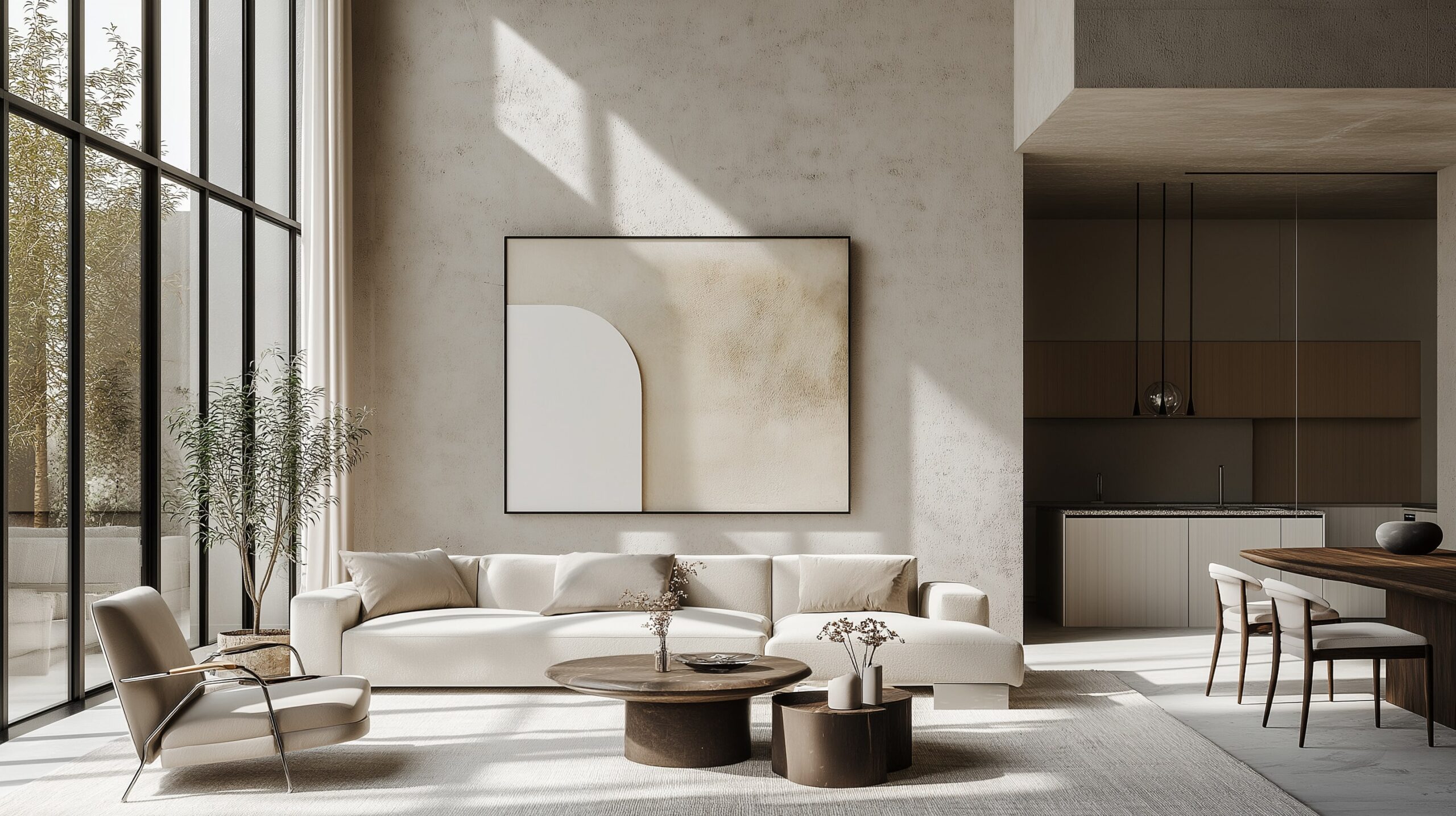
The later decades of the 20th century saw the rise of minimalism as a response to the excesses of earlier decades. Inspired by Japanese Zen principles, minimalism in American interior design prioritized simplicity, functionality, and an uncluttered aesthetic. This style embraced the “less is more” philosophy, with clean lines, neutral color palettes, and open spaces replacing the ornate decorations that had previously dominated interior design.
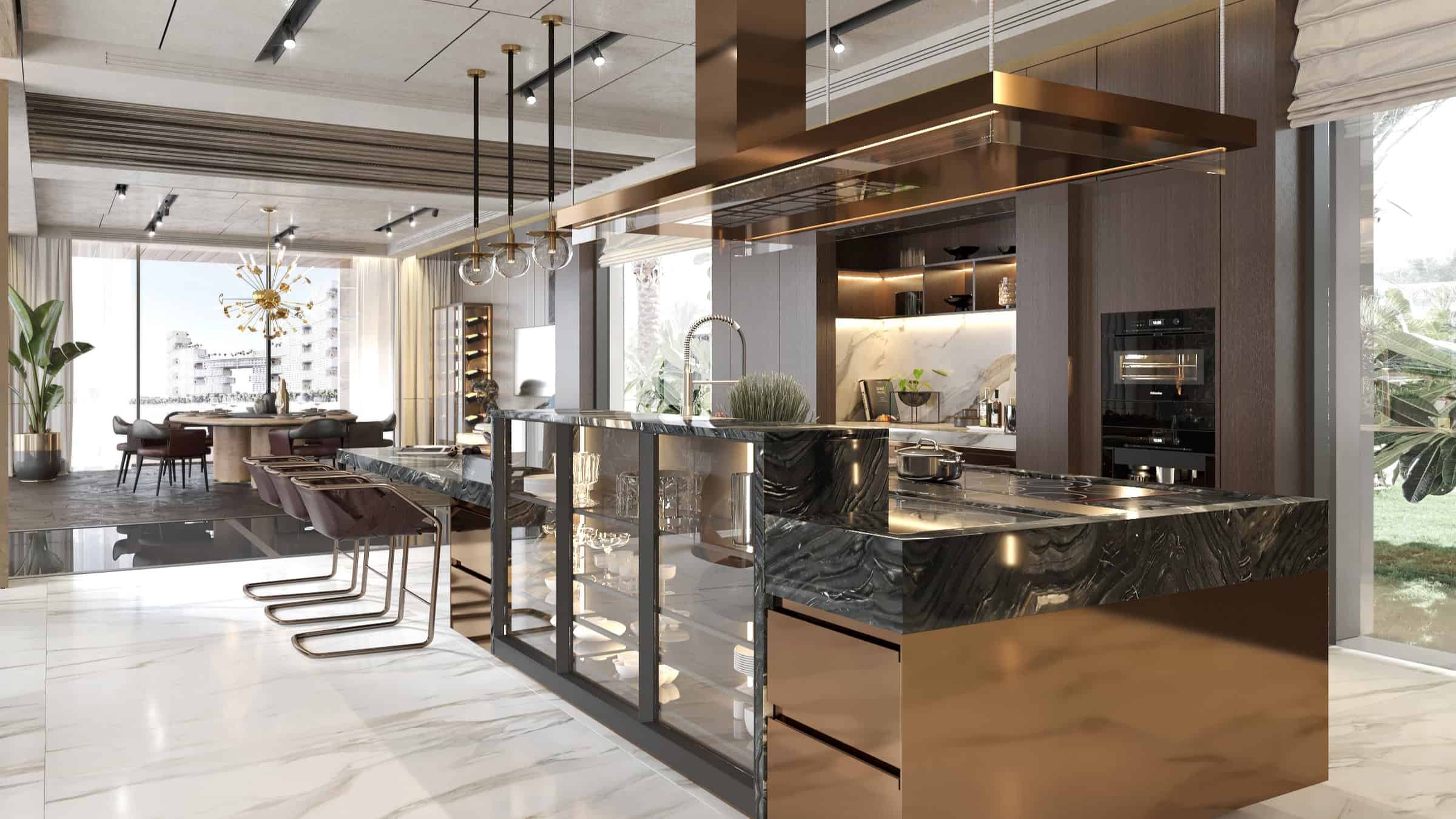
One of the defining features of modern interior design during this period was the concept of open spaces. The removal of walls and partitions to create expansive, open-concept living areas became a popular trend. These open spaces allowed for better natural light flow, greater flexibility in how rooms were used, and a connection between the different areas of the home. The rise of open-plan living perfectly suited contemporary lifestyles, where the boundaries between cooking, dining, and living areas began to blur.
Contemporary American Interior Design: Key Characteristics
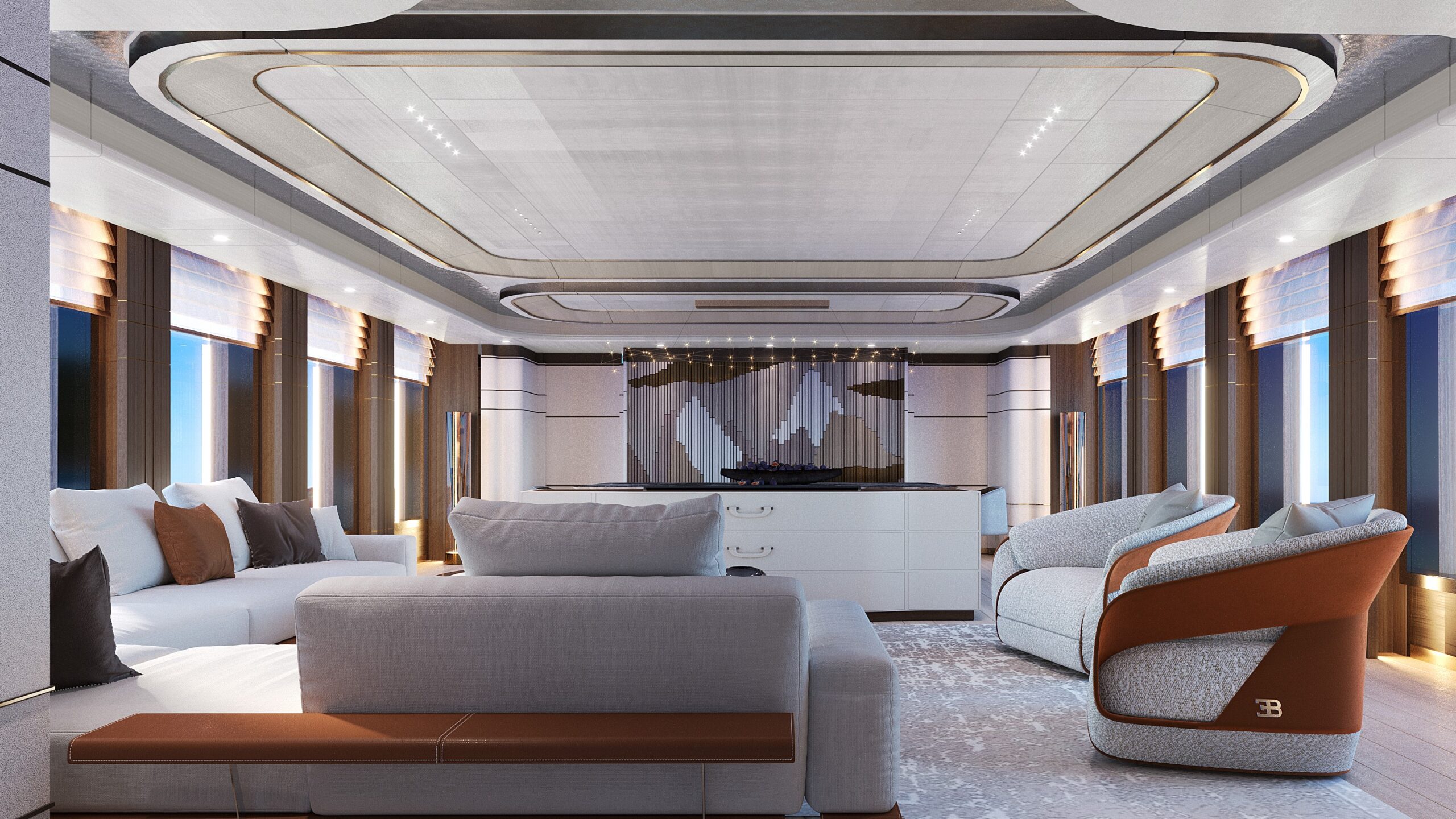
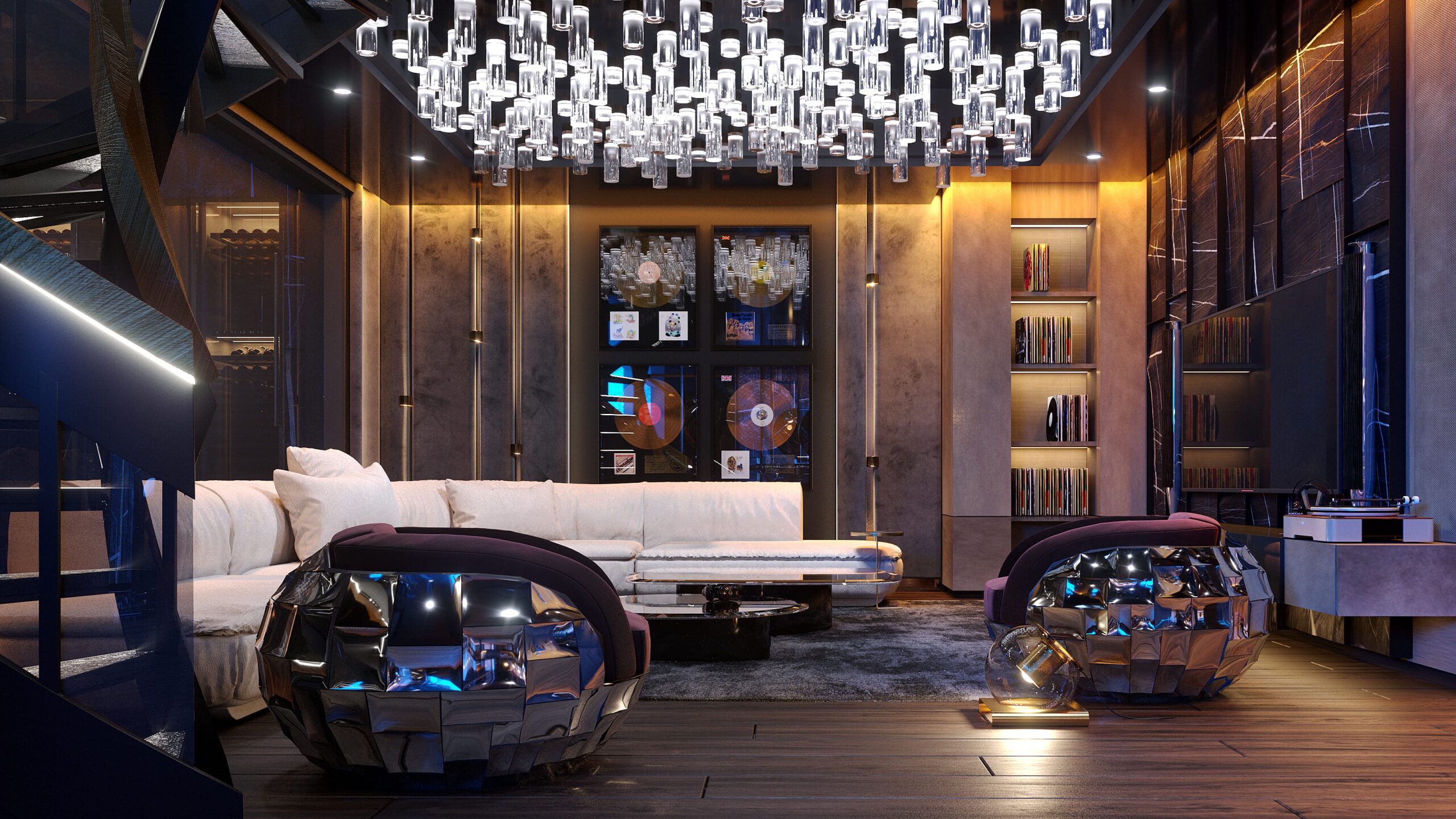
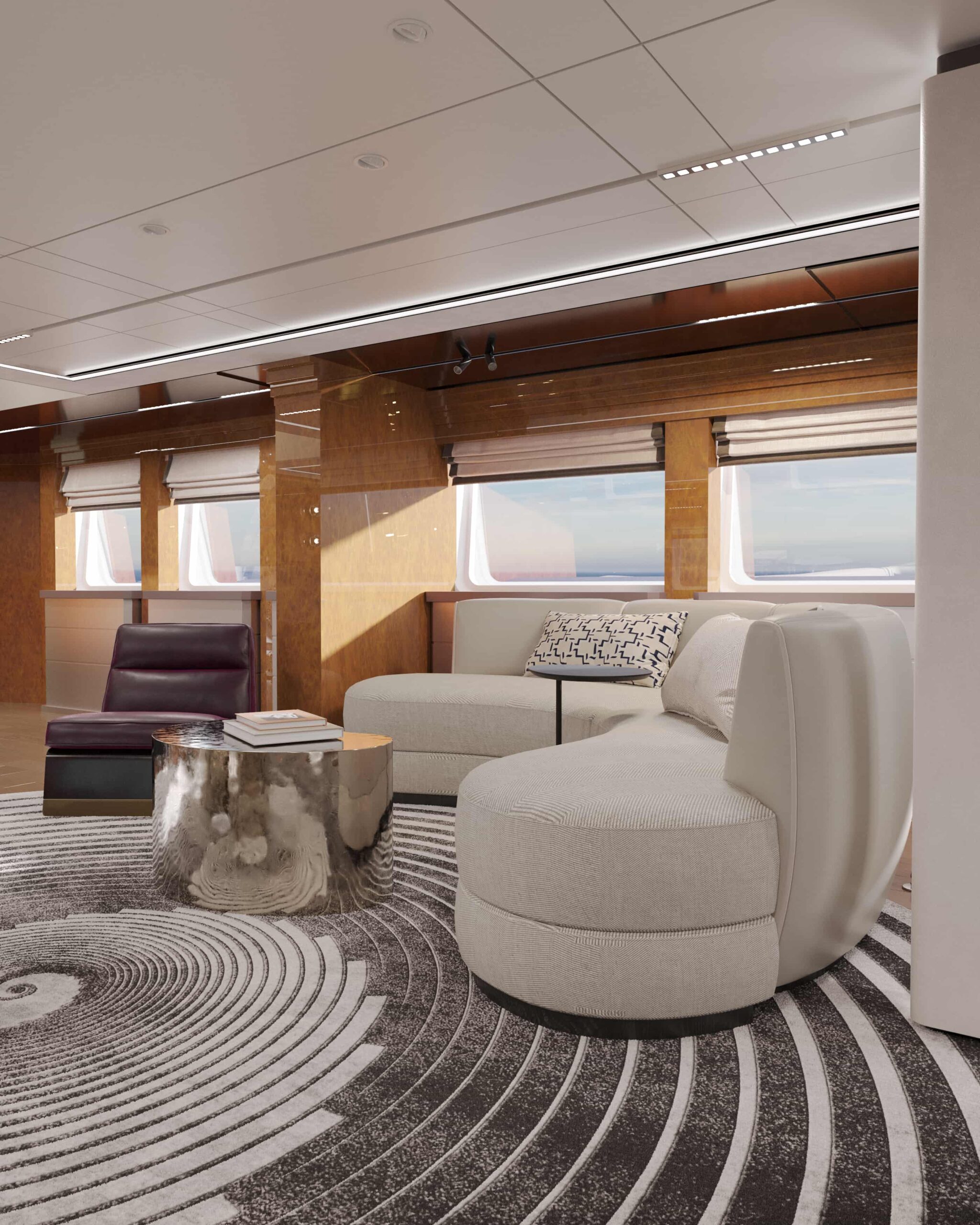
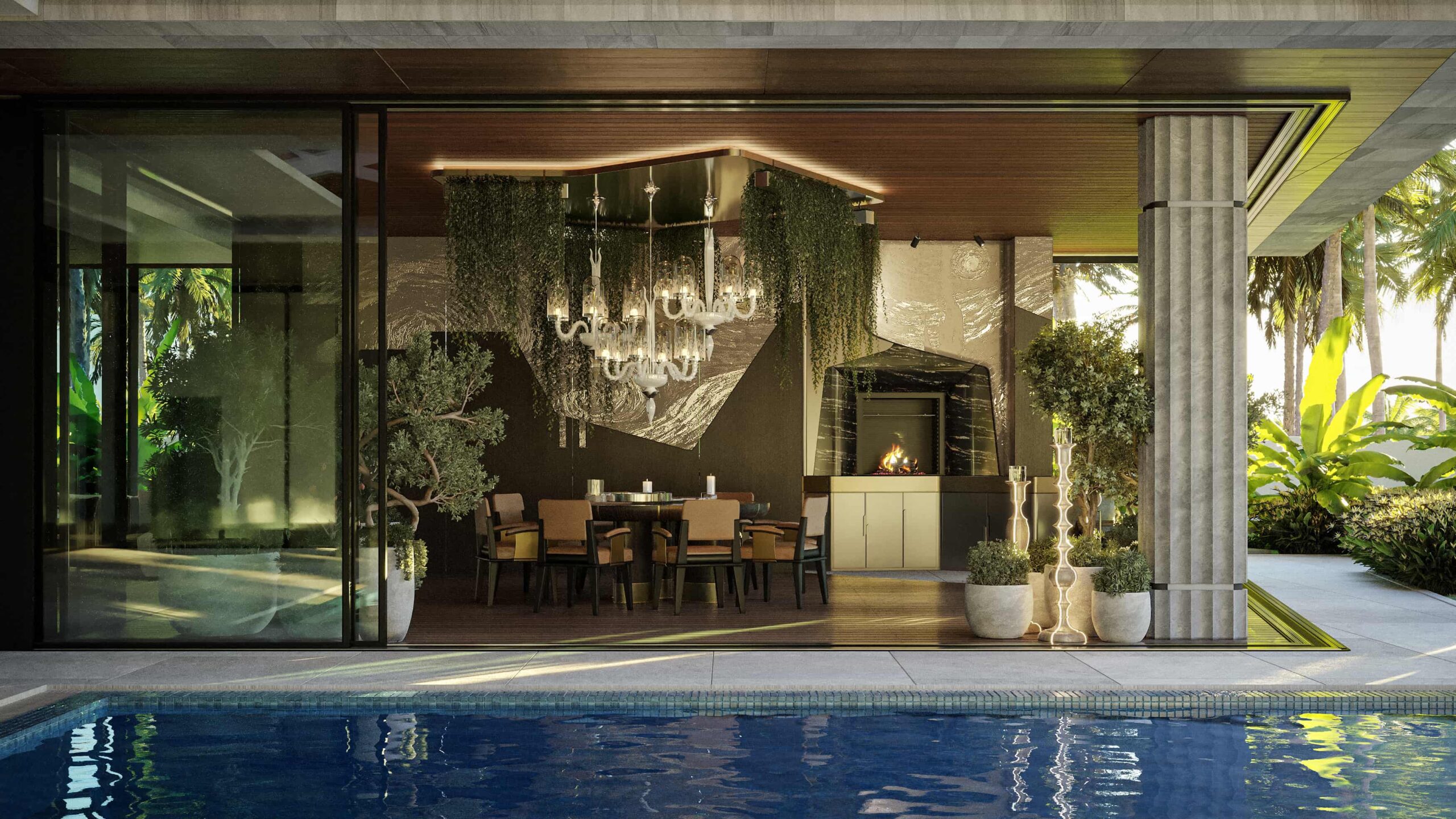
Modern American interior design blends classic elements with modern sensibilities. Designers today mix traditional pieces, like vintage furniture, with minimalist designs to create timeless, balanced spaces. Sustainability is also key, with eco-friendly materials and energy-efficient appliances becoming integral in modern homes. Technology has further transformed contemporary interior styles, with smart devices and automation becoming common in everyday living. Contemporary interior of American houses reflect a harmony of innovation, tradition, and practicality, creating spaces that are both stylish and functional for modern life.
Mixing Classic and Modern Elements for a Timeless Look
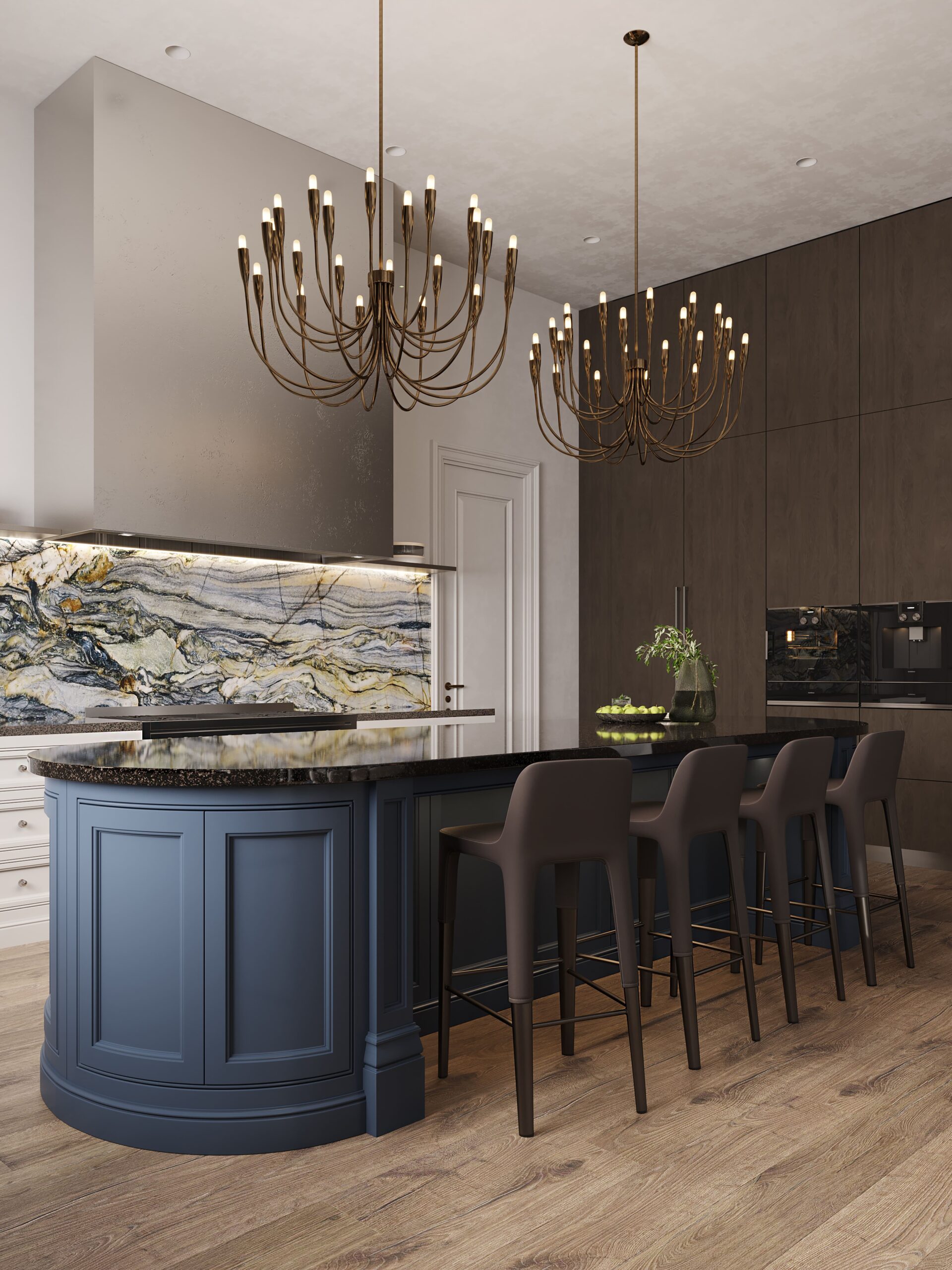
In the 21st century, the lines between traditional and modern design have become increasingly blurred. Contemporary American interior design embraces the concept of mixing classic elements with modern furniture and decor to create spaces that are both timeless and relevant to today’s lifestyles. For example, a modern loft may feature exposed brick walls and steel beams, but it will also include vintage Persian rugs or antique wooden furniture, creating a harmonious blend of old and new.
This trend towards mixing classic modern furniture design with more contemporary elements allows homeowners to enjoy the best of both worlds — preserving the charm and character of traditional designs while incorporating modern conveniences and styles. The result is a sophisticated and timeless interior style that feels both grounded in history and forward-thinking.
Popular Trends in Contemporary American Interiors
Contemporary popular US interior style design is shaped by several key trends, many of which reflect both societal and technological shifts. Among the most significant trends are:
- Sustainability — with growing awareness of environmental concerns, sustainable design has become a crucial focus. Eco-friendly materials like reclaimed wood, recycled metals, and natural fibers are increasingly used in American homes. Energy-efficient appliances, solar panels, and water-saving fixtures are now common features in modern homes.
- Smart homes — the rise of smart technology has revolutionized modern American interiors. Homes are now equipped with smart devices, such as lighting systems, thermostats, and voice-activated assistants, which enhance comfort and convenience. These innovations are seamlessly integrated into the design of the home, ensuring that technology serves the needs of the inhabitants while maintaining a stylish and functional aesthetic.
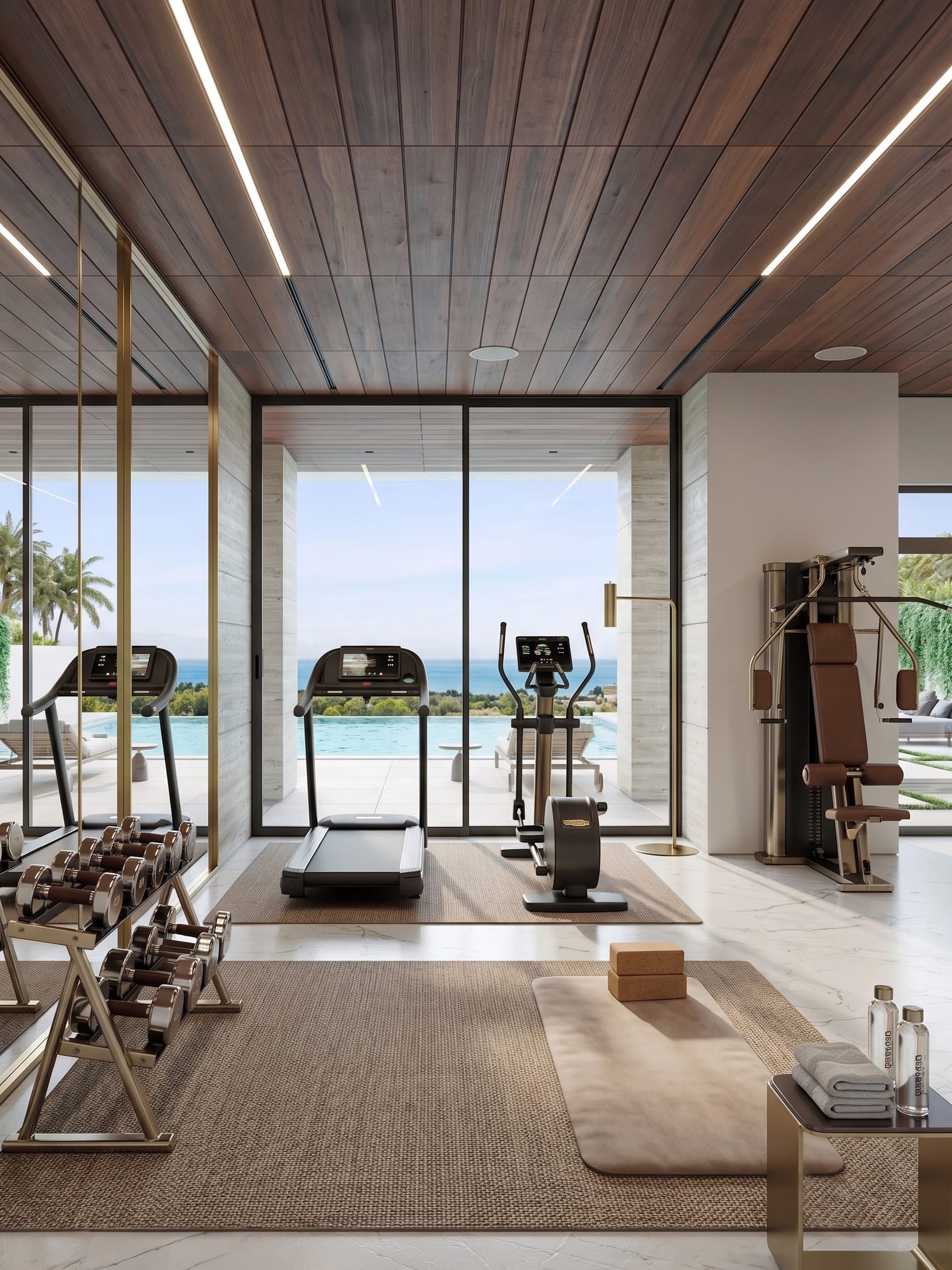
- Hybrid spaces — as remote work becomes more prevalent, American interiors are evolving to incorporate multifunctional spaces. Many homes now feature home offices, workout areas, and study zones that serve multiple purposes. This adaptability allows homes to meet the demands of modern life, where work and leisure often coexist in the same environment.
- Biophilic design — a growing contemporary design trend in American interior design is biophilic design, which seeks to incorporate elements of nature into the home. This might include the use of natural materials like stone and wood, as well as the inclusion of plants, natural light, and views of the outdoors. Biophilic design is thought to improve well-being and foster a connection to the natural world, enhancing both the aesthetic and functional qualities of a space.
Conclusion: The Future of American Interior Design
As we look to the future, the evolution of interior design in America is poised to continue evolving, influenced by advancements in technology, environmental concerns, and shifting societal needs. The future of interior styles is likely to feature:
- Modular and adaptive spaces — homes will increasingly be designed with flexibility in mind, with modular furniture and adaptable layouts that cater to dynamic lifestyles. The ability to change the function of a room with ease will allow homeowners to personalize their spaces to fit their needs.
- Sustainable innovations — the push for sustainability will drive innovation in interior design, with solar-powered homes, biodegradable furnishings, and zero-waste practices becoming more common.
- Personalized aesthetics — as design technology continues to improve, homeowners will be able to create more personalized and customized interiors. AI-driven design tools may allow individuals to visualize and experiment with various design elements, ensuring that each home reflects the unique preferences and lifestyles of its inhabitants.
Ultimately, the future of American design trends will be a fusion of classic elements with cutting-edge technologies and sustainable practices, ensuring that spaces remain functional, stylish, and deeply personal.