Industrial Interior Design Style: Raw Elegance for Modern Spaces
It’s not only the urban skyline outside our windows that is changing. Industrial style interior design has made a reputation for itself within our homes and workplaces, changing our perceptions of authenticity, function, and pure elegance. This design philosophy blends history with contemporary simplicity, celebrating the beauty of brick, metal, exposed beams, and old factories. The industrial interior design style, which was once limited to lofts and warehouses, is now popular among commercial developers, homeowners, and creatives who want to make statement pieces and still look attractive.
This essay examines the recent development of industrial design, its distinguishing characteristics, and ways to incorporate this urban sophistication and sharpness into your own home. Industrial interior design is an endless source of inspiration, whether you’re remodelling a loft in the middle of the city or adding rustic charm to a suburban home.
What Is Industrial Interior Design Style?
Functionality provided rise to the visual language of industrial interior design. Fundamentally, it takes inspiration from industrial settings, such as factories, warehouses, and manufacturing plants, and turns them into visually striking environments. Industrial style of interior design is defined by exposed brick walls, worn wood, concrete flooring, exposed plumbing, and functional metal fixtures that strike a balance between roughness and sophistication. It satisfies a modern demand for design authenticity. A return to straightforward materials and simple aesthetics. What was left undone in a historical factory is now the centre of attention in a contemporary loft.
Origins and History of Industrial Design
The origins of industrial interior design can be found in the early 1900s, when manufacturing was booming in American and European towns. Large buildings with lofty ceilings, exposed steel construction, and sturdy materials were left behind when manufacturers closed or moved. Urban creatives, artists, and designers started converting these abandoned shells into residences and workspaces by the 1960s and 1970s.
The SoHo neighbourhood of New York became the focal point of this change. A new generation of sculptors and painters who valued transparency and natural light were drawn to large, reasonably priced lofts. These early adopters unintentionally created what is now known as industrial design by preserving the buildings’ architectural elements. Over time, upscale design was created by reinventing this unrefined, raw look. What began as a need for inexpensive space turned into a luxury in and of itself, valued for its originality and integrity.
Key Features of Industrial Style Interior Design
Industrial style interior design thrives on the “unfinished” look, intentional exposure of elements typically hidden in traditional construction. These are its distinguishing characteristics:
- Open floor plans — emphasizing space and flow, industrial interiors often avoid unnecessary walls and partitions.
- Exposed architectural elements — Pipes, ducts, beams, and brick are not concealed but celebrated.
- Raw materials — steel, iron, aluminum, reclaimed wood, and concrete are dominant.
- Neutral color palette — Shades of gray, black, white, and earth tones provide the backdrop.
- Industrial lighting fixtures — pendant lights with metal cages, Edison bulbs, and track lighting enhance the theme.
- Vintage and repurposed furnishings — furniture often appears timeworn, incorporating reclaimed or salvaged materials.
- Minimalism with character — while clutter is avoided, textures and layers add depth.
Together, these features foster a sense of depth, authenticity, and lived-in charm without sacrificing functionality in industrial interior design style.
Industrial Style Interior Design Ideas
Adopting industrial style interior design in your home doesn’t require owning a warehouse or a downtown loft. With the right approach, any space — from suburban apartments to commercial studios — can embody this rugged yet refined aesthetic. Whether you’re renovating a single room or designing from scratch, understanding the essence of industrial interior design style is key to achieving a cohesive and compelling look.
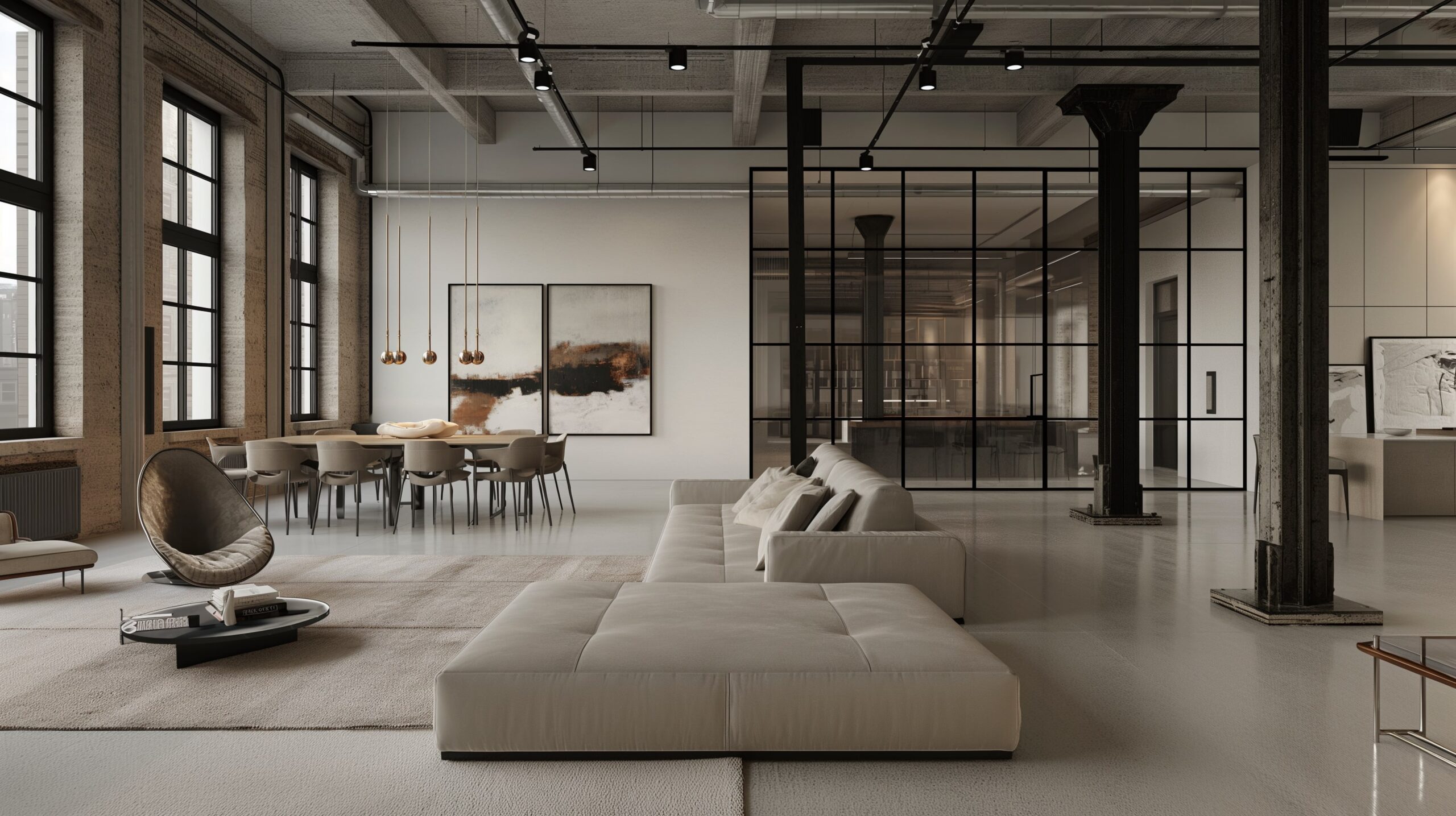
Start with the basics: raw materials like exposed brick, weathered wood, concrete floors, and structural steel create a strong industrial foundation. Add in utilitarian lighting fixtures, visible piping, and neutral tones to emphasize authenticity. Industrial interior design is as much about what you leave visible as what you add in. Integrating elements such as reclaimed metal, vintage-inspired furniture, and minimalistic layouts allows even the most traditional spaces to reflect the core principles of industrial design. The beauty lies in its adaptability, making industrial style interior design accessible and exciting for every kind of space.
Living Room in Industrial Style
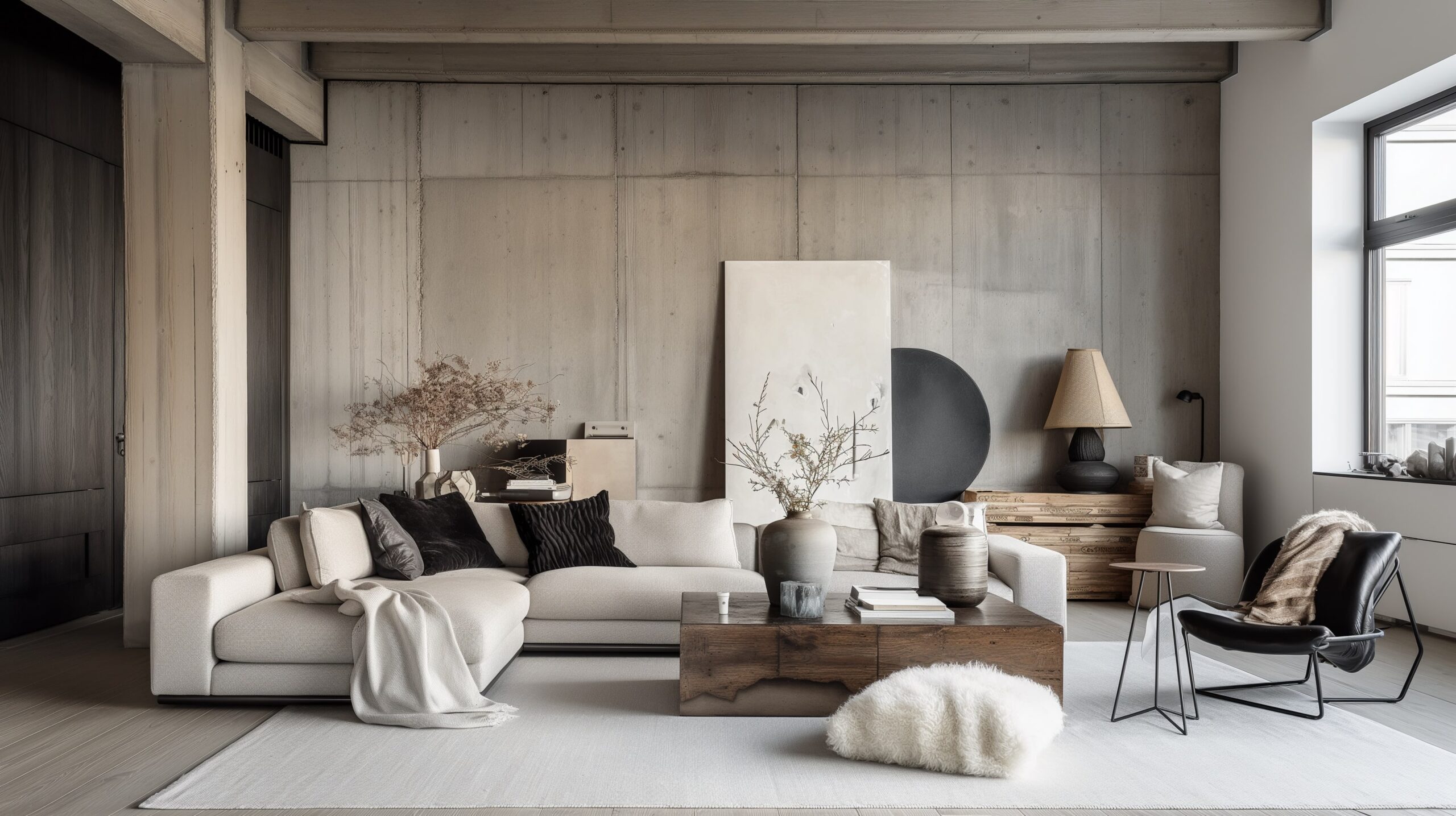
The living room is the heart of most homes, and in industrial interior design, it becomes a showcase of personality and purpose. To create a true industrial interior design style in your living area, begin with strong foundational elements like concrete or exposed brick walls, which immediately set the tone. Pair these surfaces with a reclaimed wood coffee table and plush leather seating to blend comfort with rugged aesthetics.
Opt for oversized sectional sofas in earthy tones like charcoal, brown, or tobacco, and complement them with steel-legged side tables that add a hint of industrial edge. Lighting is a major feature of industrial style in interior design. Consider pendant lights with exposed bulbs or vintage factory-style fixtures that give a nod to traditional industrial spaces.
Open shelving made of wood and metal brackets provides a functional and stylish way to showcase books, art, or industrial-themed accessories. Introduce softness with layered textiles such as a neutral-toned geometric rug or throws made from natural fibers. These elements help balance the inherent ruggedness of the industrial design with warmth and visual interest, turning your living room into an inviting, yet architecturally rich, centerpiece.
Industrial Kitchen and Dining Area
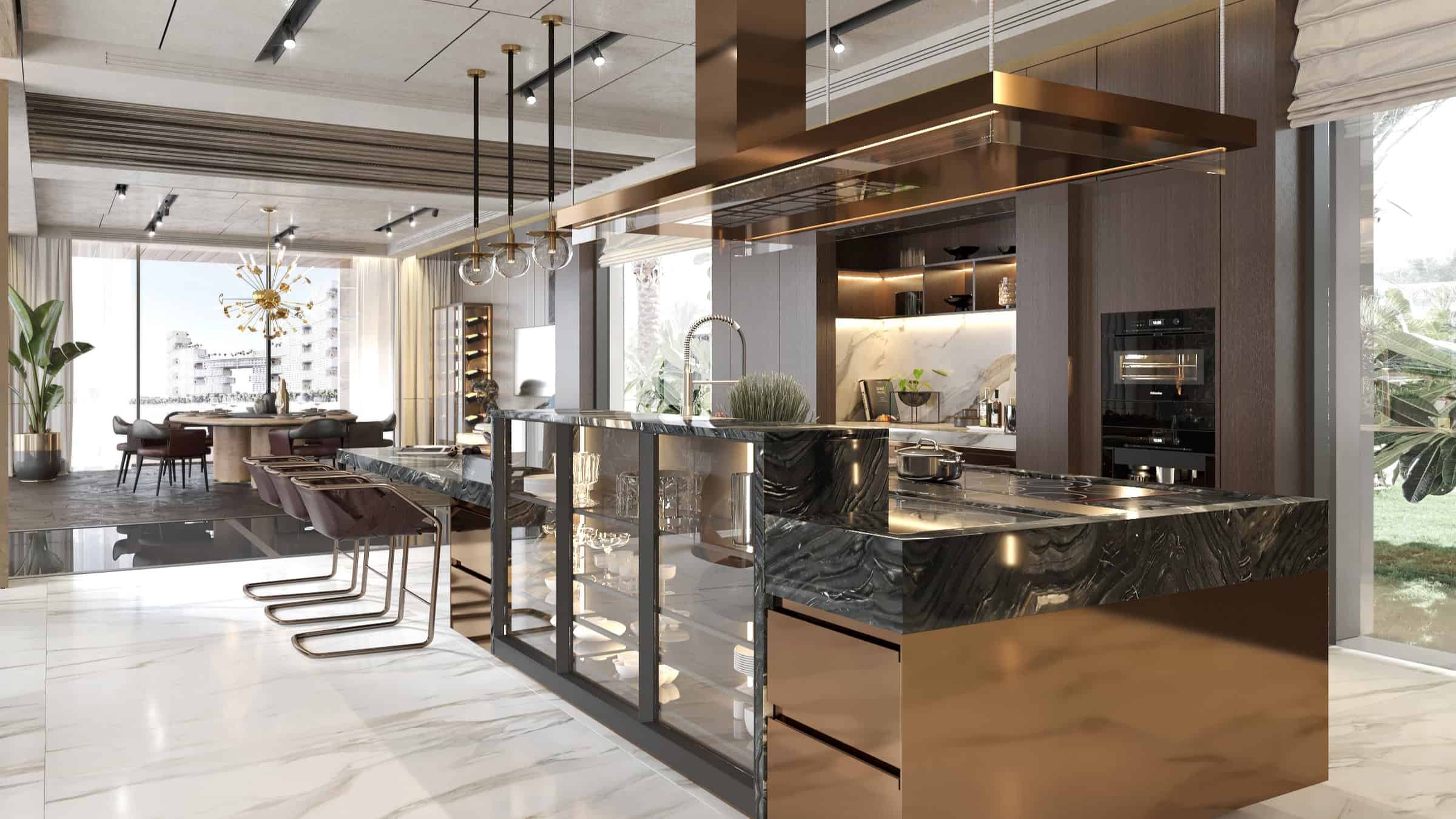
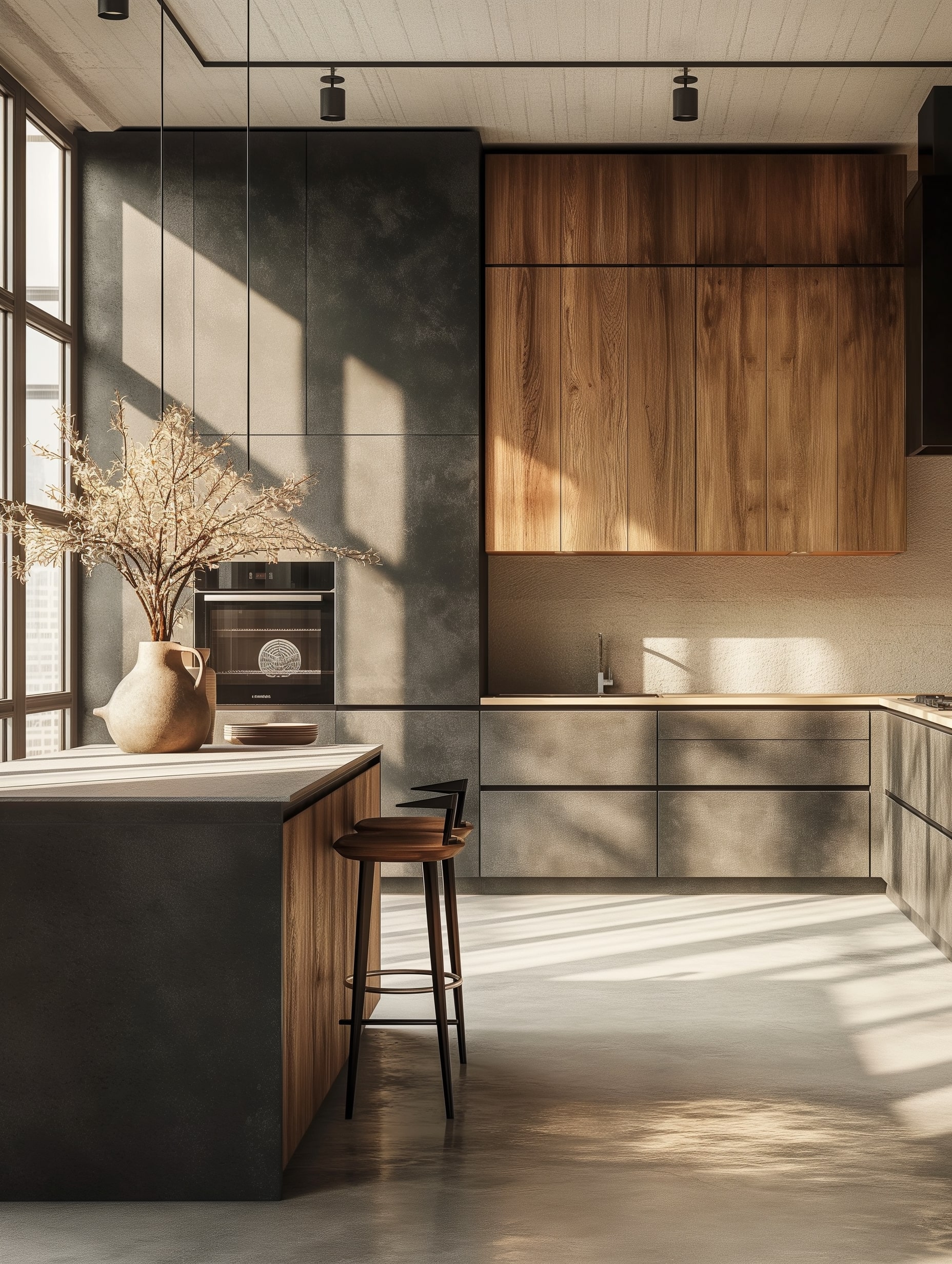
Industrial kitchens are a beautiful blend of utility and style, embodying the core values of industrial interior design style. Stainless steel countertops, concrete islands, and matte black fixtures give the space a utilitarian elegance. Open shelving in raw wood or metal reinforces the industrial theme, while subway tile backsplashes in muted shades of gray or white add timeless appeal.
Above the kitchen island or dining table, hang pendant lights in metal or glass to introduce sculptural forms. Incorporate reclaimed wood for dining tables and complement them with metal-framed chairs to enhance the overall industrial style interior design. Exposed ductwork or pipe shelving can act as both function and form, emphasizing the aesthetic without overwhelming it.
To warm up the space, hang pots and utensils on wall-mounted steel rails, and consider a vintage-inspired refrigerator or industrial-style stove as statement pieces. This room is a prime location to integrate a mix of ruggedness and minimalism, two characteristics central to industrial style of interior design.
Industrial Bedrooms and Bathrooms
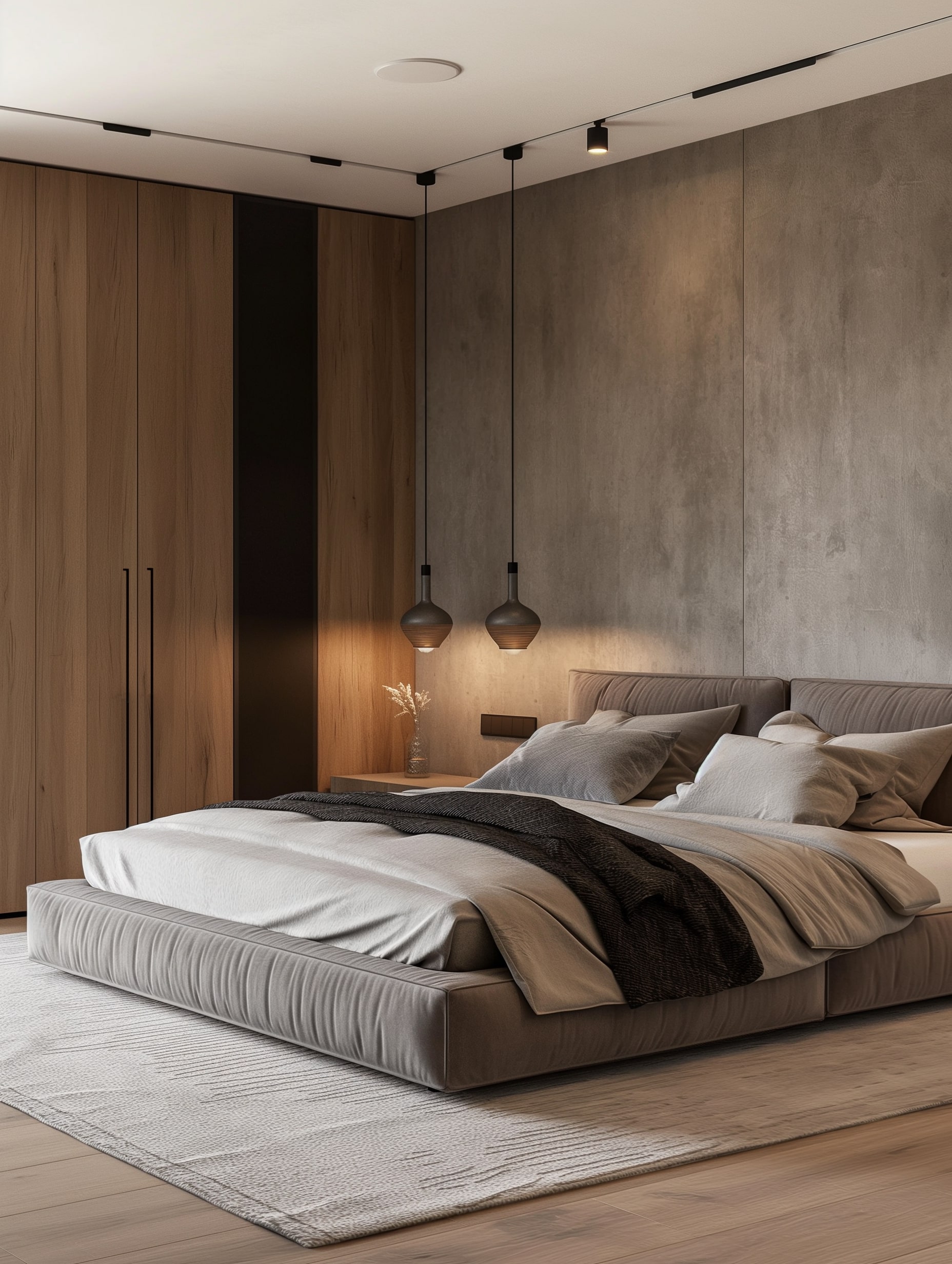
Though industrial spaces are often associated with cool tones and hard surfaces, they can still feel intimate and inviting, especially in bedrooms and bathrooms. To achieve industrial interior design in the bedroom, start with a platform bed constructed from reclaimed wood or matte-finished steel. Opt for simple, textured bedding in neutral tones and layer in linen or wool throws for added comfort.
Consider metal nightstands, minimalist pendant lighting, and concrete or brick feature walls to continue the theme. An industrial style interior design approach works well here by combining stripped-back structure with purposeful accents. A vintage locker-style wardrobe or exposed metal shelving provides both storage and a sense of authenticity.
In bathrooms, highlight raw materials: concrete sinks, wall-mounted vanities with black or brushed steel fixtures, and unpolished stone or tile surfaces. Use industrial-style sconces and exposed plumbing as both practical and decorative features. Stick with a muted color palette to emphasize the minimalist beauty of industrial design while maintaining a sense of serenity.
Combining Industrial Style with Other Trends
One of the greatest strengths of industrial interior design style is its versatility and ability to blend seamlessly with other aesthetics. Whether it’s the clean lines of minimalism, the cozy textures of Scandinavian interiors, or the nostalgic charm of vintage design, industrial style interior design can integrate beautifully with various influences to create truly distinctive spaces. These combinations not only preserve the rugged essence of industrial design but also infuse it with warmth, character, and personality.
By layering complementary trends onto an industrial base, homeowners and designers can achieve harmony between raw materials and refined sensibilities. For instance, pairing concrete and steel with soft lighting and organic textures can result in a balanced and emotionally resonant environment. Industrial interior design style serves as the perfect canvas for creative expression, offering endless possibilities to tailor a space that feels both authentic and uniquely yours.
Scandinavian Industrial Fusion
Combining industrial ruggedness with Scandinavian warmth results in interiors that are both balanced and serene. The industrial style interior design becomes more approachable when softened by Nordic influences such as pale woods, light textiles, and functional yet cozy decor. Start with a canvas of exposed brick or concrete and pair it with clean white walls and furniture with sleek silhouettes.
Use furnishings made from natural materials like birch, oak, or ash to contrast the coldness of metal and steel. Introduce textiles in wool, linen, and cotton to add a tactile softness that balances the architectural hardness of industrial interior design. Accent the room with industrial-style pendant lights or metal sconces in matte black or gray finishes.
This harmonious blend allows you to embrace industrial interior design style without losing the comforting atmosphere typical of Scandinavian interiors. The result is a visually appealing, emotionally grounded space that merges two distinct but complementary design philosophies.
Minimalist Industrial Interiors
Minimalism strips away excess, making it a natural partner for industrial interiors, which prioritize function and form. An industrial style interior design approach within a minimalist framework means choosing furnishings and materials with purpose, clarity, and integrity. Keep the layout simple and airy, using industrial design features like exposed beams, visible piping, and concrete flooring to provide character without clutter.
Use a restrained color palette of black, white, and shades of gray, occasionally accented with muted earth tones. Choose standout pieces like an angular steel coffee table, a low-profile metal-framed bed, or a vintage-style lighting fixture to anchor the room. Avoid ornate details and focus instead on the natural beauty of industrial materials like metal, brick, and reclaimed wood. This fusion emphasizes the raw authenticity of industrial interior design style while promoting calm, order, and visual clarity. The resulting space feels simultaneously contemporary and grounded, offering a zen-like atmosphere with unmistakable industrial character.
The industrial interior design style is more than a fleeting trend. It’s a celebration of raw materials, structural honesty, and a design philosophy that prioritizes authenticity over perfection. From converted lofts to suburban homes, this style continues to captivate those who appreciate both form and function. Whether you’re drawn to its historical roots or its ability to adapt to modern sensibilities, embracing industrial interior design is an invitation to create a space with character, clarity, and timeless appeal.
By combining vintage charm with modern minimalism, the industrial design aesthetic transforms the ordinary into the extraordinary. It reminds us that beauty can be found in simplicity, and that even the roughest materials can be shaped into something profoundly elegant.