Features of the Interiors of Private Houses with Panoramic Glazing
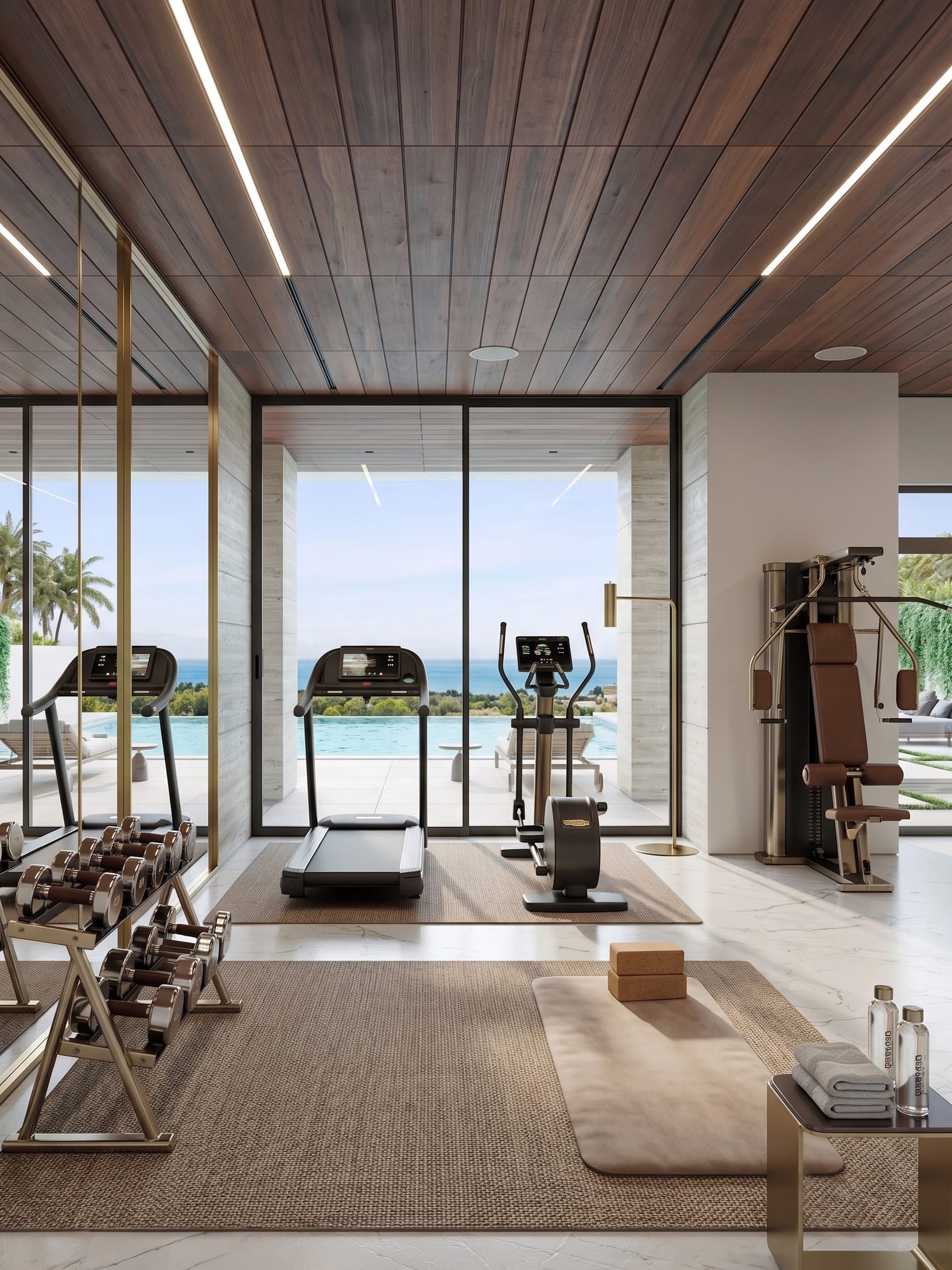
The implementation of panoramic windows in private residences is one trend that stands out in today’s residential design landscape for its sophistication, modernity, and sheer impact. These large glass surfaces completely transform the living space rather than solely enclosing a view. Glass homes are beginning to represent openness, harmony with nature, and elegant architecture, regardless of whether they are situated amid a mountain backdrop, a seashore horizon, or a lush suburban garden.
It goes beyond aesthetics to design a modern house with glass windows. It should create a balance between privacy, energy efficiency, aesthetic appeal, and spatial functionality. Innovative glass home design is in high demand as homeowners seek to blur the lines between indoor and outdoor living. However, the potential also brings complexity, as problems with material selection, privacy, and heat loss frequently occur.
This article will discuss the characteristics of rooms with panoramic glazing, looking at the advantages and disadvantages of this design trend. You’ll learn how to build stylish interiors that align well with such bold architectural decisions, preserve comfort and seclusion, and maximize natural light.
Advantages of Panoramic Glazing in Private Homes
There is no denying the appealing qualities of panoramic windows in private homes. These big window houses offer a number of advantages that traditional structures just cannot match. For instance, several benefits from shifting spatial perception to optimizing natural light energy in glass homes.
Natural Light and Space Optimization
Natural light has the power to drastically change a space. By letting in a lot of natural light, panoramic windows lower the need for artificial lighting and make the entire house feel cozy and welcoming. Residents’ well-being, mental state, and even productivity can be greatly improved in areas with varying daylight hours.
Besides contributing to its psychological advantages, daylight makes a space appear larger. Even relatively small-sized homes feel more open thanks to large glass panels that blur the lines between inside and outdoors. Common areas like living rooms and kitchens in houses with big windows frequently appear to “breathe” because of the way light and space interact.
This spatial illusion can be further enhanced by clever design. Brightness can be increased, for instance, by positioning panoramic glazing across from mirrors or light-colored surfaces. When combined with floor-to-ceiling windows, high ceilings can produce eye-catching architectural elements that enhance the feeling of openness and elegance.
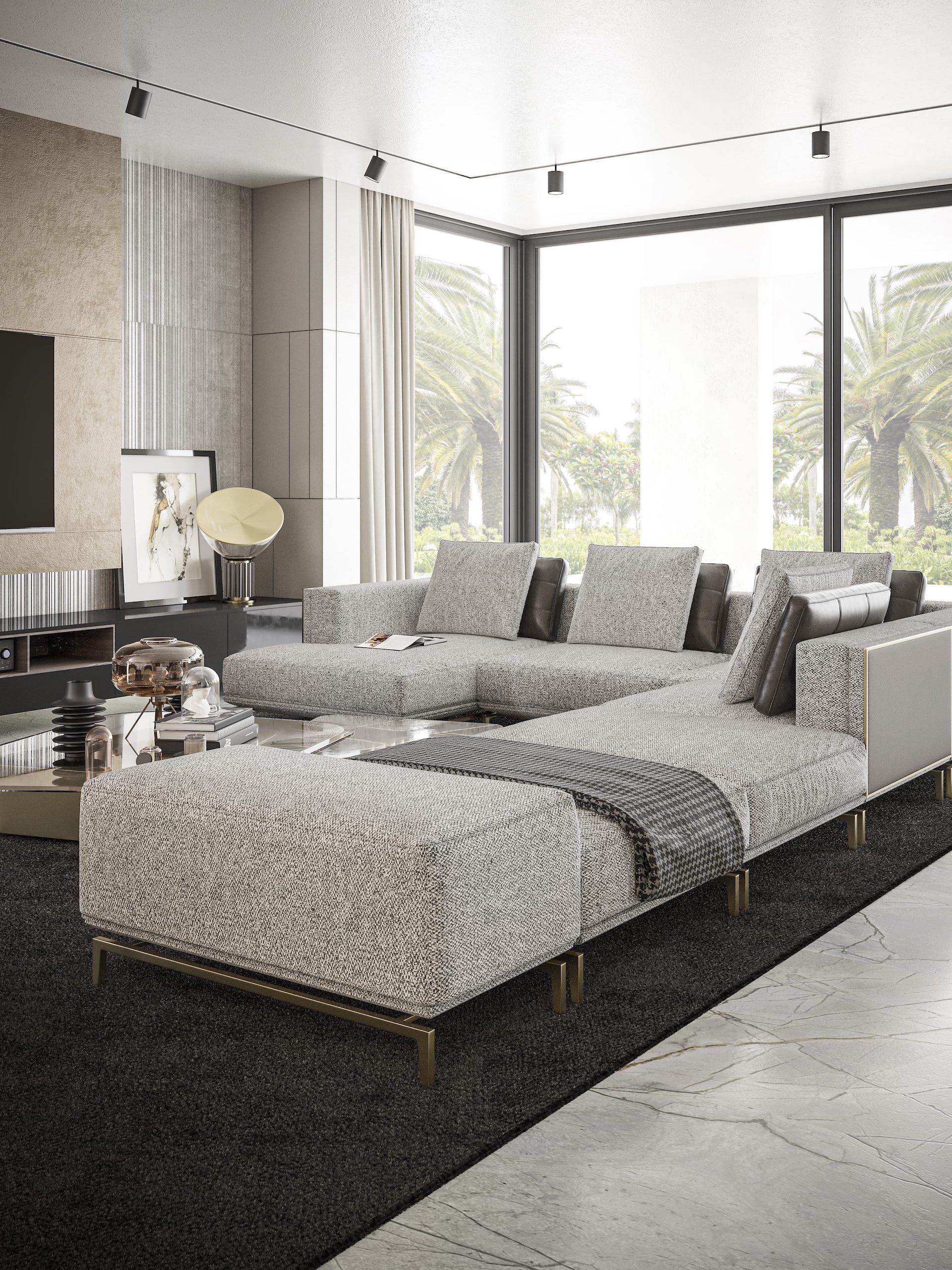
Enhancing the Aesthetic Appeal of Your Home
Glass home design is more than just a practical option; it’s a way of life that values transparency, simplicity, and a close relationship with the natural world. Clean lines, natural materials, and neutral color palettes are frequently used in modern houses with glass windows to emphasize the transparency and purity of the glass.
A common strategy is to position panoramic windows according to landscape focal points, such as a rolling hillside, a peaceful lake, or a sculptured tree. This makes nature a living piece of art in addition to tying the house to its surroundings.
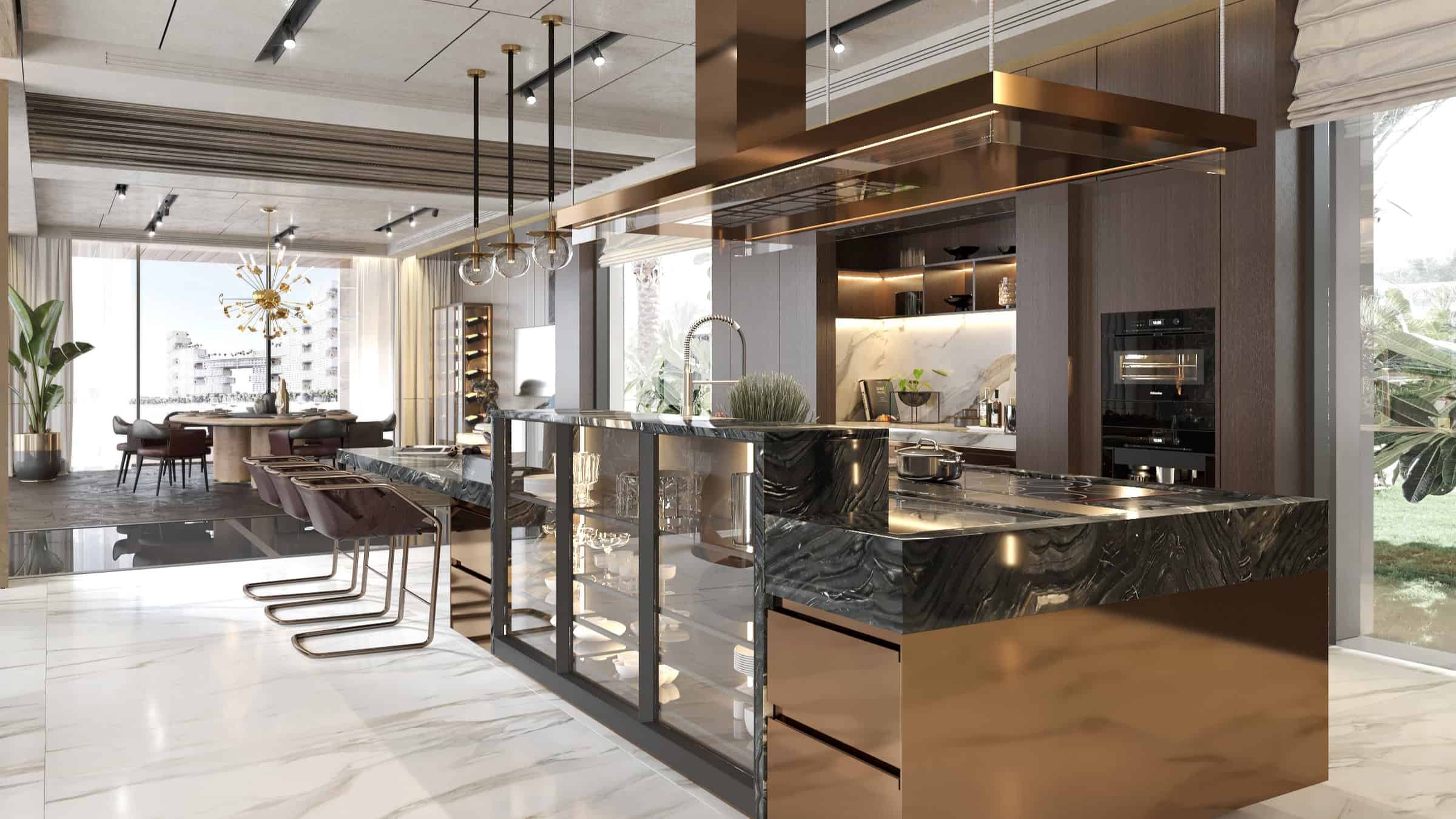
Glass encourages a cohesive and flowing design approach on the inside. Glass homes are ideal for open floor layouts, with materials and furnishings selected to minimize visual clutter. Glass’s cold smoothness is counterbalanced with textures like stone, wood, and matte metals, and layered lighting improves the ambiance at twilight and evening hours.
In terms of architecture, panoramic glazing also updates the exteriors of homes by producing an intense contrast between transparent and opaque surfaces. This feature has the potential to greatly increase the exterior appeal and home value in neighborhoods where design is important.
Key Challenges in Designing with Panoramic Windows
Although panoramic glazing is unquestionably beautiful and opulent, there are some drawbacks. The secret to success for both designers and homeowners is careful planning, which finds a balance between privacy with aesthetics and openness with efficiency in window facades. Here are the most common problems that arise when designing homes with glass walls, along with strategies to overcome them.
Energy Efficiency and Insulation Issues
Thermal performance is one of the most important issues with panoramic windows. Large glass surfaces have the potential to become weak spots in a building’s insulating envelope, unlike solid walls. This is particularly troublesome in areas with high temperatures, where summer heat gain and winter heat loss can significantly affect comfort and energy costs.
The solution is to select the appropriate glazing technology. The thermal insulation of double or triple-pane windows filled with inert gases (such as argon or krypton) is greatly enhanced. Low-emissivity (Low-E) coatings improve performance even more by reflecting infrared radiation, which keeps heat outside in the summer and inside during the winter.
Smart glass is another method of glass homes that is becoming more and more popular. Often referred to as switchable glazing, this advanced technology is capable of changing its color in reaction to sunlight, lowering heat accumulation and glare without compromising views. When combined with home automation systems, it provides an extra layer of convenience and energy control.
In addition to glass itself, insulated window shades, thermal breaks in window frames, and thoughtfully planned overhangs that provide shade during peak sun hours can all help to reinforce insulation. All of these decisions work together to guarantee that even modern houses with glass windows can reach or surpass energy performance standards.
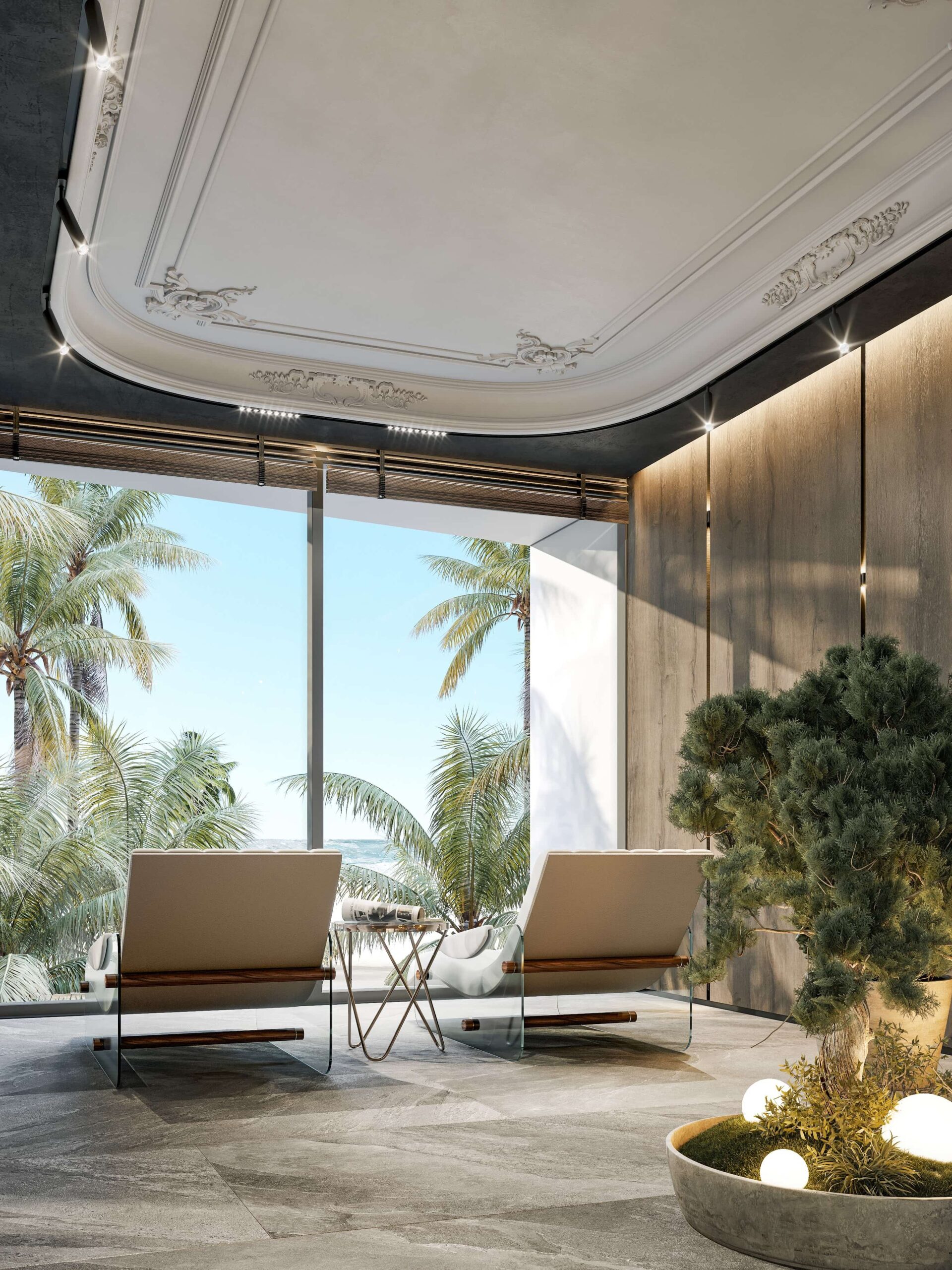
Privacy Solutions for Glass Homes
The concept of transparency has two sides. Although panoramic windows provide breathtaking views and a feeling of openness, they can also expose residents to unwelcome investigation, which is a sensitive topic in urban or suburban environments.
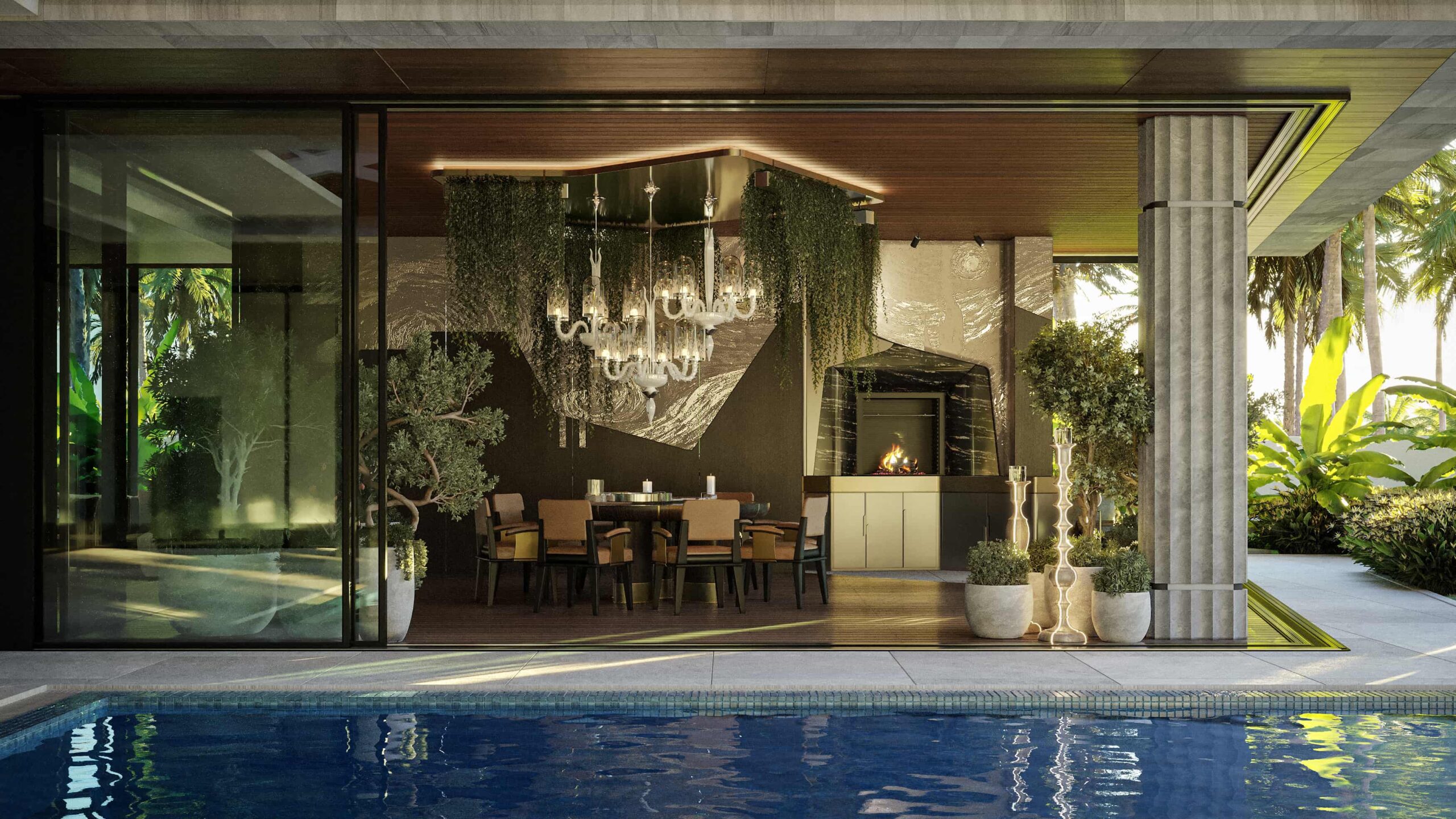
Fortunately, there are several privacy options that may be included in glass-walled homes without compromising design. A good way to protect the interior without blocking light is to use landscaping, which involves putting tall plants, hedges, or decorative screens outside the windows.
Motorized curtains and shades provide adjustable control within the residence. Translucent fabrics preserve brightness while maintaining personal space by filtering light and blurring views. For those seeking a high-tech option, smart films can be put on glazing surfaces, making them invisible with just a click of a button. This makes them perfect for windows facing the street, bathrooms, or bedrooms.
Another important factor is the architectural layout. While maintaining the advantages of transparency, strategically placing panoramic windows — for example, facing an inner courtyard or private garden — improves privacy organically.
These thoughtful design choices guarantee that glass homes provide comfort and connection while keeping a perfect balance between openness and privacy.
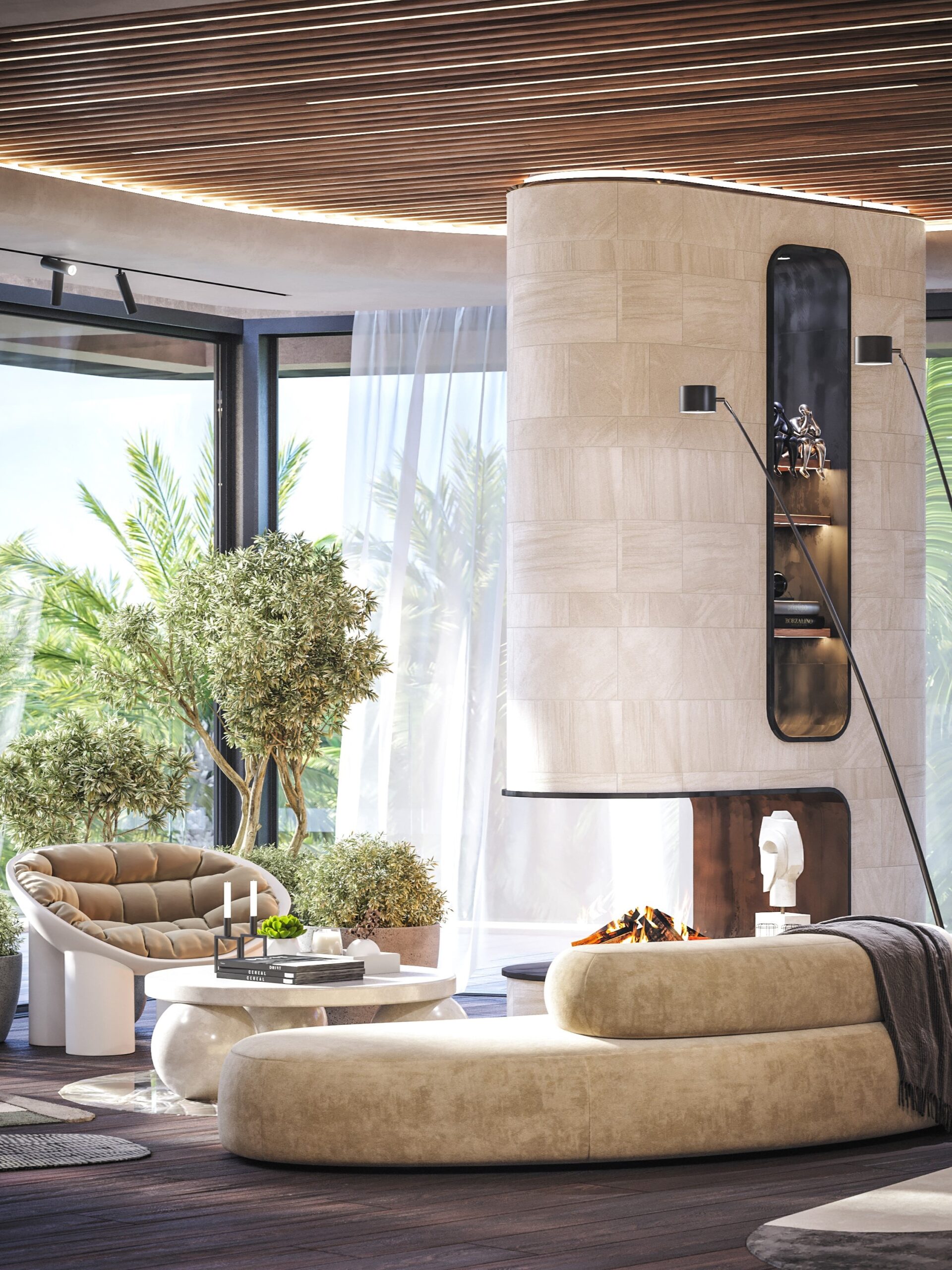
Design Tips for Modern Homes with Panoramic Windows
Careful interior design is necessary to maintain harmony between the glazing and the living area when incorporating panoramic windows into house plans. This goes beyond simply having good architecture. Any modern home with glass windows can benefit from the following design techniques, which can help you achieve the ideal balance of comfort, elegance, and functionality.
Integrating Panoramic Windows with Interior Design
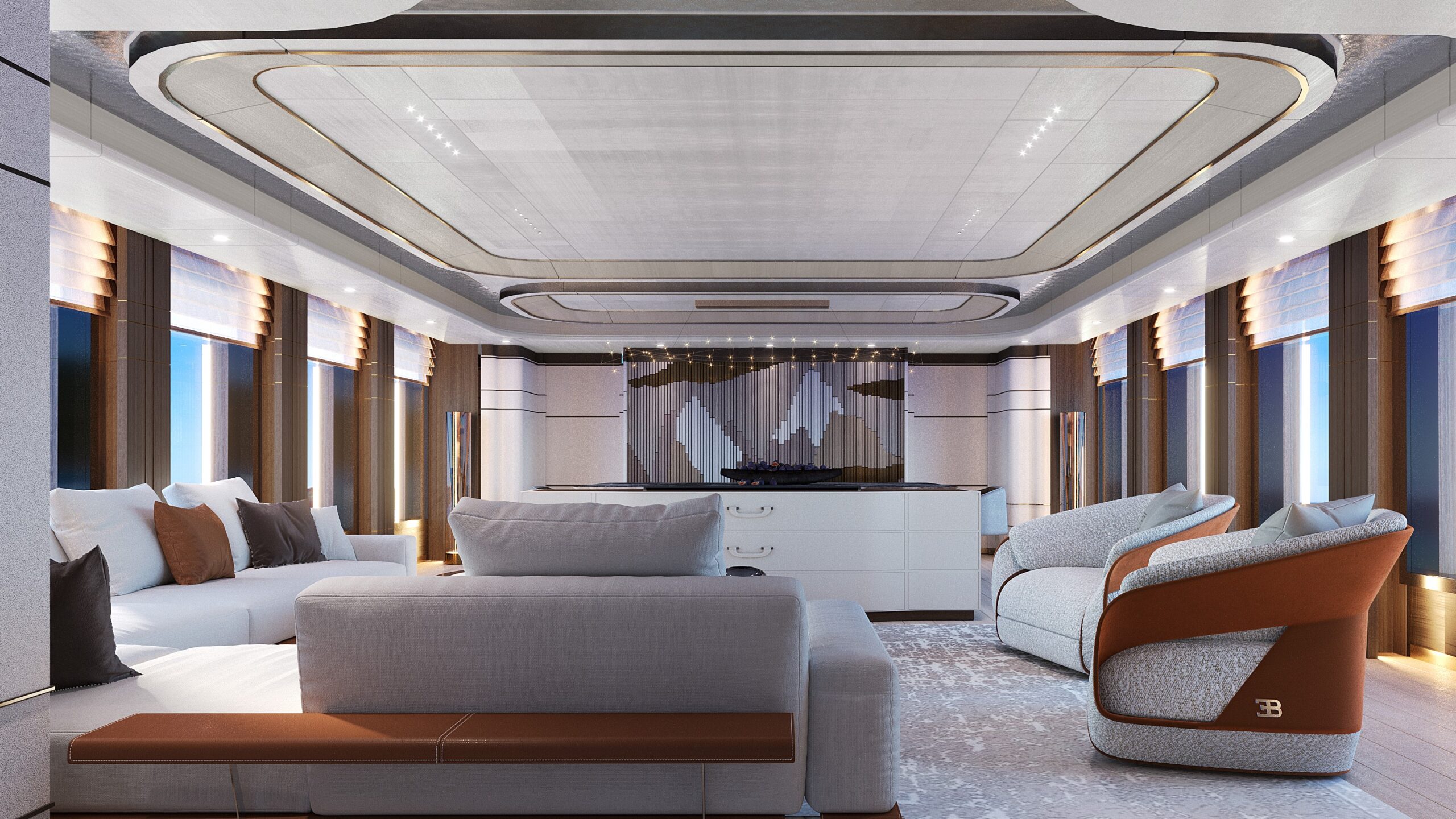
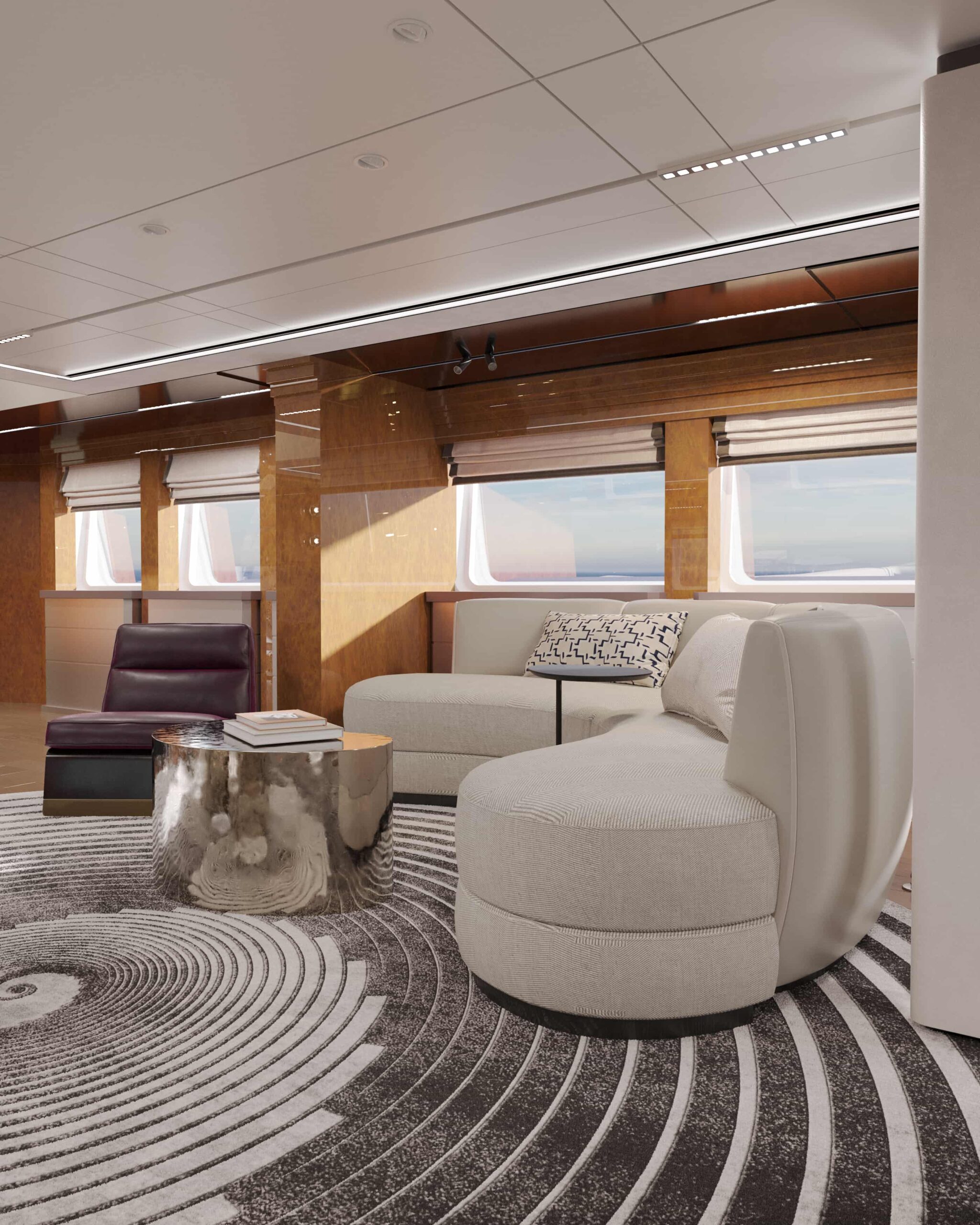
Panoramic glazing has a huge visual impact. Therefore, the modern house window design has to complement rather than overpower the view. The greatest aesthetic is one that is consistent and restrained. Natural textures like wood and stone, neutral color schemes, and minimalist furniture help the outdoor landscape take the stage.
The key is spatial planning. To enhance flow in open-concept houses, position furniture in relation to panoramic window lines. Avoid bulky furniture in front of windows, pick low-profile pieces that maximize natural light and preserve sightlines instead.
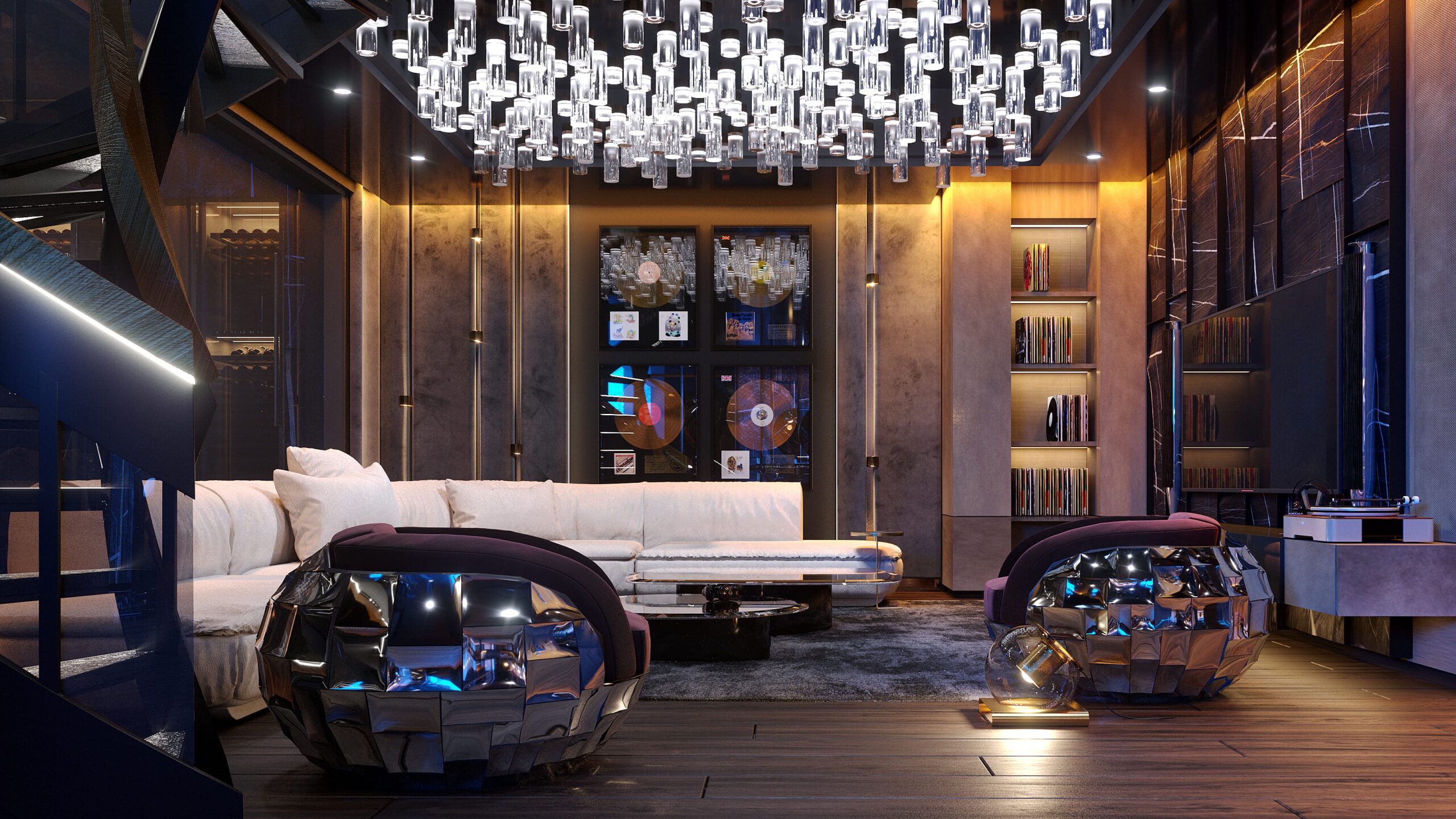
Layered lighting is crucial, particularly when the light changes over the day. Without interfering with the open, breezy atmosphere during the day, pendant lighting, floor lights, and recessed fixtures can provide depth and usefulness after sunset.
Use material repetition, such as echoing a wood window frame with exposed beams or flooring, to bring the entire design together. This method creates a subtle yet consistent rhythm throughout the house.
Choosing the Right Materials and Finishes
The choice of materials is crucial when designing a glass home. Surfaces should not only reflect the home’s aesthetics but also adapt to changing lighting conditions.
Big window houses benefit greatly from matte finishes since they reduce glare and give the space a soft, elegant appearance. The coolness of glass is counterbalanced by the warmth and texture of natural materials like stone, wood, or linen.
Choose flooring materials that are resistant to fading in direct sunlight. UV-resistant engineered planks, natural stone, and treated hardwood are all great options. Additionally, rugs can give softness underfoot and assist in area definition.
Slim steel or aluminum profiles for window framing provide durability with little visual disruption, making them ideal for preserving a clean, modern look. Contrarily, timber frames add a cozier, more natural feel that is perfect for combining indoor and outdoor design elements. Homeowners can make sure that their interiors stay attractive and practical for many years, regardless of the season or location, by selecting finishes that react well to light and wear.
In addition to providing breathtaking views, panoramic windows transform our perception of home. They provide glass homes with a feeling of openness that is both modern and calming by letting in plenty of natural light and visually expanding the room.
However, balance is necessary to achieve comfort in a modern house with glass windows. Careful planning is required for material durability, privacy, and energy efficiency. These homes may be as functional as they are attractive with the correct glass, careful planning, and smart finishes.
In the end, a modern house with glass windows is about establishing a smooth transition between architecture, light, and daily life, not just about appearance. Panoramic windows will continue to be a symbol of bold, sophisticated design as homeowners seek more intriguing, sustainable spaces.