Architectural Solutions for Sustainable and Eco-Friendly Homes
The growing need for sustainable living has made environmentally friendly houses a priority in modern architecture. With rising energy costs and increasing environmental concerns, architects and homeowners seek solutions that make homes both sustainable and cost-effective. Eco-friendly designs now incorporate advanced technologies and materials that enhance energy efficiency while minimizing environmental impact.
Today’s eco-friendly housing integrates passive design strategies, renewable energy sources, and sustainable materials to create comfortable, efficient, and economically friendly houses. This shift not only benefits the environment but also improves home durability and reduces long-term costs.
This article explores architectural solutions that promote sustainable housing, demonstrating how thoughtful design can balance aesthetics, functionality, and environmental responsibility.
The Rise of Sustainable Architecture
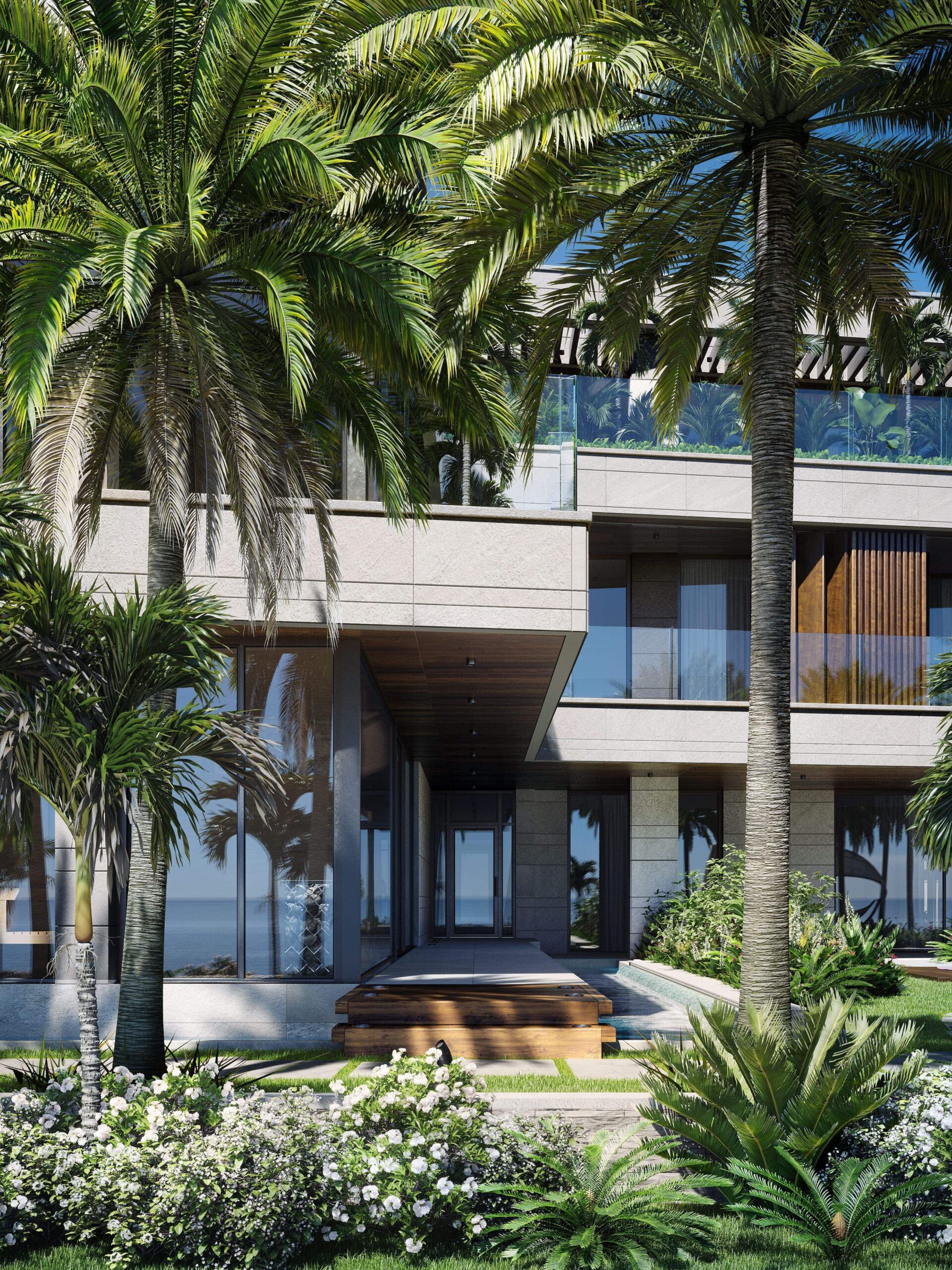
Sustainable architecture has become a fundamental approach in modern construction as the need to conserve resources grows. Traditional building methods consume excessive energy and materials, but eco-friendly housing projects aim to reduce waste and improve efficiency.
Key strategies in sustainable architecture include optimizing energy use, utilizing eco-friendly materials, and incorporating smart design features such as high-performance insulation and energy-efficient windows. Additionally, building environmentally friendly houses involves integrating solar panels, green roofs, and advanced water management systems.
Beyond environmental advantages, sustainable architecture also provides economic benefits. Energy-efficient technologies and smart automation reduce utility costs while increasing property value. As eco-conscious living continues to gain popularity, sustainable homes set the standard for the future of residential design.
Key Principles of Sustainable Design
Sustainable design is a holistic approach that integrates ecological, economic, and social factors to create buildings that are both functional and environmentally responsible. The fundamental sustainable design principles include:
- Passive design strategies — thoughtful design elements such as building orientation, natural ventilation, and daylight optimization can significantly reduce energy demand. South-facing windows, shading devices, and thermal mass materials help maintain indoor temperature balance throughout the year.
- Eco-friendly materials — using materials that are sustainably sourced, recycled, or energy-efficient reduces the ecological footprint of a building. Examples include reclaimed wood, bamboo, rammed earth, and recycled steel.
- Water efficiency — rainwater harvesting systems, greywater recycling, and drought-resistant landscaping help conserve water while maintaining a comfortable living environment.
- Renewable energy integration — solar panels, wind turbines, and geothermal heating systems provide homes with clean energy alternatives, reducing dependence on fossil fuels and lowering energy costs.
- Resilience and longevity — sustainable homes are built to last, incorporating materials and construction methods that enhance durability and require minimal maintenance over time.
These principles ensure that eco-friendly housing designs are not only energy-efficient but also adaptable and future-proof, making them a smart choice for modern eco-friendly houses.
Benefits of Sustainable Architecture for Homeowners
Eco-friendly housing offers numerous advantages beyond environmental conservation. Homeowners who invest in sustainable architecture enjoy such benefits of eco-friendly homes:
- Significant cost savings — energy-efficient houses consume less electricity, leading to reduced utility bills. Over time, the initial investment in green building features pays off through lower operational costs.
- Healthier living spaces — traditional construction materials can release harmful chemicals into indoor air. Sustainable homes prioritize non-toxic, natural materials that enhance indoor air quality, reducing the risk of respiratory issues and allergies.
- Higher market value — as demand for sustainable homes increases, properties built with green principles in mind tend to retain or even appreciate in value faster than conventional homes.
- Enhanced comfort and well-being — smart insulation, high-performance windows, and optimized ventilation systems contribute to a more comfortable indoor climate year-round.
- Reduced carbon footprint — by minimizing waste, using renewable energy, and conserving water, homeowners contribute to a more sustainable planet.
Eco-Friendly Building Materials and Techniques
Sustainable architecture relies on eco-friendly materials and innovative construction techniques to ensure energy efficiency, durability, and environmental responsibility. By selecting sustainable construction materials such as recycled wood, bamboo, and low-carbon concrete, architects and builders can significantly reduce the ecological footprint of new developments. Additionally, using locally sourced materials helps lower transportation emissions while maintaining structural integrity. These advancements make it easier to build an environmentally friendly house that meets modern sustainability standards while remaining cost-effective and energy-efficient.
Sustainable Building Materials for Homes
The selection of eco-friendly building materials plays a crucial role in the sustainability of a home. Choosing the right materials not only reduces environmental impact but also enhances energy efficiency and long-term durability. Some of the most effective materials used in sustainable home construction include:
- Recycled building materials — using reclaimed steel and recycled concrete reduces waste and the need for new resource extraction.
- Bamboo and FSC-certified wood — fast-growing bamboo is a sustainable alternative to traditional hardwood, while wood certified by the Forest Stewardship Council (FSC) ensures responsible forest management.
- Rammed earth and adobe — these traditional building materials provide excellent thermal insulation, reducing the need for artificial heating and cooling.
- Insulated concrete forms (ICFs) — these high-performance materials enhance energy efficiency while reducing construction waste.
- Green roofs and living walls — these features improve insulation, enhance biodiversity, and contribute to better air quality in urban areas.
Innovative Construction Techniques for Eco-Friendly Homes
New construction methods have revolutionized the building of environmentally friendly houses. Some of the most impactful innovative construction techniques include:
- Passive house design — a building standard that focuses on airtight construction, superior insulation, and high-efficiency ventilation to drastically reduce energy consumption.
- 3D-printed homes — cutting-edge 3D printing technology enables faster construction, minimal material waste, and cost-effective sustainable housing
- Modular and prefabricated construction — prefabricated homes reduce on-site waste and streamline the building process while maintaining high levels of energy efficiency.
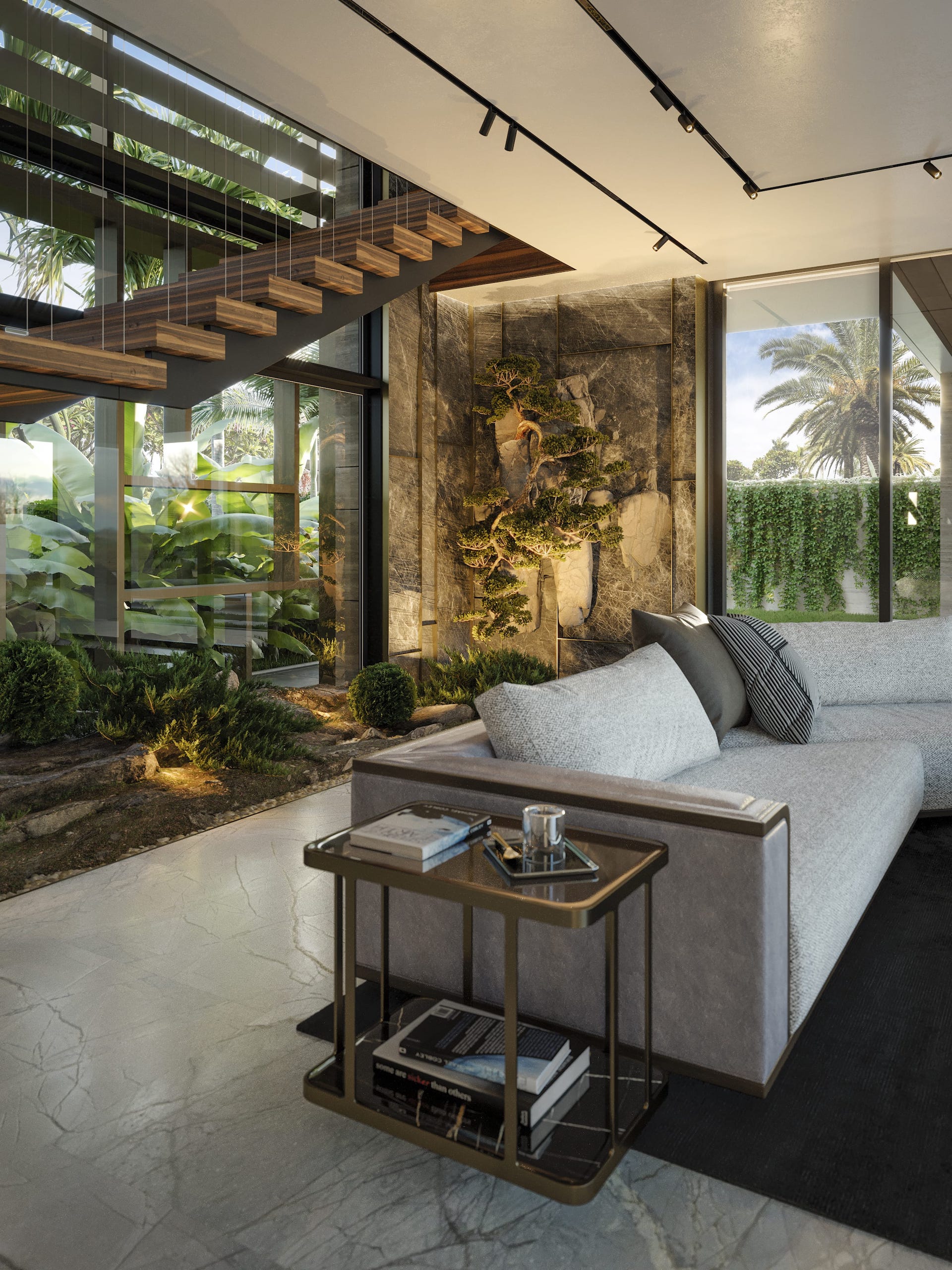
- Biophilic design — integrating nature into architectural spaces through features like large windows, indoor gardens, and natural materials enhances occupant well-being and sustainability.
Energy Efficiency in Eco-Friendly Homes
Energy efficiency is one of the primary goals of energy-efficient houses, enabling homeowners to minimize both their environmental footprint and utility costs. In this section, we will explore how modern technologies are integrated into eco-friendly home designs, providing innovative solutions that reduce energy consumption while maintaining comfort. We will also look at examples of sustainable houses, demonstrating how these principles can be applied to real-world designs.
Renewable Energy Solutions for Homes
Incorporating renewable energy sources into home design is a game-changer in sustainable living. Key renewable energy solutions include:
- Solar power — photovoltaic panels convert sunlight into electricity, making solar-powered homes self-sufficient in energy production.
- Wind energy — small wind turbines can supplement home energy needs, particularly in regions with consistent wind patterns.
- Geothermal heating and cooling — this system utilizes underground heat to provide energy-efficient climate control.
- Hydropower for residential use — small-scale hydropower generators can provide eco-friendly energy solutions for homes located near running water sources.
Smart Home Technologies for Sustainability
Smart home technology enhances sustainability by optimizing energy consumption and resource use. Some of the most effective technologies include:
- Energy-efficient home automation — smart thermostats, motion-sensing lighting, and automated shading systems help reduce energy waste.
- Advanced insulation and ventilation — proper insulation and air exchange systems ensure consistent indoor temperature control with minimal energy input.
- Water management systems — smart irrigation, rainwater collection, and water-efficient appliances help conserve water without sacrificing convenience.
- Battery storage solutions — storing excess renewable energy in eco-friendly home battery systems increases self-sufficiency and reduces dependence on the power grid.

Designing Eco-Friendly Homes for the Future
Sustainable housing is constantly evolving, with emerging trends shaping the future of green living. Architects and designers are actively working on innovative solutions to create eco-friendly housing designs that will meet the needs of future generations. In this section, we will explore how new ideas in design are driving the process of building sustainable homes and creating modern eco-friendly houses that combine functionality, sustainability, and comfort.
Future Trends in Sustainable Housing
Some of the most exciting developments in eco-friendly housing include:
- Zero-energy homes — houses designed to generate as much energy as they consume through renewable technologies, a key component of future sustainable housing trends.
- Circular economy in construction — recycling and repurposing materials to minimize waste and extend building lifespans, a significant shift in sustainable architecture.
- Self-sustaining communities — entire neighborhoods designed with integrated renewable energy, shared water resources, and eco-friendly infrastructure, setting the foundation for a more sustainable future.
- Smart grid integration — homes connected to intelligent energy networks that optimize power distribution and efficiency, supporting the transition to future sustainable housing trends.
- Eco-villages and co-housing models — sustainable living communities designed to reduce environmental impact while fostering a sense of shared responsibility, aligning with the principles of sustainable architecture.
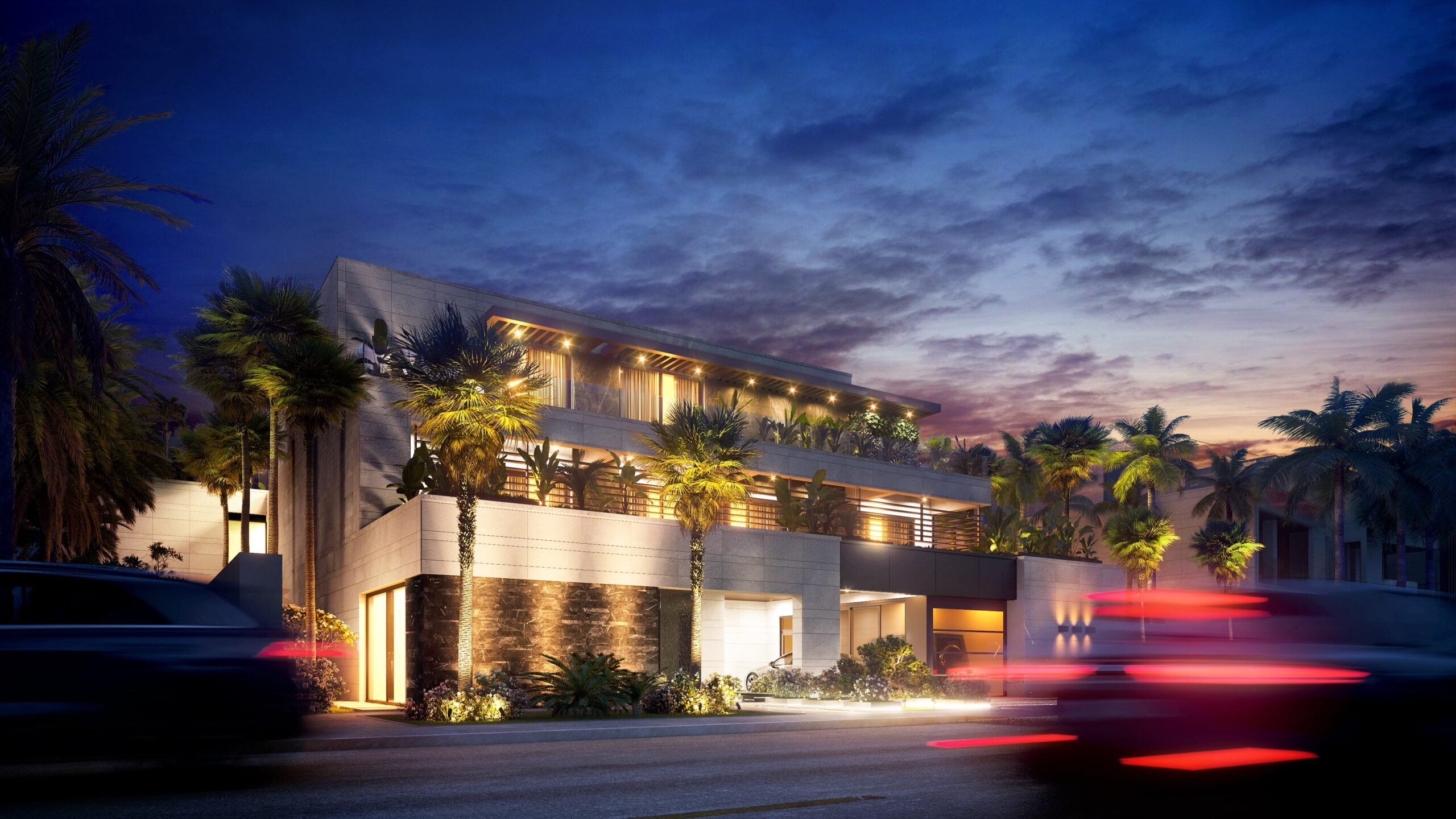
Sustainable architecture represents the future of homebuilding, offering a viable path toward energy efficiency, economic savings, and environmental responsibility. By building environmentally friendly house, incorporating eco-friendly housing projects, renewable energy solutions, and innovative materials, modern homes can achieve both high performance and minimal impact on the planet. Investing in sustainable housing is more than a trend — it is a necessity for creating a resilient and thriving future.