Art Deco Interior Design Style
Art Deco interior design creates the perfect blend of luxury and modern style, turning ordinary spaces into elegant and sophisticated rooms. Born in the 1920s in France and quickly spreading worldwide, this influential design approach continues to inspire homeowners and designers who want elegance with bold visual impact. This article will explore the beauty of Art Deco design, which lies in its geometric patterns, rich materials, and glamour that transform any room into something extraordinary.
Understanding the design of Art Deco interiors opens doors to creating interiors that feel both classic and surprisingly fresh. Unlike purely practical design approaches, this style perfectly balances beautiful form with eye-catching details, giving modern homeowners a design framework that values craftsmanship while making bold aesthetic statements. The secret lies in understanding how geometric precision, luxury materials, and sophisticated color combinations work together to create spaces with unmistakable personality.
Origins of Art Deco Interior Design
The birth of Art Deco in design began in post-war France, where society eagerly welcomed something completely different from the heavily decorated, nature-inspired designs of earlier periods. This movement represented more than just changing decoration. It showed a shared desire to celebrate human progress, technological advancement, and the promise of a modern future that seemed within reach for the first time.
By the mid-1920s, Art Deco style interior design had captured attention across Europe and the United States, becoming the visual language of an entire generation. Art Deco design style didn’t just influence how people decorated their homes. It shaped how they thought about luxury, sophistication, and what it meant to live in the modern world.
The Historical and Cultural Foundations
The development of interior design Art Deco style drew inspiration from diverse cultural sources that shaped its distinctive character. Ancient Egyptian art, discovered through exciting archaeological expeditions, provided exotic patterns and motifs that felt both timeless and refreshingly different from European traditions. These influences weren’t just surface decoration; they represented a broadening of design horizons that reflected the increasingly connected world of the early 20th century.
African art contributed another crucial influence with its bold geometric patterns and powerful visual contrasts that became defining features of the style. These cultural influences, combined with the impact of industrialization to create something entirely new. The industrial revolution’s advances cannot be overlooked in understanding this Art Deco design style philosophy’s development.
Rise of Art Deco in Global Interior Design
The worldwide spread of Art Deco interior design style wasn’t accidental. It was helped by improved global communication, international exhibitions, and a shared cultural moment that crossed national boundaries. The famous 1925 Exposition Internationale des Arts Décoratifs et Industriels Modernes in Paris served as a launching platform, but the style’s real success came from its ability to adapt to different cultural contexts while maintaining its essential character.
In the United States, Art Deco design style found particular success during the Jazz Age, when American confidence was at its peak and new wealth needed an appropriate expression. The style’s emphasis on vertical lines and dramatic height perfectly matched the skyscraper boom happening in cities like New York and Chicago, while its celebration of luxury and glamour matched the era’s optimistic spirit perfectly. American designers didn’t simply copy European ideas. They adapted and amplified them, creating distinctly American interpretations that emphasized boldness and grand scale.
Key Features of Art Deco Style Interior Design
The magic of Art Deco interior design approach lies in its distinctive visual language, which is a carefully planned combination of elements that creates spaces with unmistakable sophistication and character. Understanding these key features is essential for anyone hoping to successfully use this style, whether in a complete room makeover or through selective accent pieces that capture the essence without overwhelming existing decoration.
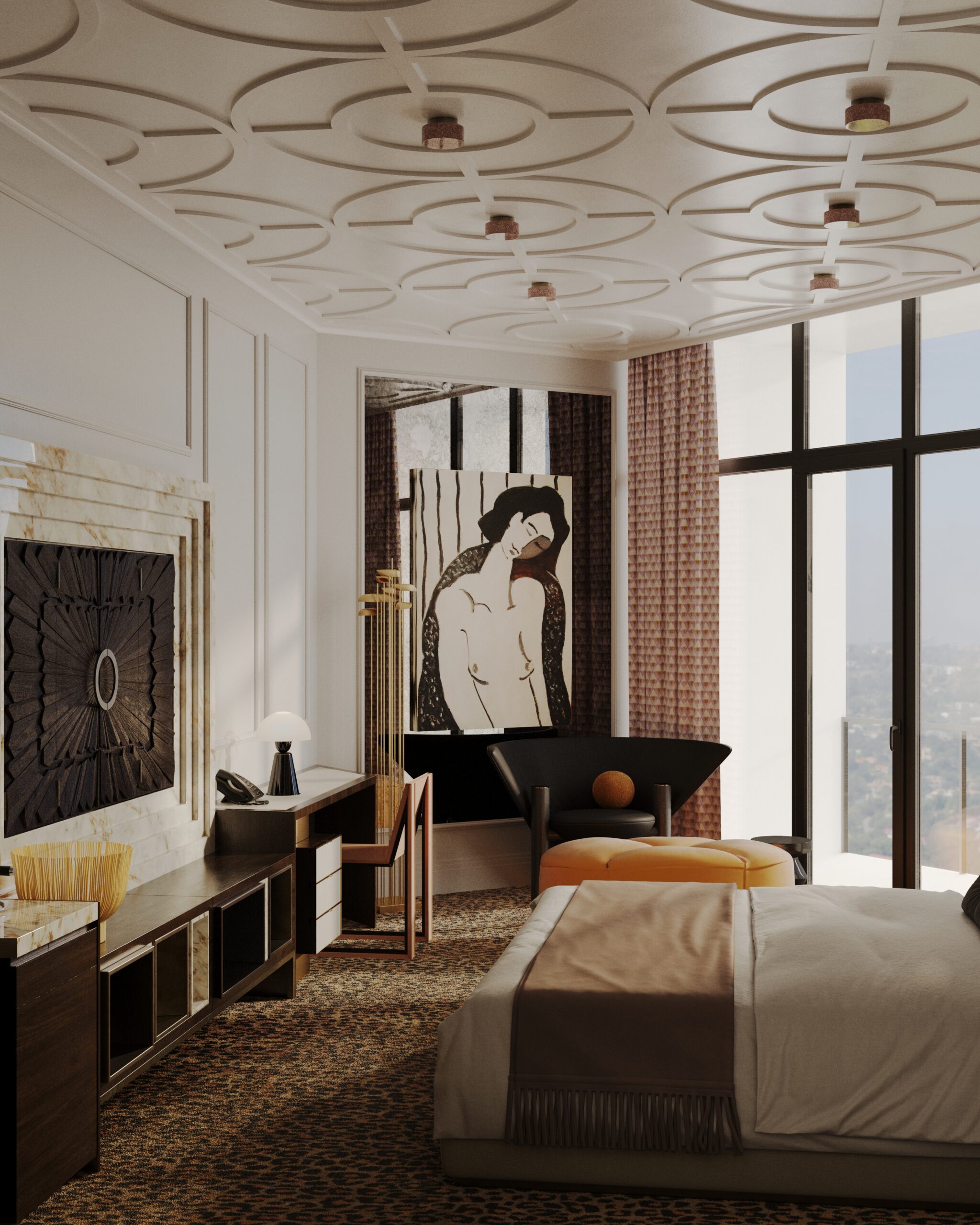
Geometry serves as the foundation, but not in a cold, mechanical way one might expect. Instead, Art Deco geometry feels alive and dynamic, with patterns that seem to pulse with energy and movement. These aren’t random arrangements but carefully constructed compositions that create visual rhythm and flow throughout a space. The geometry ranges from simple linear patterns to complex sunburst motifs, each chosen to enhance the room’s overall impact and character.
Symmetry provides the underlying structure that makes these bold geometric patterns feel harmonious rather than chaotic or overwhelming. This isn’t the rigid symmetry of classical design, but a more flexible approach that creates balance while allowing for variation and visual interest. A typical room might feature perfectly balanced furniture arrangements accented by asymmetrical decorative elements that add excitement without destroying the overall sense of order and calm.
Materials and Color Schemes
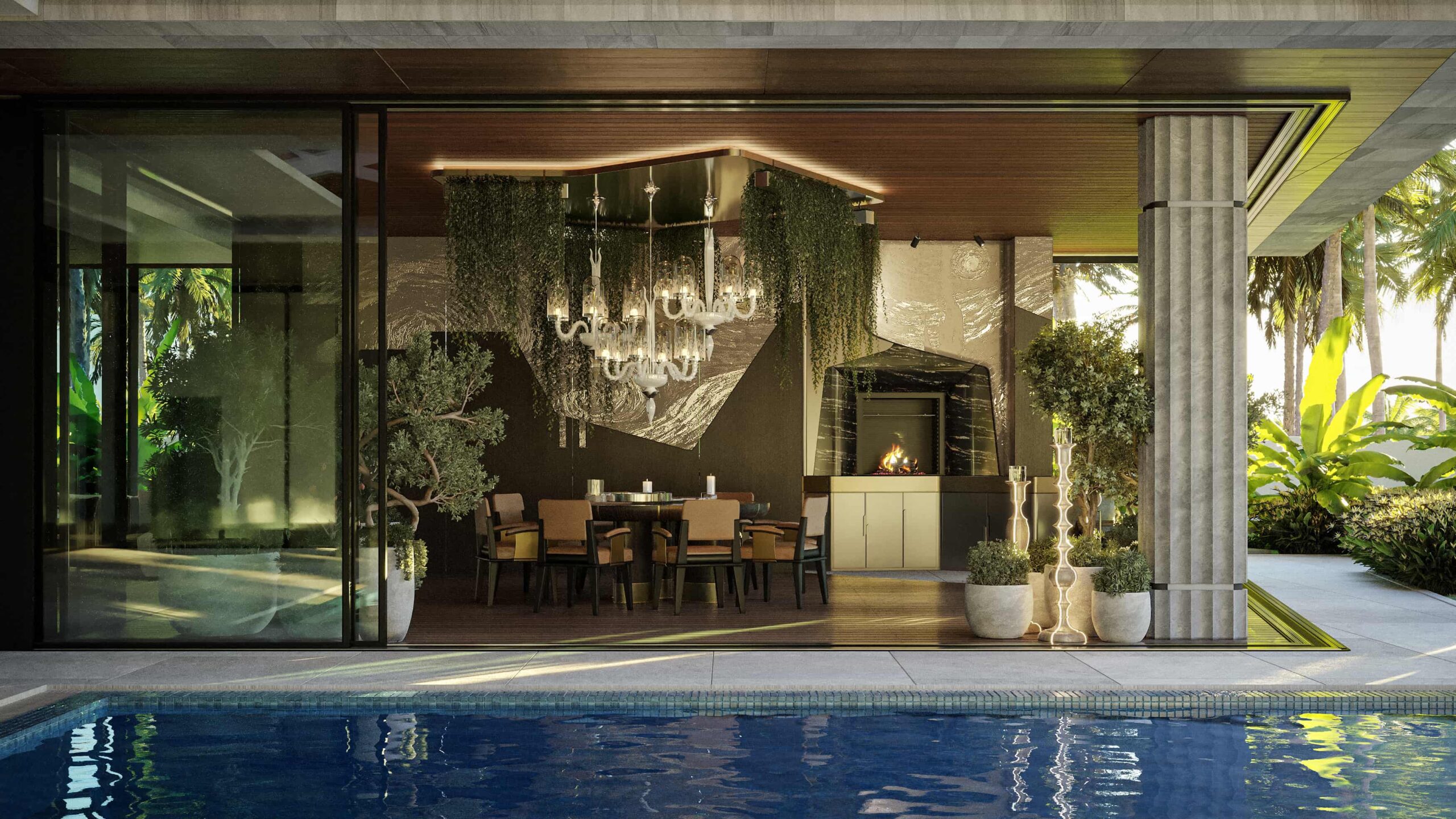
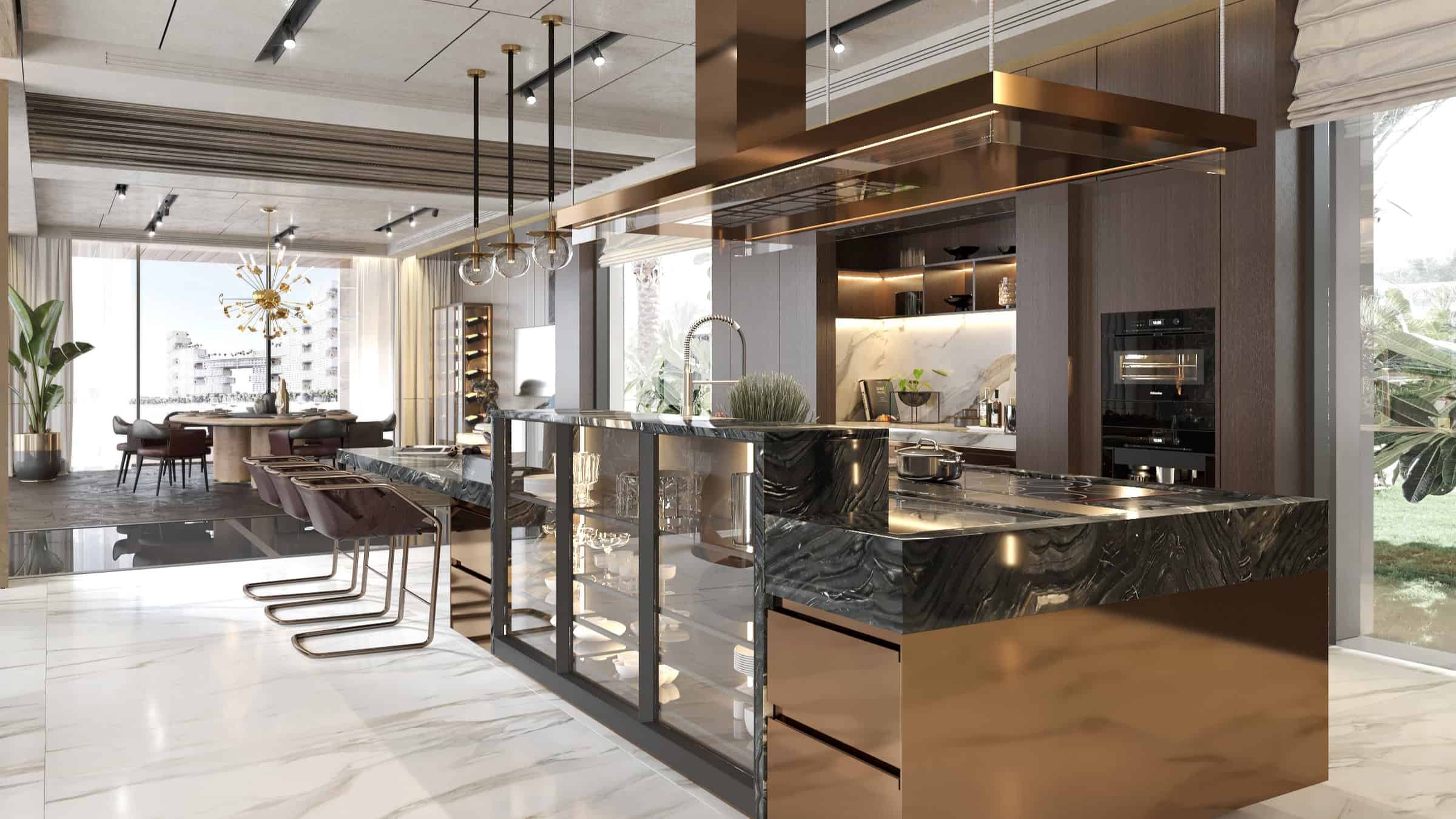
The material palette represents a fascinating blend of traditional luxury materials and innovative industrial products that were becoming available for the first time. Chrome became a signature element, not just for its sleek appearance but because it represented the triumph of modern manufacturing over traditional limitations. When polished to perfection, chrome creates mirror-like surfaces that multiply light and space while adding an unmistakably modern edge to any room.
Glass takes on special importance in Art Deco interior design style, appearing in forms ranging from simple geometric panels to elaborate etched designs that filter light in beautiful and unexpected ways. The transparency of glass allows it to contribute to a room’s overall look without overwhelming other elements, while its reflective properties help create the sense of glamour that’s so central to the style’s appeal.
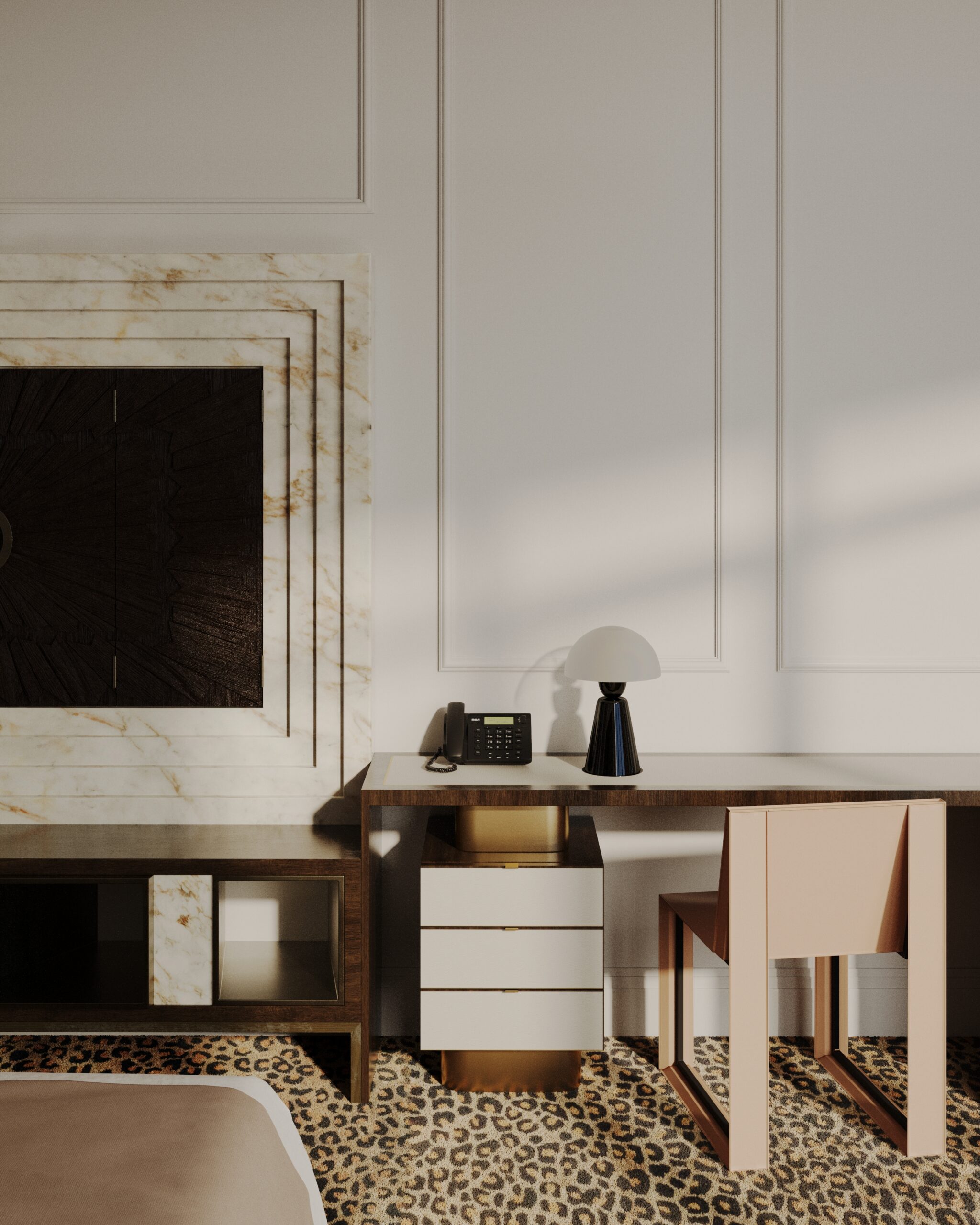
Natural materials aren’t abandoned in favor of industrial ones; instead, they’re chosen for maximum visual impact and beauty. Exotic woods like ebony and macassar create dramatic contrasts and rich textures, while marble provides both luxury and the geometric patterns that Art Deco designers prized so highly.
The color palette tends toward high contrast combinations that create drama without feeling overwhelming or garish. Black and gold remain classic choices that never go out of style, but deep blues, rich burgundies, and forest greens offer sophisticated alternatives that work beautifully in modern homes. The key is choosing colors that feel substantial and purposeful rather than merely decorative or trendy.
Furniture and Decorative Elements
Art Deco furniture represents a complete departure from the heavily decorated pieces that dominated earlier periods in design history. Instead of adding decoration as an afterthought or surface treatment, these pieces integrate ornamental elements into their fundamental structure and form. For example, a typical Art Deco chair doesn’t just have geometric patterns applied to its surface; the patterns are created by the way different materials are combined and the way the piece is actually constructed.
The emphasis on clean lines doesn’t mean these pieces lack personality or visual interest. Instead, their character comes from proportion, careful material choices, and subtle details that reward closer inspection and appreciation. A simple side table might feature beautiful inlaid wood patterns, polished chrome accents, or an unusual geometric base that makes it a focal point rather than just functional furniture.
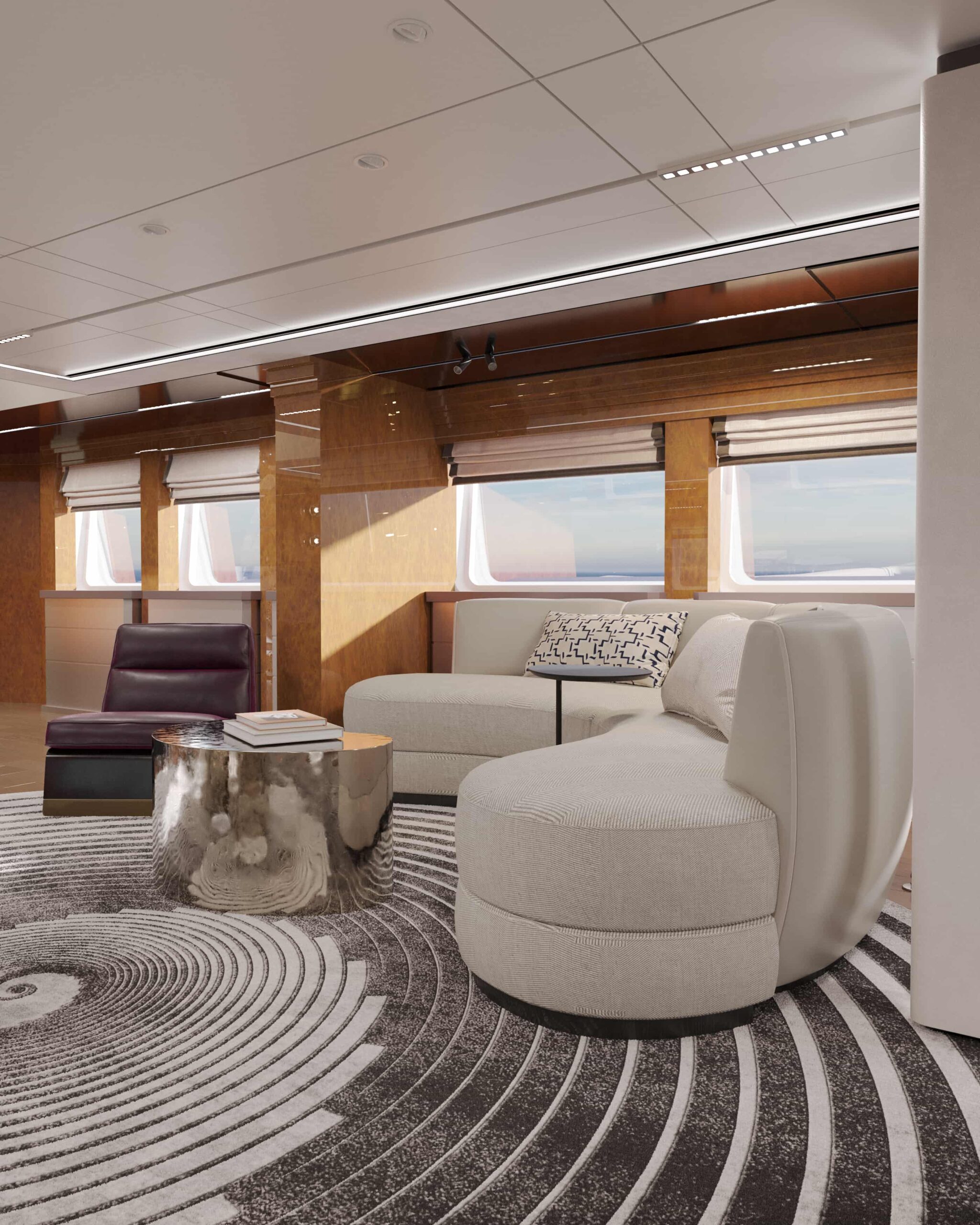
Upholstery fabrics in Art Deco design interiors tend toward rich textures and bold patterns that complement rather than compete with furniture forms and shapes. Velvet, silk, and leather provide the luxury feel that’s so important to the style’s overall impact, while geometric patterns, stylized florals, and abstract designs offer visual interest that supports the room’s overall aesthetic goals.
Decorative objects in Art Deco interior design style serve multiple purposes. They’re beautiful in their own right while contributing to the room’s overall composition and visual story. Bronze sculptures, whether representational or abstract, add weight and substance that balances lighter elements and creates visual anchors throughout the space. These pieces often incorporate human or animal forms that are stylized in ways that emphasize movement, energy, and the dynamic spirit of the modern age.
How to Implement Art Deco Interior Design in Your Home
Creating an authentic Art Deco interior design style requires more than simply purchasing furniture with geometric patterns. It demands understanding how different elements work together to create the sophisticated, glamorous atmosphere that defines and characterizes the style. The most successful Art Deco interior design style ideas start with a clear vision of how the space should feel rather than working from a simple checklist of required elements or must-have pieces.
The foundation of any successful Art Deco room lies in its color scheme and overall mood. This isn’t about copying historical examples exactly, but about capturing the spirit of confidence and sophistication that made the original style so compelling and enduring. Modern homeowners have advantages that 1920s designers couldn’t have imagined — better lighting options, more durable materials, and manufacturing techniques that make previously expensive elements much more accessible to average budgets.
Balancing Elegance with Functionality
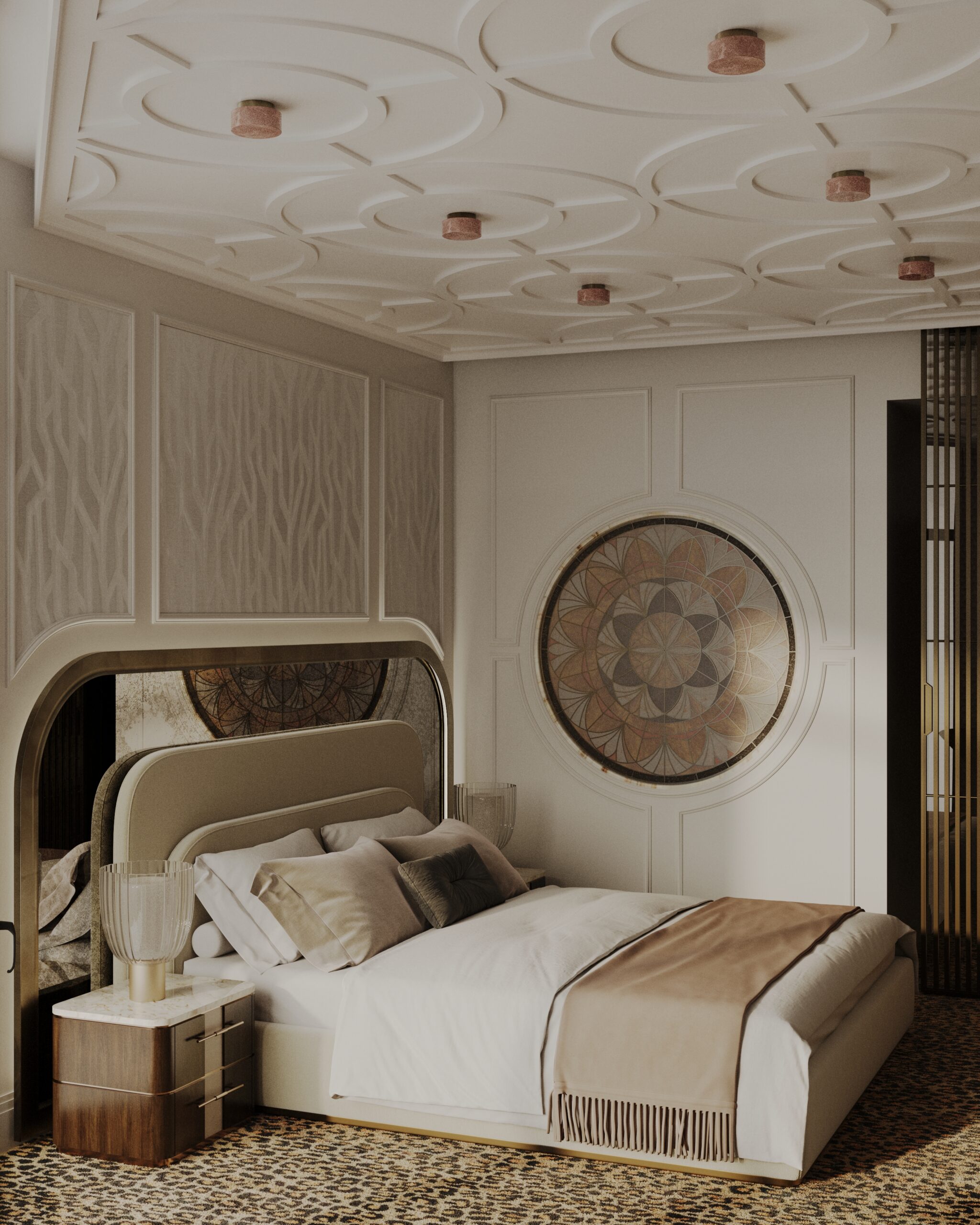
Modern life demands more from our interiors than pure visual appeal, and successful design of interior Art Deco acknowledges this reality while maintaining the style’s essential character and sophisticated atmosphere. The challenge lies in choosing pieces that honor Art Deco style interior design principles while meeting contemporary needs for comfort, practical storage, and lifestyle flexibility that today’s families require.
Contemporary furniture makers have solved many of the practical issues that might have made original Art Deco pieces less suitable for everyday family use. Modern versions of classic designs often incorporate improved comfort features, more durable materials, and practical elements like built-in storage without compromising the aesthetic integrity that makes the style so appealing in the first place.
Technology integration requires careful consideration in Art Deco spaces, as modern electronics and entertainment systems can easily disrupt the carefully planned visual harmony that’s so important to the style’s success. The solution often lies in choosing equipment with clean, geometric lines that complement rather than clash with the overall aesthetic, or in designing custom storage solutions that keep technology present and accessible but not visually prominent or distracting.
Combining Art Deco with Contemporary Elements
The most successful contemporary applications of Art Deco design style don’t exist in complete isolation. They’re thoughtfully integrated with other design elements to create spaces that feel both historically informed and completely current and relevant. This hybrid approach allows homeowners to enjoy Art Deco interior design style with distinctive character and visual appeal while maintaining the flexibility to incorporate personal preferences, family needs, and practical contemporary requirements.
For instance, minimalist elements can provide excellent visual counterpoints to Art Deco’s natural tendency toward rich visual complexity and ornamental detail. Clean, simple backgrounds and uncluttered surfaces allow geometric patterns and luxury materials to truly shine without creating overwhelming visual noise or competition that can make spaces feel chaotic rather than sophisticated.
Art Deco interior design style continues to inspire and captivate because it represents something timeless about human nature — our desire to surround ourselves with beauty, sophistication, and objects that reflect our highest aspirations and dreams. Nearly a century after its initial emergence during the exciting 1920s, Art Deco style in interior design philosophy remains remarkably relevant and fresh, offering modern homeowners a proven way to create spaces that feel both historically grounded and completely contemporary. Art Deco interior design provides a strong framework for creating interiors with genuine personality and lasting visual appeal that will remain beautiful and relevant for many years to come.