In traditional residential projects, artwork is often an afterthought. The finishes are complete, the furniture is arranged, and only then is a canvas sourced for a blank wall. But for a dedicated art collector in the UAE, this dynamic is entirely reversed. A specific painting might dictate a wall’s scale, a sculpture can shape a hallway’s footprint, and a massive installation often sets the ceiling heights and spatial flow of a luxury villa.
Therefore, tailoring architecture to a collection goes far beyond simply hanging paintings. It is a highly nuanced approach where art integration serves as a foundational element of the residential interior design, equal in importance to the architectural layout or the landscape. The paradox here is simple: the more profound the artwork, the quieter the architecture must be.

Masterpieces as the Centerpiece
Clients investing in a premium interior in Dubai or Abu Dhabi often want spaces filled with captivating details. This reveals the core distinction between decoration and collecting. Decor fixes compositional gaps — adding color or filling a void. Conversely, significant art objects demand your full focus. They draw you in, encourage you to step back, and reveal fresh nuances over time.
This mirrors the gallery experience, which is why benches sit before masterpieces. True appreciation takes time. Consequently, an exceptional luxury interior doesn’t need to overwhelm the senses with endless expensive finishes. It simply needs to provide a compelling focal point that naturally holds the gaze.

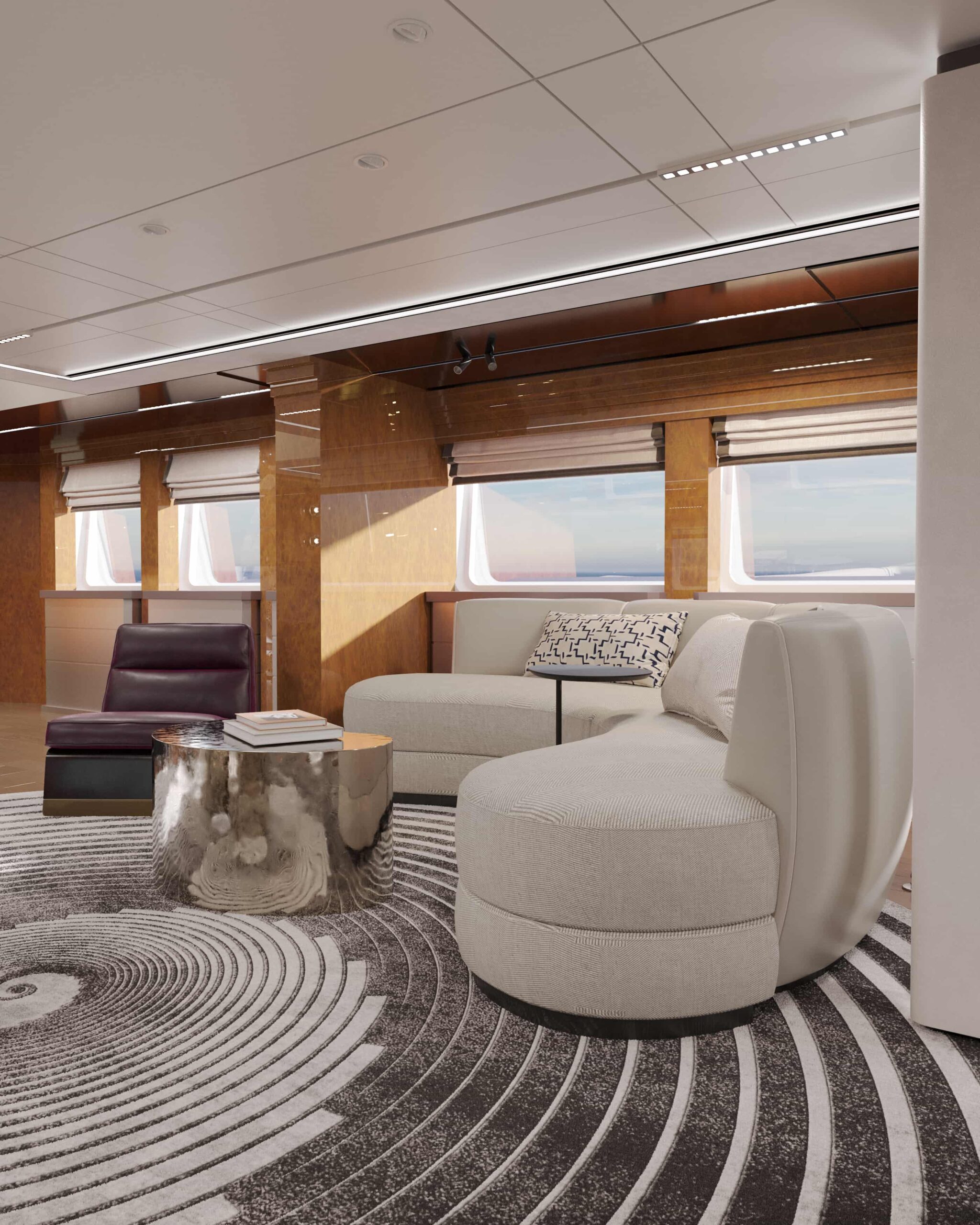
Building a Concept from the Ground Up: The Collectible Rug
While developing a Mediterranean duplex in Europe, our team struggled to find the initial concept. A visit to a boutique specializing in rare carpets changed our trajectory. The dealer, who sources for elite clients, noted that if a rug is extraordinary enough, the premium interior design must grow outward from it.
We readily accept this logic for canvases or bronzes, but a rug? In reality, yes.
An art object isn’t defined by its placement on a pedestal or a wall. Whether in a European estate or a modern Dubai penthouse, exceptional collectible furniture, unique ceramics, or a bespoke tapestry carry enough artistic weight to anchor an entire space. Thoughtful interior design for collectors isn’t about packing a home with high-end goods; it’s about choosing which pieces earn the leading role.
The Power of Restraint and Visual Hierarchy
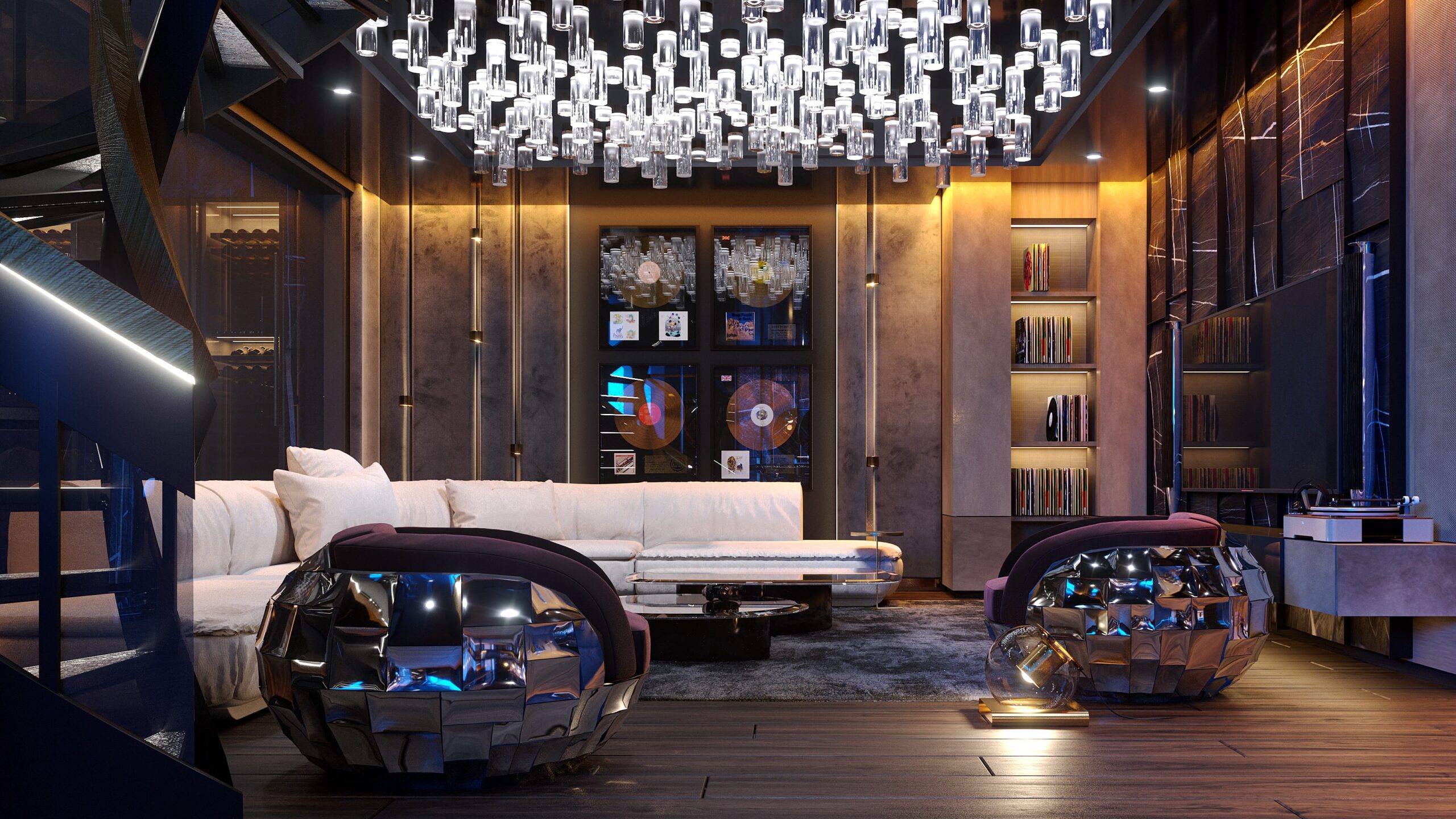
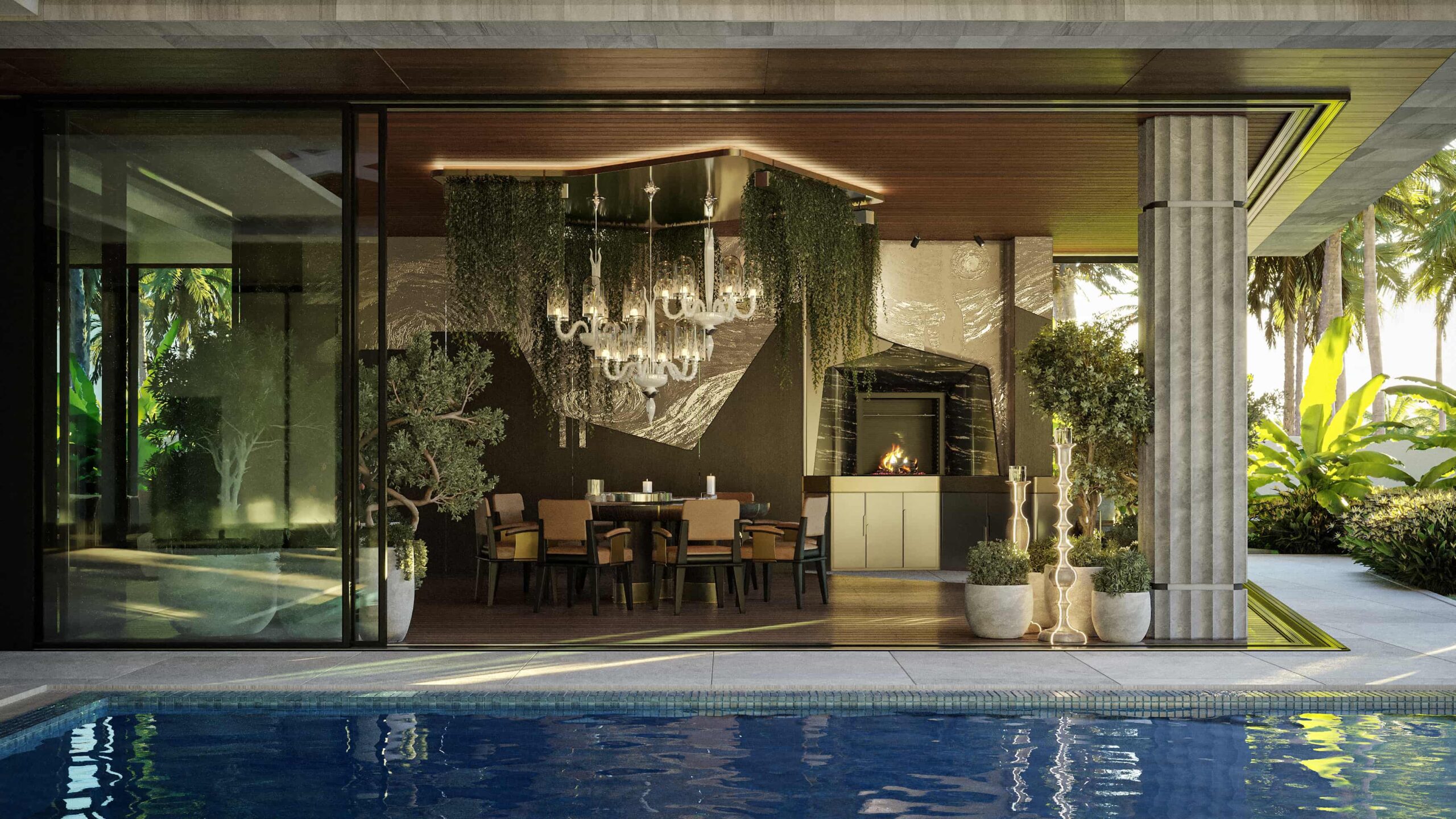
There is a familiar trap when designing for art collections in the UAE’s luxury real estate market. Striking marble veins, elaborate ceilings, and statement lighting may look stunning individually, but together, they begin to compete with the art. When every surface screams for attention, paintings and sculptures fade into the noisy background. Rather than celebrating the collection, this visual clutter induces fatigue.
For our team, a successful luxury interior relies heavily on visual hierarchy. We must recognize when the architecture should be bold and when it must step back, creating the right conditions for seamless art integration.

Curating Perception: Angles, Backgrounds, and Zero Competition
Providing a blank wall is just the bare minimum. We must actively engineer the viewing conditions. When positioning artworks, we map out the exact angle of first discovery, track how shadows shift from dawn to dusk, and analyze how the silhouette transforms as people walk past. Deciding what to deliberately omit nearby is just as critical.
Even within the ultra-modern context of UAE architecture, a home housing a private collection doesn’t need to feel like a sterile white box. Rich textures like timber, metal, and stone work beautifully, provided they don’t compete. Highly veined marble can swallow the delicate lines of a sketch, just as busy decor diminishes a sculpture’s impact. The ideal backdrop isn’t necessarily neutral in color; it simply must be visually respectful.
The Structural Impact: Logistics and Spatial Planning
When the private collection is established during the strategic design phase, its physical demands shape the building. Oversized pieces dictate room elevations, while sculptures require specific clearance on staircases. Entire corridors may evolve into dedicated galleries. Furthermore, heavy installations necessitate reinforced framing and preemptive logistical planning. Architecture centered on art asks practical questions early, such as: how will this monumental piece actually navigate the entrance of the residence?
Beyond logistics, great artworks shouldn’t always be instantly visible. Choreographing the viewer’s movement turns the home into a curated journey. Entryways, stairwells, and transition zones are perfect for display because they lack the visual noise of living rooms, granting the viewer an uninterrupted moment with the masterpiece.

Lighting: Balancing Interpretation and Preservation
Effective art lighting goes beyond pointing a ceiling spot at a frame. Illumination dictates interpretation: it carves out a sculpture’s volume and highlights the impasto of an oil painting. At the same time, art preservation places strict limits on how light can be used. UV degradation is cumulative and permanent, meaning exposure limits are non-negotiable for textiles or photography, aligning with the strict guidelines of the Smithsonian Museum Conservation Institute.
In the UAE, where floor-to-ceiling windows often frame the Arabian Gulf or the city skyline, managing the intense sunlight is paramount. We must balance gallery-grade conservation protocols with architectural atmosphere. Natural light sweeps through, but solar orientation, UV filtering, and shading must be strictly controlled. Not every sun-drenched wall is a safe home for an exclusive private collection.
Tailoring the Architecture to Specific Mediums
Collections are diverse, demanding varied approaches. Photography and paintings require specific viewing setbacks and glare reduction. Sculptures are three-dimensional entities, meaning floor finishes and ceiling heights must be meticulously calibrated. Collectible design items often dictate the room’s overarching color scheme. Meanwhile, massive contemporary installations directly intertwine with the home’s infrastructure, requiring hidden wiring and structural support.
Invisible Engineering in a Challenging Climate
Elite collections are dynamic. Owners lend pieces, acquire new ones, and rotate displays. Therefore, residential design must embrace flexibility with adaptable art lighting and secure on-site storage.
Just as crucial is the unseen technology. The Middle Eastern climate makes invisible engineering particularly important. Precision climate control for art, humidity management to combat coastal moisture, and discreet air filtration to block desert dust are vital to meet professional conservation standards. This infrastructure must operate discreetly in the background, safeguarding the assets without disrupting the elegance of the premium interior.

A Home First: Avoiding the Museum Trap
While preservation is paramount, turning a home into a clinical museum destroys the essence of residential living. A collector’s estate is still a sanctuary. It requires plush seating, personal touches, and an inviting warmth. The ultimate privilege of a private collection is experiencing it daily — not on a guided tour, but catching a glimpse of a favored painting on a quiet morning, or noticing a subtle new detail while walking down the hall for the thousandth time.
Core Strategies for Integrating Art:
- Curation over Clutter: We prioritize fewer, high-impact art objects that truly define the space.
- Foundational Art: True art integration means a piece can inspire the layout and materials before furniture is even discussed.
- Visual Restraint: Supporting elements must always bow to the primary focal points.
- Orchestrated Angles: How and when a piece is revealed matters just as much as its location.
- Dual-Purpose Lighting: We blend atmospheric illumination with strict art preservation standards.
- Concealed Systems: Security and climate control for art remain hidden from sight while responding to the demands of the regional climate.
- Adaptability: The architecture anticipates and accommodates future acquisitions.
Ultimately, designing for collectors is fundamentally about editing. The goal isn’t to display every expensive finish on the market. It is about crafting a space that holds objects with enough gravitational pull to halt a passerby, wrapped in a profound architectural quietness that lets the art truly speak.